



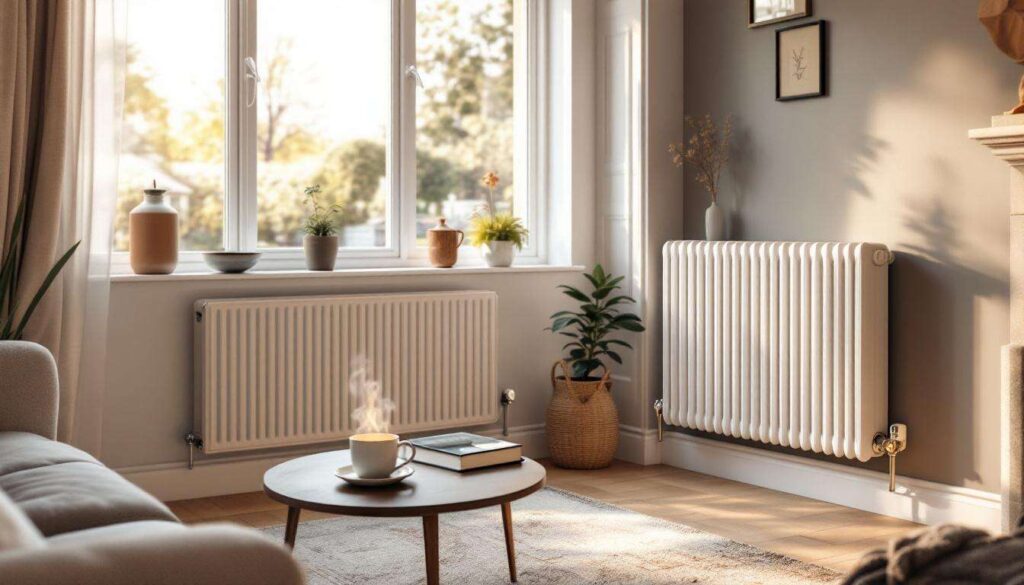
Rising energy costs have prompted homeowners across the United Kingdom to scrutinise every aspect of their heating systems. The debate between underfloor heating and traditional radiators has intensified as households seek the most economical solution for maintaining comfortable living spaces. Understanding the financial implications of each system requires examining not only running costs but also installation expenses, energy efficiency ratings, and long-term maintenance requirements. This analysis provides a comprehensive breakdown of both heating methods to help homeowners make informed decisions about their property’s heating infrastructure.
Cost comparison: underfloor heating and radiators
Running costs breakdown
The operational expenses of heating systems depend on several factors, including fuel type, insulation quality, and system efficiency. Underfloor heating typically operates at lower temperatures than radiators, requiring water heated to approximately 35-45°C compared to 65-75°C for conventional radiators. This temperature difference translates into measurable savings on energy bills.
| Heating System | Operating Temperature | Estimated Annual Cost (100m² home) |
|---|---|---|
| Underfloor heating | 35-45°C | £800-£1,100 |
| Radiators | 65-75°C | £950-£1,300 |
Factors affecting operational expenses
Several variables influence the actual costs homeowners experience with either system. The type of flooring significantly impacts underfloor heating efficiency, with stone and tile conducting heat more effectively than carpet or wood. Radiator costs fluctuate based on thermostat accuracy and the presence of thermostatic radiator valves that allow room-by-room temperature control.
- Property insulation standards
- Boiler efficiency ratings
- Thermostat programming capabilities
- Room usage patterns
- Local energy tariff rates
These cost considerations naturally lead to examining the specific benefits and drawbacks of underfloor heating systems.
The advantages and disadvantages of underfloor heating
Benefits of underfloor systems
Underfloor heating offers superior heat distribution throughout living spaces, eliminating cold spots commonly associated with radiators. The system provides radiant warmth that rises evenly from floor level, creating consistent comfort without the air circulation that stirs up dust and allergens. Aesthetically, removing bulky radiators frees valuable wall space for furniture placement and interior design flexibility.
- Enhanced thermal comfort with even heat distribution
- Reduced air movement minimising dust circulation
- Increased usable floor and wall space
- Compatible with renewable energy sources
- Silent operation without mechanical noise
Limitations and challenges
Despite its advantages, underfloor heating presents certain constraints. The system requires longer heat-up times, typically taking 2-3 hours to reach desired temperatures compared to radiators’ 30-45 minutes. This slower response makes it less suitable for properties with intermittent occupancy. The initial installation costs substantially exceed radiator expenses, particularly in existing properties requiring floor removal and reinstatement.
Repair accessibility poses another concern, as malfunctioning components necessitate lifting floor coverings, potentially causing significant disruption and expense. These practical considerations connect directly to broader questions of energy efficiency.
Energy efficiency: a key cost indicator
Comparative efficiency ratings
Energy efficiency determines long-term operational costs and environmental impact. Underfloor heating systems demonstrate 15-25% greater efficiency than conventional radiators when paired with modern condensing boilers. This advantage stems from lower operating temperatures that allow boilers to function in condensing mode more frequently, extracting maximum energy from fuel combustion.
Heat retention and distribution
The thermal mass of underfloor systems provides sustained warmth after heating cycles cease, reducing the frequency of boiler activation. Radiators, conversely, cool rapidly once the system shuts off, requiring more frequent heating cycles to maintain comfort levels. This difference becomes particularly significant in well-insulated properties where underfloor heating can maintain temperatures for extended periods.
| Efficiency Metric | Underfloor Heating | Radiators |
|---|---|---|
| System efficiency | 90-95% | 75-85% |
| Heat retention time | 3-4 hours | 30-60 minutes |
| Boiler cycling frequency | Lower | Higher |
Understanding efficiency naturally prompts questions about the financial commitment required for installation and ongoing maintenance.
Installation and maintenance: what are the cost differences ?
Initial installation expenses
The upfront investment for underfloor heating significantly exceeds radiator installation costs. A typical wet underfloor heating system for a 100m² property costs £6,000-£12,000, whilst radiator installation ranges from £2,500-£4,500. Electric underfloor heating presents a middle ground at £3,000-£7,000 but incurs higher running costs due to electricity prices.
- Wet underfloor heating: £60-£120 per m²
- Electric underfloor heating: £30-£70 per m²
- Radiator systems: £25-£45 per m²
- Additional costs for floor preparation and reinstatement
Ongoing maintenance requirements
Radiators require annual servicing including bleeding, valve checks, and occasional replacements. Individual radiators cost £100-£300 to replace, making repairs relatively straightforward and affordable. Underfloor heating systems demand less frequent maintenance but repairs prove more complex and expensive when issues arise. System flushing every 5-10 years costs £300-£500, whilst pipe repairs may require extensive floor excavation.
These financial considerations extend beyond immediate costs to influence property market valuations.
Impact on property value
Market perception and buyer preferences
Underfloor heating represents a premium feature that appeals to prospective buyers, particularly in new-build and renovation markets. Estate agents report that properties with underfloor heating often command 2-5% price premiums compared to similar homes with conventional radiators. This advantage proves most pronounced in luxury segments and contemporary developments where buyers expect modern amenities.
Return on investment considerations
The financial benefit depends on property type and location. In high-value markets, the installation cost may be recouped through increased sale prices, whilst in modest property segments, the investment rarely yields proportional returns. The energy efficiency credentials improve Energy Performance Certificate ratings, potentially making properties more attractive under increasingly stringent energy regulations.
These valuation factors inform decisions about which heating solution suits different property types.
Which solution for which type of home ?
New builds and major renovations
Properties undergoing substantial construction work present ideal opportunities for underfloor heating installation. The system integrates seamlessly during building phases without the disruption and additional costs associated with retrofitting. Open-plan layouts particularly benefit from underfloor heating’s even distribution, eliminating the challenge of positioning radiators in large, flowing spaces.
Existing properties and period homes
Conventional radiators remain the practical choice for most existing properties, especially those with solid floors or listed building restrictions. The installation simplicity and lower costs make radiators suitable for budget-conscious homeowners. Period properties often lack the insulation standards that maximise underfloor heating efficiency, diminishing potential savings.
- New builds: underfloor heating recommended
- Major renovations: underfloor heating cost-effective
- Existing properties: radiators typically more practical
- Period homes: radiators preserve architectural features
- Rental properties: radiators offer simpler maintenance
Hybrid approaches
Some homeowners opt for combination systems, installing underfloor heating in ground-floor living areas whilst maintaining radiators upstairs. This approach balances the comfort benefits of underfloor heating in frequently occupied spaces against the practicality and lower costs of radiators in bedrooms and bathrooms.
The choice between underfloor heating and radiators ultimately depends on individual circumstances rather than a universally superior option. Underfloor heating delivers lower running costs and enhanced comfort but requires substantial upfront investment and suits specific property types. Radiators offer affordability, quick installation, and straightforward maintenance, making them appropriate for most existing homes. Homeowners should evaluate their property characteristics, budget constraints, and long-term plans before committing to either system, recognising that both technologies can provide efficient, comfortable heating when properly specified and installed.