



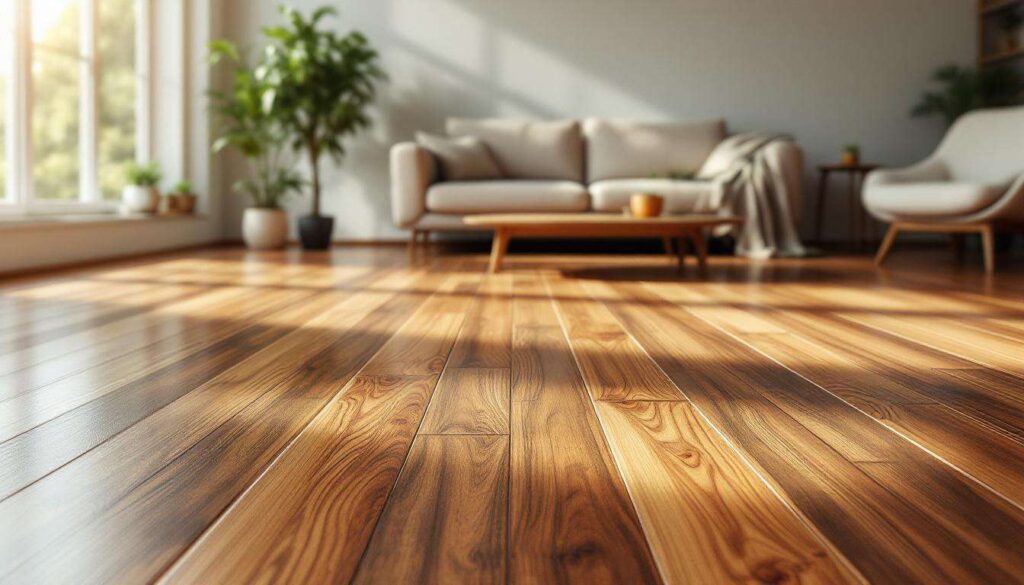
Hardwood floors represent a substantial investment in any home, yet many homeowners struggle to maintain their lustrous appearance over time. The accumulation of dirt, scratches and dullness can transform once-beautiful flooring into a lacklustre surface that detracts from your interior. Fortunately, restoring that original gleam doesn’t require expensive commercial products or professional intervention. A straightforward approach using common household items can revitalise your hardwood floors, bringing back their natural warmth and shine whilst protecting your investment for years to come.
The secret to gleaming hardwood floors
The microfibre cloth method
The foundation of brilliant hardwood floors lies in a surprisingly simple technique: regular buffing with a microfibre cloth. This method works by gently lifting away surface debris whilst simultaneously polishing the wood’s natural finish. Unlike traditional cotton cloths that can leave behind fibres and streaks, microfibre materials trap dust particles within their unique structure, preventing scratches that occur when dirt is dragged across the surface.
To implement this technique effectively, use a slightly damp microfibre cloth rather than a soaking wet one. The minimal moisture helps lift stubborn marks without saturating the wood, which could lead to warping or damage to the protective finish. Work in the direction of the wood grain, applying gentle pressure in circular motions to restore the floor’s natural lustre.
Understanding the buffing process
Buffing serves multiple purposes beyond simple cleaning. It redistributes the existing finish across the floor’s surface, filling in minor imperfections and creating a more uniform appearance. This process should be performed every few months depending on foot traffic, with high-traffic areas requiring more frequent attention.
| Room type | Recommended buffing frequency | Expected time investment |
|---|---|---|
| Living rooms | Every 2-3 months | 15-20 minutes |
| Hallways | Monthly | 10-15 minutes |
| Bedrooms | Every 4-6 months | 10-12 minutes |
However, before implementing any cleaning routine, it’s essential to recognise what threatens your hardwood floors in the first place.
Understanding the enemies of hardwood floors
Water: the primary threat
Excessive moisture stands as the number one enemy of hardwood flooring. When water penetrates the wood fibres, it causes expansion that leads to cupping, warping and permanent damage. Even seemingly harmless activities like mopping with a dripping wet mop can introduce enough moisture to compromise the wood’s structural integrity over time.
Abrasive materials and harsh chemicals
Many homeowners unknowingly damage their floors by using abrasive cleaning tools or harsh chemical solutions. Steel wool, stiff brushes and scouring pads create microscopic scratches that accumulate, dulling the floor’s appearance. Similarly, ammonia-based cleaners and undiluted vinegar can strip away protective finishes, leaving the wood vulnerable to staining and moisture damage.
The cost of neglect
Failing to address these threats promptly can result in substantial repair costs. Professional restoration typically ranges between £481 and £1,704, depending on the extent of damage and room size. Considering that initial installation costs between £2,500 and £7,000, proper maintenance becomes an economic necessity rather than merely an aesthetic preference.
With these threats in mind, discovering effective yet gentle cleaning solutions becomes paramount.
A quick clean with a kitchen ingredient
The vinegar solution approach
One of the most effective homemade cleaning solutions combines white vinegar with water and essential oils. This mixture cuts through grime whilst remaining gentle on wood finishes when used correctly. The acetic acid in vinegar breaks down dirt and residue without the harsh effects of commercial chemicals.
Proper preparation and application
- Mix one part white vinegar with ten parts warm water in a spray bottle
- Add three to five drops of essential oil such as lemon or lavender for fragrance and additional cleaning properties
- Shake the bottle gently to combine ingredients
- Spray a light mist onto the floor surface, never applying directly in large quantities
- Immediately wipe with a microfibre cloth, following the wood grain
Important limitations
Whilst this method proves effective, it should be employed sparingly—ideally once or twice monthly at most. Overuse of vinegar, even when diluted, can gradually erode protective finishes. For weekly cleaning, plain water with a microfibre cloth suffices for most maintenance needs.
Once your floors are clean, enhancing their appearance through proper polishing techniques takes them to the next level.
The art of polishing hardwood floors
Natural shine restoration
Polishing differs fundamentally from cleaning. Whilst cleaning removes dirt, polishing enhances the wood’s natural beauty by creating a protective layer that reflects light. Avoid wax-based products that leave sticky residues attracting more dirt. Instead, opt for polish specifically formulated for hardwood floors with polyurethane or similar modern finishes.
Application technique
Apply polish using a clean microfibre mop or cloth, working in small sections. Spread the product thinly and evenly, allowing it to penetrate the wood’s surface. Less is more with floor polish—excess product creates a cloudy appearance and attracts dust. Allow adequate drying time, typically 30 minutes to an hour, before walking on the surface.
Beyond periodic polishing, establishing habits that protect your floors ensures lasting results.
How to extend the lifespan of your floor
Preventative measures
The most effective maintenance strategy involves preventing damage before it occurs. Place protective felt pads beneath furniture legs to prevent scratches when items are moved. Use rugs or runners in high-traffic areas to reduce wear on the wood finish.
Environmental considerations
Maintain consistent indoor humidity levels between 35% and 55%. Excessive dryness causes wood to contract and crack, whilst high humidity leads to expansion and cupping. Consider using a humidifier during winter months and a dehumidifier in summer to maintain optimal conditions.
Immediate response to spills
Address spills immediately using an absorbent cloth. Even water-resistant finishes can fail when liquid sits on the surface for extended periods. Quick action prevents staining and moisture penetration that leads to costly repairs.
These protective measures work best when combined with a consistent maintenance schedule.
Tips for regular and effective maintenance
Daily and weekly routines
Establish a regular sweeping schedule using a soft-bristled broom or microfibre dust mop. This removes abrasive particles that act like sandpaper underfoot, gradually wearing away the finish. High-traffic areas benefit from daily attention, whilst less-used spaces require sweeping two to three times weekly.
Monthly deep cleaning
Once monthly, perform a more thorough cleaning using your vinegar solution or a commercial hardwood floor cleaner. This removes built-up residue that regular sweeping misses. Follow immediately with buffing to restore shine and redistribute the protective finish.
Seasonal considerations
| Season | Specific maintenance needs | Frequency |
|---|---|---|
| Spring | Deep clean and polish | Once |
| Summer | Monitor humidity levels | Weekly checks |
| Autumn | Inspect for damage | Once |
| Winter | Increase humidity, reduce water use | Daily monitoring |
When to consider refinishing
Despite best efforts, hardwood floors eventually require professional refinishing. Signs include widespread scratching, water stains that won’t lift, and areas where the finish has worn through to bare wood. Professional sanding and refinishing restores floors to near-original condition, though this process requires significant time and investment.
Maintaining hardwood floors needn’t involve expensive products or complicated procedures. The combination of gentle cleaning with microfibre cloths, occasional use of diluted vinegar solutions, and regular buffing provides everything necessary to keep floors looking magnificent. By understanding what damages wood, implementing preventative measures, and establishing consistent maintenance routines, homeowners can protect their substantial flooring investment whilst enjoying beautiful, gleaming surfaces. The key lies in gentle, regular attention rather than aggressive periodic cleaning, allowing the wood’s natural beauty to shine through for decades.