



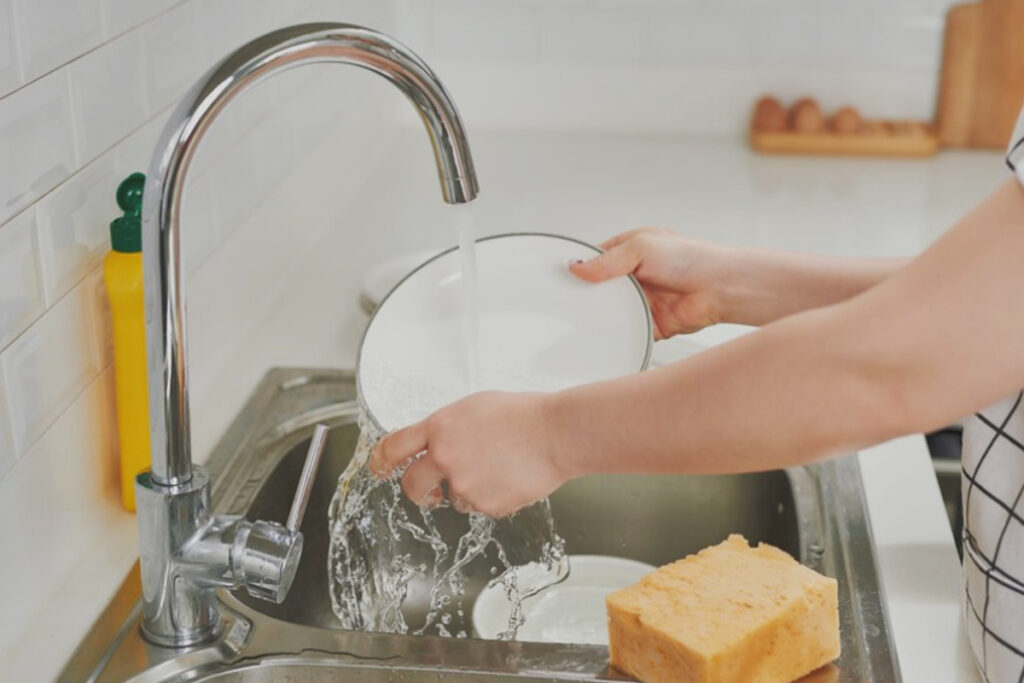
Every kitchen harbours its share of cleaning challenges, from burnt-on food residue to stubborn grease stains that resist conventional scrubbing. Whilst commercial cleaning products promise miraculous results, a surprisingly effective solution has been hiding in plain sight on kitchen shelves. Combining two humble household staples—table salt and washing-up liquid—creates a powerful cleaning agent that tackles some of the most persistent kitchen messes without harsh chemicals or expensive specialised products.
The secret of salt and dish soap
Understanding the chemistry behind the combination
The effectiveness of this cleaning duo stems from complementary physical and chemical properties that work in tandem. Washing-up liquid contains surfactants designed to break down grease and lift dirt from surfaces, whilst salt provides a gentle yet effective abrasive action. When combined, these ingredients create a paste that simultaneously dissolves and scrubs away stubborn residues that neither ingredient could tackle as efficiently alone.
The coarse texture of salt crystals acts as a natural scouring agent, creating friction that loosens baked-on food particles and carbonised residues. Meanwhile, the soap molecules surround and encapsulate grease molecules, allowing them to be rinsed away with water. This dual-action approach proves particularly valuable for cleaning tasks where traditional methods fall short.
Preparing the perfect cleaning paste
Creating this effective cleaning solution requires minimal effort and only two ingredients. The ideal consistency resembles a thick paste that adheres to vertical surfaces whilst maintaining enough grit to provide scrubbing power. To achieve optimal results, follow these proportions:
- Two tablespoons of table salt
- One tablespoon of washing-up liquid
- A few drops of water if needed to achieve desired consistency
Mix the ingredients in a small bowl until they form a spreadable paste. The mixture should be damp but not runny, allowing it to cling to the surface being cleaned. For larger cleaning projects, simply multiply the quantities whilst maintaining the two-to-one salt-to-soap ratio.
This straightforward preparation method makes the solution accessible to anyone seeking an immediate remedy for kitchen cleaning challenges.
Salt: a friend to your kitchen utensils
Reviving tarnished cookware
Copper and stainless steel cookware often develop unsightly discolouration and tarnish over time, diminishing their appearance despite regular washing. The salt and dish soap combination proves remarkably effective at restoring the original lustre to these items. Apply the paste to affected areas, gently rub in circular motions, and watch as oxidation and water spots disappear.
For heavily tarnished copper pans, allow the mixture to sit for approximately ten minutes before scrubbing. The salt’s mild abrasiveness removes tarnish without scratching the metal surface, whilst the soap lifts away accumulated grime. This method proves particularly valuable for vintage cookware that requires gentle yet thorough cleaning.
Tackling burnt-on food residues
Few kitchen mishaps prove more frustrating than discovering burnt food welded to the bottom of a favourite pan. Traditional scrubbing often proves futile, and soaking overnight merely postpones the inevitable struggle. The salt-soap paste offers a superior solution:
- Sprinkle a generous layer of salt over the burnt area
- Add washing-up liquid directly onto the salt
- Work into a paste using a damp sponge
- Allow to sit for fifteen to twenty minutes
- Scrub with moderate pressure using circular motions
The extended contact time allows the soap to penetrate and soften the carbonised residue whilst the salt provides the mechanical action needed to lift it away. This approach proves effective even on severely burnt stainless steel and cast iron cookware.
Cleaning cutting boards thoroughly
Wooden and plastic cutting boards accumulate stains, odours, and bacteria from repeated food preparation. The salt-soap combination addresses all three concerns simultaneously. The abrasive quality of salt scrubs away surface stains and embedded food particles, whilst the antibacterial properties of washing-up liquid help sanitise the surface. For wooden boards, this method proves gentler than harsh chemical cleaners that can damage the wood fibres.
Beyond individual utensils, this versatile mixture addresses broader kitchen surface challenges that plague even the most diligent cleaners.
Eliminating stubborn stains on your surfaces
Conquering grease splatter on cooktops
Cooktops and hobs bear the brunt of daily cooking activities, accumulating layers of baked-on grease and food splatter that standard wiping cannot remove. The salt-dish soap paste excels at breaking down these stubborn deposits. Apply the mixture to affected areas, allow it to work for several minutes, then scrub with a non-abrasive sponge.
| Surface Type | Application Time | Scrubbing Intensity |
|---|---|---|
| Glass ceramic hobs | 5-10 minutes | Light to moderate |
| Stainless steel cooktops | 10-15 minutes | Moderate |
| Enamel surfaces | 5-8 minutes | Light |
For ceramic and glass surfaces, exercise caution with scrubbing pressure to avoid scratching. The salt provides sufficient abrasion without requiring excessive force, making it safer than commercial scouring powders that may damage delicate finishes.
Removing coffee and tea stains
Mugs, teapots, and coffee carafes develop persistent brown stains that resist normal washing. These tannin-based stains require both chemical dissolution and physical removal. The salt-soap mixture addresses both requirements effectively. Fill the stained vessel with the paste, scrub the interior surfaces thoroughly, then rinse with hot water. Stubborn stains may require a second application, but most disappear after a single treatment.
This same approach works equally well on countertops and work surfaces where beverage spills have left lasting marks.
Refreshing and deodorising the sink with ease
Deep cleaning stainless steel sinks
Kitchen sinks endure constant exposure to food waste, grease, and water deposits, developing a dull film that diminishes their appearance. The salt-soap combination restores shine and cleanliness to stainless steel sinks remarkably well. Sprinkle salt liberally across the entire sink surface, add washing-up liquid, and scrub with a soft cloth or sponge.
Pay particular attention to the areas around the drain and tap fixtures, where grime accumulates most heavily. The mixture’s degreasing properties cut through soap scum and food residues, whilst the salt polishes the metal to a brilliant shine. For best results, rinse thoroughly with hot water and dry with a clean towel to prevent water spots.
Eliminating drain odours naturally
Unpleasant smells emanating from kitchen drains often indicate accumulated grease and food particles clinging to pipe walls. Rather than resorting to harsh chemical drain cleaners, the salt-soap method offers a gentler alternative. Pour half a cup of salt down the drain, followed by a generous squirt of washing-up liquid and a kettle of boiling water.
The combination works to dissolve grease deposits whilst the hot water flushes debris through the pipes. For persistent odours, repeat weekly until the problem resolves. This preventative maintenance approach helps avoid more serious blockages whilst keeping drains fresh.
Whilst sinks benefit tremendously from this cleaning method, wooden surfaces throughout the kitchen also require special attention to maintain their appearance and longevity.
Protecting your wood from water marks
Removing white rings from wooden surfaces
Water marks on wooden countertops and chopping boards appear as cloudy white rings that mar the surface beauty. These marks occur when moisture penetrates the wood finish, creating a hazy appearance. The salt-soap paste, applied gently with the grain of the wood, can lift these marks effectively without damaging the finish.
Create a slightly damper paste than usual for this application, and rub very gently in the direction of the wood grain. The mild abrasive action of the salt removes the surface discolouration whilst the soap conditions the wood. After treatment, wipe clean with a damp cloth and dry thoroughly. For deeper marks, multiple applications may prove necessary.
Maintaining wooden cutting boards
Regular maintenance of wooden cutting boards extends their lifespan and prevents bacterial growth. The salt-soap treatment serves as an excellent monthly deep-clean supplement to daily washing. The salt draws out moisture and embedded odours whilst providing antibacterial benefits, and the soap removes surface oils and food residues.
After scrubbing with the mixture, rinse thoroughly and allow the board to air-dry completely before storing. This prevents warping and cracking that can occur when wooden items remain damp.
Other little-known uses of the miracle mix
Cleaning oven racks and grill grates
Oven racks and barbecue grill grates accumulate carbonised grease that seems impossible to remove. The salt-soap paste tackles even these formidable challenges. For best results, remove the racks or grates and lay them flat in a large sink or bathtub. Apply the paste generously, allow it to work for twenty to thirty minutes, then scrub with a stiff brush.
The extended contact time proves crucial for breaking down heavily carbonised deposits. For extremely dirty items, an overnight application yields even better results.
Polishing chrome fixtures and taps
Chrome bathroom and kitchen fixtures develop water spots and lose their mirror-like finish over time. A light application of the salt-soap mixture restores brilliance without scratching. Use a soft cloth and gentle circular motions to polish chrome surfaces, then rinse and buff dry with a microfibre cloth.
Cleaning cast iron cookware
Whilst cast iron requires special care to maintain its seasoning, the salt-soap method works beautifully when used correctly. Apply sparingly, scrub gently, rinse immediately, and dry thoroughly before re-oiling. This approach removes stuck-on food without stripping the protective patina that makes cast iron cookware valuable.
These diverse applications demonstrate the remarkable versatility of combining two simple kitchen staples into a powerful cleaning solution that addresses challenges throughout the home.
The remarkable effectiveness of salt and washing-up liquid as a cleaning combination demonstrates that powerful solutions need not be complicated or expensive. From reviving tarnished cookware to eliminating stubborn stains, deodorising sinks, and protecting wooden surfaces, this simple mixture addresses numerous kitchen cleaning challenges with impressive results. The method’s accessibility, affordability, and environmental friendliness make it an invaluable addition to any household cleaning routine, proving that sometimes the best solutions have been sitting in our cupboards all along.