

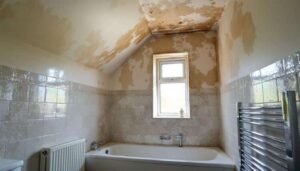


Damp, discoloured walls and a musty smell in rented properties are no longer problems tenants must simply endure. Recent legislative changes have strengthened protections for renters facing mould and condensation issues, placing clear responsibilities on landlords to address these hazards promptly. With growing awareness of the health risks associated with mould exposure, the law now requires property owners to take swift action when problems arise. For tenants living in affected properties, understanding these new provisions means knowing exactly what standards landlords must meet and what recourse is available when they fail to comply.
Understanding the Renters’ Rights Act
Legislative framework and scope
The Renters’ Rights Act represents a significant shift in housing legislation, consolidating tenant protections across England. This comprehensive reform builds upon existing housing health and safety regulations whilst introducing more stringent requirements for landlords. The Act specifically addresses hazards under the Housing Health and Safety Rating System (HHSRS), which classifies mould and dampness as Category 1 hazards when they pose serious and immediate risks to occupants’ health.
Under this framework, local authorities possess enhanced powers to enforce compliance, and landlords face clearer obligations regarding property maintenance. The legislation applies to all private rented sector properties, regardless of tenancy type, ensuring consistent standards across the market.
Key provisions affecting mould remediation
Several specific provisions within the Act directly impact how mould issues must be handled:
- Landlords must ensure properties meet the Decent Homes Standard at the start of and throughout tenancies
- Mandatory reporting mechanisms require landlords to address hazards within defined timeframes
- Tenants gain stronger rights to request repairs without fear of retaliatory eviction
- Enhanced enforcement powers enable councils to issue improvement notices more readily
These provisions work together to create a system where prevention and rapid response become standard practice rather than exceptions. The Act also establishes that landlords cannot simply treat surface mould without addressing underlying causes such as inadequate ventilation, structural defects, or heating deficiencies.
With these legal foundations established, it becomes essential to understand why mould represents such a pressing concern for both health and property standards.
Why mould is a serious issue
Health implications for residents
Mould exposure carries significant health risks, particularly for vulnerable groups including children, elderly residents, and those with existing respiratory conditions. Medical research has established clear links between damp, mouldy environments and various health problems. Prolonged exposure can trigger asthma attacks, cause allergic reactions, and lead to respiratory infections that require medical intervention.
The most common health effects include:
- Persistent coughing and wheezing
- Throat irritation and nasal congestion
- Skin rashes and eye irritation
- Increased susceptibility to infections
- Exacerbation of existing conditions such as asthma or COPD
In severe cases, exposure to certain mould species can result in chronic health conditions requiring long-term treatment. Children growing up in mouldy homes show higher rates of respiratory illness and may develop sensitivities that persist into adulthood.
Property damage and structural concerns
Beyond health impacts, mould indicates underlying problems that can compromise a property’s structural integrity. Persistent dampness weakens building materials, causing timber rot, plaster deterioration, and damage to fixtures and furnishings. Left unaddressed, these issues escalate repair costs significantly and may render properties uninhabitable.
| Mould severity | Typical damage | Approximate repair cost |
|---|---|---|
| Minor surface mould | Cosmetic staining, odour | £200-£500 |
| Moderate spread | Plaster damage, ventilation issues | £1,000-£3,000 |
| Severe infestation | Structural timber rot, major damp | £5,000-£15,000+ |
These figures demonstrate why early intervention benefits both landlords and tenants, preventing minor issues from developing into costly structural repairs. Understanding these risks clarifies why the law now mandates swift landlord action.
Landlords’ obligations under the new law
Duty to maintain habitable conditions
The Act imposes an unequivocal duty on landlords to maintain properties in a condition fit for human habitation. This obligation extends beyond simply reacting to tenant complaints; landlords must proactively ensure adequate ventilation, heating, and damp-proofing measures are in place and functioning properly. Properties must meet minimum energy efficiency standards, as inadequate heating often contributes to condensation and subsequent mould growth.
Landlords cannot shift responsibility onto tenants by claiming that lifestyle factors caused the mould. Whilst tenants have reasonable obligations to ventilate properties and report issues promptly, structural and systemic problems remain the landlord’s responsibility to resolve.
Inspection and prevention requirements
Under the new framework, landlords must conduct regular property inspections to identify potential hazards before they escalate. These inspections should specifically assess:
- Ventilation adequacy in kitchens, bathrooms, and bedrooms
- Heating system functionality and efficiency
- Signs of dampness, condensation, or water ingress
- Condition of windows, seals, and external walls
- Functionality of extractor fans and air vents
Documentation of these inspections provides evidence of due diligence and helps landlords demonstrate compliance with their statutory obligations. Failure to conduct appropriate inspections can constitute grounds for enforcement action by local authorities.
Having established what landlords must do, the crucial question becomes how quickly they must act when mould problems emerge.
Timeline for repairing mould issues
Emergency versus routine repairs
The Act distinguishes between urgent hazards requiring immediate attention and less severe issues that permit longer response times. Extensive mould affecting multiple rooms or posing immediate health risks falls into the emergency category, requiring action within 24 hours of notification. This might involve temporary measures such as providing dehumidifiers or alternative accommodation whilst permanent repairs are arranged.
For less severe mould problems, landlords typically have between 7 and 14 days to commence meaningful remediation work. However, this timeframe assumes the issue poses no immediate health risk and affects only limited areas of the property.
Reasonable timeframes for complete resolution
Complete resolution timelines depend on the underlying cause and extent of remediation required. Simple cases involving surface mould and minor ventilation improvements should be fully resolved within two to three weeks. More complex situations requiring structural repairs, damp-proofing installation, or heating system upgrades may reasonably take four to eight weeks.
| Issue type | Initial response | Complete resolution |
|---|---|---|
| Surface mould only | 48 hours | 1-2 weeks |
| Ventilation problems | 7 days | 2-4 weeks |
| Structural damp | 7 days | 6-8 weeks |
| Major building defects | 24 hours (safety) | 8-12 weeks |
Landlords must maintain regular communication with tenants throughout the repair process, providing updates on progress and expected completion dates. Unreasonable delays without valid explanation may constitute breach of statutory obligations.
When landlords fail to meet these timelines, tenants possess specific rights and remedies to enforce compliance.
Tenants’ rights in cases of non-compliance
Reporting procedures and escalation
Tenants should first report mould issues to their landlord in writing, providing photographic evidence and describing the extent of the problem. Keeping copies of all correspondence creates an evidence trail demonstrating the landlord’s awareness and response timeline. If the landlord fails to respond adequately within reasonable timeframes, tenants can escalate to their local authority’s environmental health department.
Local councils possess powers to inspect properties, issue improvement notices, and ultimately prosecute landlords who fail to address serious hazards. Tenants can request these inspections without their landlord’s permission, and retaliatory eviction protections prevent landlords from serving Section 21 notices for six months following such complaints.
Remedies available to affected tenants
Several remedies exist for tenants living with unresolved mould problems:
- Rent repayment orders allowing recovery of up to 12 months’ rent for serious breaches
- Compensation claims for damaged belongings or health impacts
- Emergency repairs provisions permitting tenants to arrange urgent work and deduct costs from rent
- Housing disrepair claims through the county court for breach of repair obligations
- Temporary rehousing at the landlord’s expense when properties become uninhabitable
The Act strengthens these remedies by removing previous barriers that discouraged tenants from asserting their rights. Tenants no longer risk immediate eviction for making legitimate complaints about property conditions, creating a more balanced relationship between parties.
To successfully pursue these remedies, tenants must maintain thorough documentation of the problems they experience.
How to document mould issues
Photographic and written evidence
Comprehensive documentation begins with clear photographs showing the extent and location of mould growth. Images should include date stamps and context showing which rooms are affected. Take multiple photos from different angles, including close-ups of affected areas and wider shots demonstrating the overall condition. Photograph the same areas periodically to document progression or improvement.
Written records should detail:
- Dates when mould first appeared or worsened
- Specific locations and approximate surface area affected
- Associated problems such as musty odours, dampness, or condensation
- Health symptoms experienced by household members
- Actions taken to ventilate and maintain the property
This contemporaneous record provides crucial evidence if disputes arise about when problems began or how the landlord responded.
Correspondence and professional assessments
Retain copies of all communications with landlords, including emails, text messages, and letters. If reporting by phone, follow up with written confirmation summarising the conversation and any commitments made. Request written responses to ensure accountability and create a clear timeline of the landlord’s actions or inaction.
Consider obtaining independent professional assessments from qualified surveyors or environmental health specialists. These reports carry significant weight in legal proceedings and provide expert opinions on causation and appropriate remediation measures. Whilst tenants typically bear the initial cost, successful claims often allow recovery of these expenses.
Medical records documenting health problems attributable to mould exposure strengthen compensation claims and demonstrate the severity of the hazard’s impact on household members.
The Renters’ Rights Act fundamentally rebalances responsibilities in the private rented sector, ensuring landlords cannot ignore serious hazards like mould. Tenants now possess clear legal protections and practical remedies when properties fail to meet acceptable standards. By understanding their rights, documenting problems thoroughly, and following proper reporting procedures, renters can enforce these protections effectively. Landlords who respond promptly to mould issues fulfil their legal obligations whilst protecting their property investments. These provisions ultimately benefit everyone by maintaining healthier, safer housing across the rental market.