



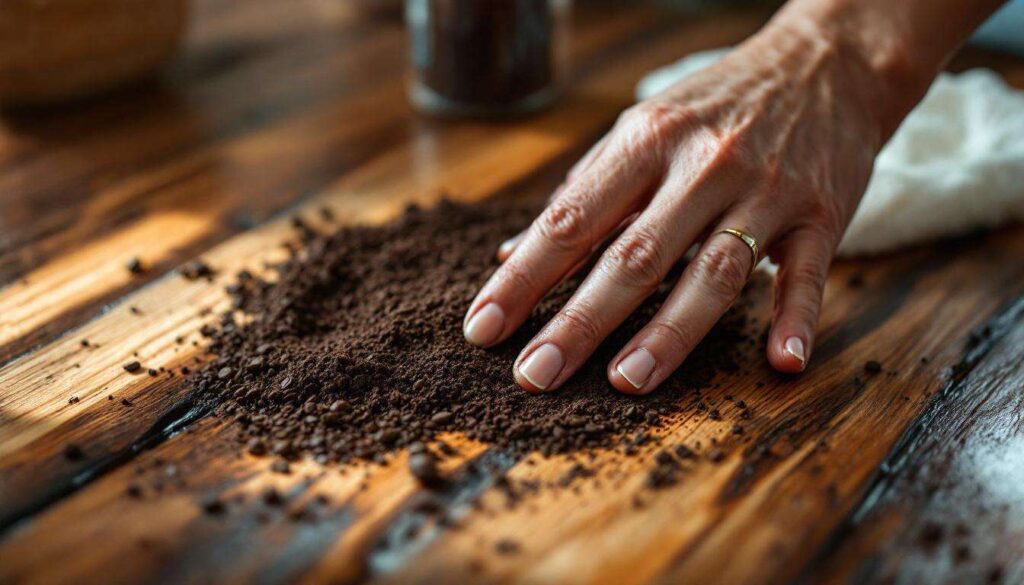
Wooden furniture brings warmth and character to any home, yet maintaining its natural lustre can prove challenging without resorting to chemical-laden commercial products. An increasingly popular solution lies in an unexpected household item: used coffee grounds. This natural byproduct offers a gentle yet effective method for polishing wood surfaces, combining mild abrasive properties with environmental benefits. By repurposing what would otherwise be discarded waste, homeowners can restore shine to their cherished wooden pieces whilst embracing sustainable cleaning practices.
Understanding the effectiveness of mild abrasives on wood
The science behind gentle polishing
Mild abrasives work by removing the thin layer of oxidised material, dirt, and grime that accumulates on wooden surfaces over time. Unlike harsh chemical cleaners that can strip protective finishes or damage wood fibres, gentle abrasives polish without penetrating deeply into the material. Coffee grounds possess a granular texture that falls perfectly within this category, offering sufficient friction to lift surface impurities whilst remaining soft enough to avoid scratching.
The cellular structure of coffee grounds breaks down during brewing, creating particles that are neither too coarse nor too fine. This ideal consistency allows them to buff away dulling residues without compromising the integrity of wood finishes. When combined with oils, these grounds create a suspension that distributes the abrasive action evenly across surfaces.
How coffee grounds compare to commercial products
| Property | Coffee grounds | Commercial cleaners |
|---|---|---|
| Abrasiveness | Mild, natural | Variable, often synthetic |
| Chemical content | None | Solvents, fragrances, preservatives |
| Environmental impact | Repurposed waste | Manufacturing footprint |
| Cost | Free byproduct | £3-£12 per bottle |
This comparison reveals significant advantages in choosing coffee grounds over manufactured alternatives, particularly regarding environmental sustainability and household budget considerations.
Understanding these fundamental properties provides the foundation for creating an effective homemade furniture polish that rivals commercial options.
Preparing and using a coffee grounds scrub
Essential ingredients and proportions
Creating an effective coffee grounds scrub requires only three basic components:
- Used coffee grounds: 100-150 grams (approximately half a cup)
- Carrier oil: 120 millilitres of olive oil, coconut oil, or jojoba oil
- Optional enhancer: 30 millilitres of white vinegar for additional cleaning power
The ratio of grounds to oil determines the scrub’s consistency. A thicker paste suits heavily soiled surfaces, whilst a thinner mixture works better for routine maintenance. The oil serves multiple purposes: it binds the grounds, provides lubrication during application, and nourishes the wood simultaneously.
Step-by-step application method
Proper application ensures optimal results without risking damage to furniture:
- Combine ingredients in a clean bowl, stirring thoroughly until achieving a uniform consistency
- Test the mixture on an inconspicuous area first, waiting 24 hours to check for adverse reactions
- Apply a small amount to a soft, lint-free cloth rather than directly onto furniture
- Work in circular motions following the wood grain, applying gentle pressure
- Allow the mixture to sit for 2-3 minutes on particularly stubborn marks
- Buff with a clean, dry cloth to remove residue and reveal the restored shine
The circular motion technique ensures even distribution whilst the grain-following approach prevents micro-scratches that could dull the surface over time.
With the preparation and application mastered, attention turns to selecting appropriate materials and surfaces for this cleaning method.
Selecting suitable coffee grounds and wooden surfaces
Choosing the right coffee grounds
Not all coffee grounds perform equally as furniture polish. Freshly used grounds work best because they retain moisture and essential oils that enhance their polishing properties. Grounds that have dried completely become too abrasive and may scratch delicate finishes. The ideal timeframe for use falls between immediately after brewing and 24 hours afterwards.
Regarding coffee type, considerations include:
- Medium to dark roasts contain more oils, creating a richer polish
- Finely ground coffee distributes more evenly than coarse grinds
- Organic coffee eliminates concerns about pesticide residues on furniture
- Flavoured coffees should be avoided as artificial oils may leave unwanted residues
Identifying compatible wood types and finishes
The scrub works exceptionally well on sealed and finished hardwoods such as oak, walnut, mahogany, and teak. These dense woods with protective coatings benefit from gentle abrasion without absorbing excessive moisture from the oil component.
| Wood finish type | Suitability | Special considerations |
|---|---|---|
| Polyurethane | Excellent | Highly durable, responds well to mild abrasives |
| Lacquer | Good | Use lighter pressure to avoid dulling |
| Oil finish | Excellent | Additional oil from scrub enhances protection |
| Wax finish | Moderate | May remove wax layer, requiring reapplication |
| Unfinished wood | Poor | Absorbs oil unevenly, causing staining |
Matching the scrub to appropriate surfaces maximises effectiveness whilst minimising risk, setting the stage for exploring the broader environmental implications of this cleaning approach.
Incorporating sustainability and responsible use
Environmental benefits of repurposing coffee waste
Approximately 500,000 tonnes of coffee grounds enter UK waste streams annually, with most ending up in landfills where they generate methane during decomposition. By diverting these grounds to household cleaning purposes, individuals reduce their environmental footprint whilst avoiding the manufacturing impacts associated with commercial cleaning products.
The sustainability advantages extend beyond waste reduction:
- Eliminates plastic packaging from commercial cleaners
- Reduces chemical runoff entering water systems
- Decreases carbon emissions from product manufacturing and transport
- Supports circular economy principles by creating value from waste
Responsible sourcing and disposal practices
Maximising the environmental credentials of this cleaning method requires thoughtful sourcing. Collecting grounds from home brewing proves most sustainable, though coffee shops often provide used grounds free of charge to customers. After use as furniture polish, the spent mixture can be composted, completing the circular lifecycle.
When incorporating oils, choosing sustainably produced options matters. Olive oil from certified organic producers or coconut oil from fair-trade sources aligns with the eco-conscious philosophy underlying this approach.
These sustainability considerations naturally lead to practical guidance for achieving the best possible results whilst avoiding common pitfalls.
Tips and precautions for flawless cleaning
Maximising effectiveness
Several techniques enhance the scrub’s performance:
- Warm the oil slightly before mixing to improve absorption and spreadability
- Add a few drops of lemon essential oil for enhanced deodorising properties
- Store unused scrub in an airtight container for up to one week
- Apply in thin layers rather than thick applications to prevent residue buildup
- Work in small sections, completing each area before moving forward
For stubborn stains or water rings, allow the scrub to remain on the affected area for five minutes before buffing. The combination of mild abrasion and oil penetration often lifts marks that resist conventional cleaning methods.
Common mistakes to avoid
Even with a gentle natural product, certain errors can compromise results:
- Using excessive pressure that forces grounds into wood grain crevices
- Applying to damp or recently cleaned surfaces before complete drying
- Neglecting to test on hidden areas before full application
- Combining with other cleaning products that may react unpredictably
- Storing grounds too long, allowing mould growth that transfers to furniture
The most critical precaution involves recognising when this method proves inappropriate, a topic requiring dedicated examination.
When to avoid using the scrub on wooden furniture
Unsuitable furniture types and conditions
Despite its versatility, the coffee grounds scrub should not be used on certain wooden items. Antique furniture with original finishes requires specialist care, as even mild abrasives may damage irreplaceable patinas that contribute to historical value and authenticity.
Additional situations warranting caution include:
- Veneer surfaces thinner than 2 millimetres, which risk breakthrough
- Recently refinished pieces still curing (wait minimum 30 days)
- Painted or decorated wood where abrasion might remove artwork
- Musical instruments with specialised finishes affecting sound quality
- Outdoor furniture exposed to weather, requiring waterproof sealants instead
Recognising signs of incompatibility
During the initial test application, certain reactions indicate the scrub should not be used:
| Warning sign | Meaning | Recommended action |
|---|---|---|
| Darkening of wood | Oil absorption into unsealed areas | Discontinue use immediately |
| Finish dulling | Incompatible with coating type | Seek alternative cleaning method |
| Sticky residue | Reaction between oil and existing finish | Remove with appropriate solvent |
| Colour transfer | Finish degradation | Consult furniture restoration specialist |
When doubt exists about a piece’s suitability, consulting a professional furniture conservator prevents potentially irreversible damage to valuable items.
The coffee grounds scrub represents an accessible, effective, and environmentally responsible approach to maintaining wooden furniture’s natural beauty. By understanding the science behind mild abrasives, preparing the mixture correctly, selecting appropriate surfaces, and observing necessary precautions, homeowners can achieve professional-quality results without chemical cleaners. This method transforms waste into a valuable household resource whilst supporting sustainable living practices. As awareness grows regarding the environmental and health impacts of conventional cleaning products, natural alternatives like coffee grounds polishing offer practical solutions that benefit both homes and the planet.