



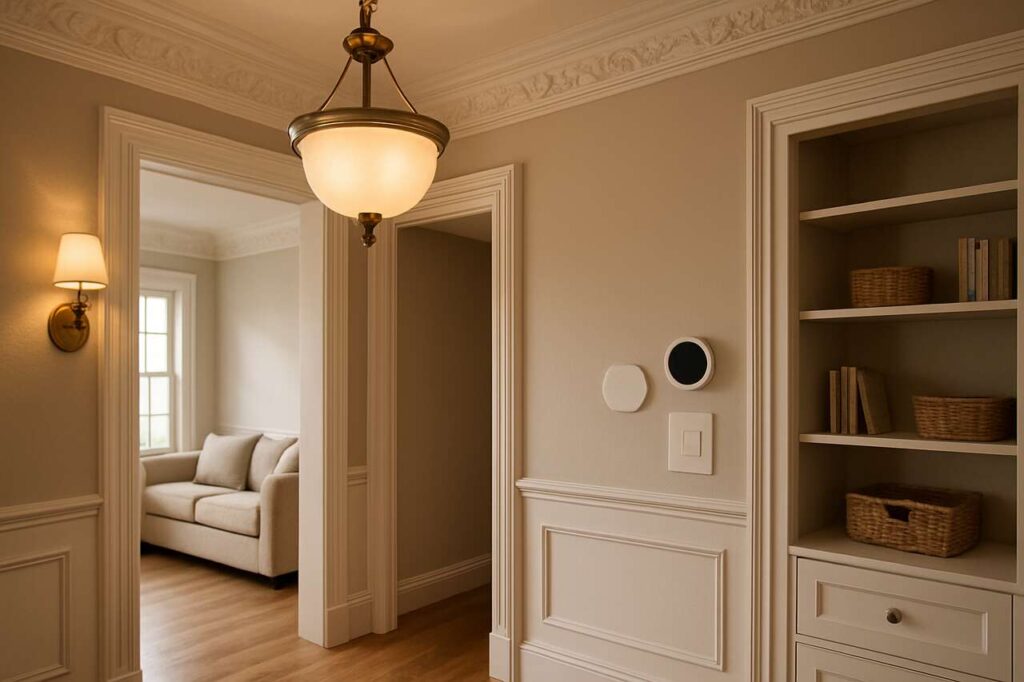
Renovation projects often focus on major structural changes and aesthetic transformations, yet homeowners frequently discover too late that certain seemingly minor elements carry significant weight in the overall success of their refurbishment. These overlooked aspects, whilst appearing insignificant during the planning phase, can dramatically affect daily comfort, long-term costs, and property value. Understanding which details deserve attention from the outset prevents costly regrets and ensures a renovation that truly enhances quality of life.
Material selection: do not skimp on quality
Choosing materials represents one of the most critical decisions in any renovation project, yet budget constraints often push homeowners towards cheaper alternatives that prove costly in the long run. Quality materials not only last longer but also require less maintenance, ultimately providing better value despite higher initial investment.
The hidden costs of inferior materials
When selecting flooring, tiles, fixtures, and fittings, the temptation to save money can lead to premature wear and frequent replacements. Laminate flooring that chips within two years or taps that leak after minimal use create frustration and additional expenses. Professional contractors consistently report that clients express regret over choosing budget materials, particularly in high-traffic areas and frequently used spaces such as kitchens and bathrooms.
Strategic investment in key areas
Prioritising material quality in specific zones yields the best results:
- Kitchen worktops: durable surfaces like quartz or granite withstand daily use
- Bathroom fixtures: quality taps and shower systems prevent leaks and corrosion
- Flooring: hardwood or premium tiles maintain appearance despite heavy footfall
- Paint: higher-grade paints offer better coverage and longevity
- Door handles and hinges: solid brass or stainless steel ensures smooth operation for decades
The relationship between material quality and insulation performance highlights another crucial consideration that affects both comfort and running costs.
Thermal and acoustic insulation: long-term savings
Insulation remains one of the most frequently neglected aspects of renovation, despite offering substantial financial and comfort benefits over the property’s lifetime. Whilst walls are open and access is straightforward, failing to upgrade insulation represents a missed opportunity that becomes exponentially more expensive to address later.
Energy efficiency and cost reduction
Proper thermal insulation directly impacts heating bills, with well-insulated homes requiring significantly less energy to maintain comfortable temperatures. The Energy Saving Trust estimates that adequate loft insulation can save households between £135 and £250 annually, whilst cavity wall insulation reduces bills by approximately £160 per year. These savings accumulate substantially over time, often recouping installation costs within five to seven years.
Acoustic comfort in modern living
Sound insulation frequently receives even less attention than thermal protection, yet noise pollution significantly affects wellbeing and sleep quality. Installing acoustic insulation between floors, walls, and ceilings creates peaceful environments, particularly valuable in:
- Terraced and semi-detached properties where neighbouring noise penetrates
- Homes near busy roads or commercial areas
- Multi-storey residences where footfall and plumbing noise travels
- Properties with home offices requiring quiet working conditions
| Insulation type | Typical cost | Annual saving | Payback period |
|---|---|---|---|
| Loft insulation | £300-£500 | £135-£250 | 2-4 years |
| Cavity wall | £500-£1,500 | £160 | 3-9 years |
| Solid wall (internal) | £4,000-£13,000 | £260 | 15-50 years |
Just as insulation affects how a space feels thermally and acoustically, lighting design fundamentally shapes how rooms function and appear throughout the day.
The importance of good lighting: do not overlook light
Lighting design extends far beyond simply installing ceiling fixtures, yet many renovations treat it as an afterthought rather than an integral component of spatial planning. Inadequate or poorly positioned lighting undermines even the most beautifully designed interiors, creating shadows, reducing functionality, and failing to showcase architectural features.
Layered lighting approaches
Professional interior designers emphasise the necessity of combining multiple lighting types to create versatile, functional spaces. Relying solely on central ceiling lights produces flat, uninviting environments that lack atmosphere and fail to accommodate different activities and moods.
A comprehensive lighting scheme incorporates:
- Ambient lighting: general illumination from ceiling fixtures or recessed lights
- Task lighting: focused light for specific activities like reading, cooking, or grooming
- Accent lighting: highlighting artwork, architectural details, or creating focal points
- Natural light optimisation: maximising daylight through window placement and reflective surfaces
Electrical planning during renovation
The renovation phase offers the ideal opportunity to install adequate electrical infrastructure for lighting. Adding circuits, dimmer switches, and strategically positioned outlets becomes significantly more disruptive and expensive once walls are closed. Homeowners consistently regret not installing sufficient power points or failing to plan for floor and table lamps that provide essential ambient warmth.
Whilst lighting creates atmosphere and functionality, the quality of finishes determines how polished and professional the completed renovation appears.
The finishes: the final touch that changes everything
Finishes represent the details that visitors notice immediately, yet budget fatigue often leads to compromises precisely when these elements deserve greatest attention. Poorly executed finishing work undermines months of renovation effort, creating an amateur appearance that diminishes property value and personal satisfaction.
Critical finishing elements
Several finishing aspects require meticulous attention:
- Skirting boards and architraves: clean lines and proper mitring create professional appearance
- Grouting and sealing: neat, consistent grout lines in tiling projects
- Paint application: adequate preparation and multiple coats for flawless surfaces
- Hardware alignment: door handles, cabinet pulls, and switches installed level and consistent
- Caulking and trim work: seamless transitions between surfaces
The cost of cutting corners
Rushing through finishing work or hiring inexperienced tradespeople for final stages produces visible imperfections that detract from otherwise excellent renovation work. Professional decorators and finishers command higher rates because their expertise ensures crisp edges, smooth surfaces, and attention to detail that distinguishes quality renovations from mediocre ones.
Beyond aesthetic considerations, practical elements like storage planning fundamentally affect how comfortably and efficiently a renovated space functions daily.
Space planning for storage: maximise utility
Insufficient storage ranks among the most common complaints in renovated homes, despite representing one of the easiest issues to address during construction phases. Failing to incorporate adequate storage solutions forces homeowners to live with clutter or undertake additional modifications later at considerably higher cost and inconvenience.
Built-in storage advantages
Custom-built storage integrated during renovation maximises space efficiency whilst maintaining clean aesthetics. Floor-to-ceiling cabinetry, alcove shelving, and under-stair storage utilise otherwise wasted areas. Bespoke solutions accommodate specific needs and dimensions far more effectively than freestanding furniture purchased afterwards.
Room-specific storage considerations
| Room | Essential storage | Often overlooked |
|---|---|---|
| Kitchen | Base and wall units | Larder cupboards, appliance garages, pull-out bins |
| Bathroom | Vanity unit | Recessed shelving, heated towel storage, medicine cabinets |
| Bedroom | Wardrobe | Under-bed drawers, dressing room areas, shoe storage |
| Hallway | Coat hooks | Boot storage, umbrella stands, key and post organisation |
Planning storage during initial design phases allows electrical outlets, lighting, and ventilation to be incorporated where needed, particularly in enclosed storage areas where air circulation prevents mustiness and moisture damage.
Ventilation systems: for a healthy and comfortable home
Modern homes built or renovated to high insulation standards require mechanical ventilation to maintain air quality and prevent condensation-related problems. Whilst older properties relied on natural draughts, contemporary airtight construction demands purposeful ventilation strategies that many renovations overlook until damp and mould issues emerge.
Health and structural implications
Inadequate ventilation leads to moisture accumulation that damages building fabric, encourages mould growth, and creates unhealthy indoor environments. Respiratory problems, allergies, and structural decay result from poor air circulation, particularly in bathrooms, kitchens, and bedrooms where humidity levels naturally rise.
Ventilation solutions for renovated properties
Effective ventilation systems range from simple to sophisticated:
- Extractor fans: essential in bathrooms and kitchens, preferably with humidity sensors
- Trickle vents: passive ventilation in window frames maintaining background airflow
- Mechanical ventilation with heat recovery (MVHR): whole-house systems recovering warmth from extracted air
- Positive input ventilation: central units gently pressurising homes with filtered fresh air
Installing comprehensive ventilation during renovation proves far simpler than retrofitting later, as ductwork can be concealed within ceiling voids and wall cavities before finishing work commences. The investment protects both property value and occupant health whilst maintaining the thermal efficiency that proper insulation provides.
Successful renovations balance aesthetic ambitions with practical necessities, recognising that elements like material quality, insulation, lighting, finishes, storage, and ventilation fundamentally determine long-term satisfaction. These aspects may lack the immediate visual impact of new kitchens or bathrooms, yet their influence on daily comfort, running costs, and property value proves substantial. Addressing these considerations during initial planning prevents the regret that comes from discovering their importance only after completion, when remedying oversights becomes exponentially more complex and expensive.