



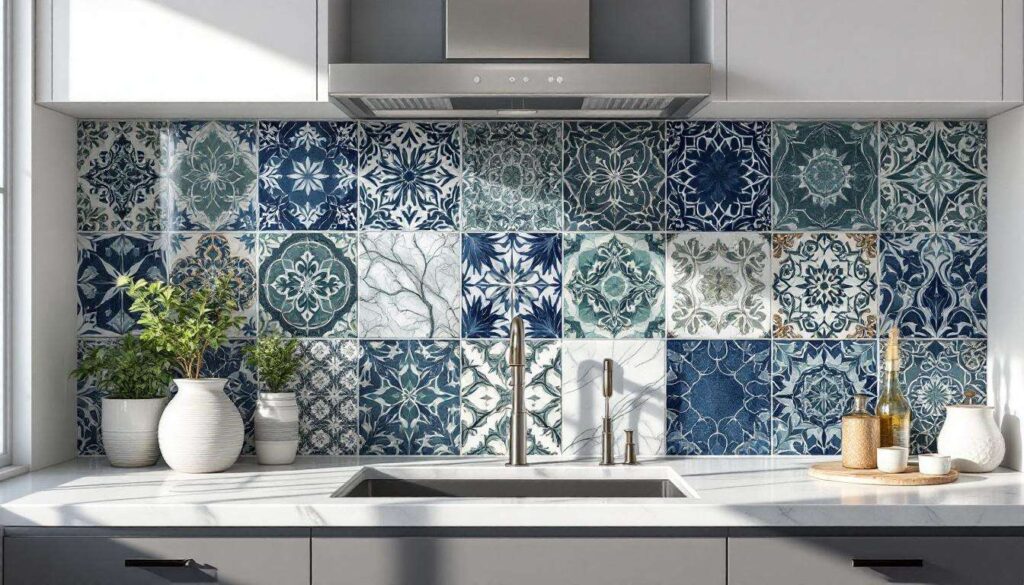
Kitchen backsplashes have evolved from purely functional surfaces into design focal points that define the character of the entire space. The right tile pattern can elevate a standard kitchen into something truly remarkable, creating visual interest and reflecting personal style. Whether renovating a dated kitchen or building from scratch, selecting the perfect tile arrangement requires understanding how different patterns interact with light, space, and surrounding elements. From classic layouts that have stood the test of time to contemporary geometric designs, the options available today offer homeowners unprecedented creative freedom.
Subway tiles: a timeless classic
The enduring appeal of the brick bond layout
The subway tile pattern remains one of the most popular choices for kitchen backsplashes, and for good reason. This arrangement, which staggers rectangular tiles in a running bond similar to traditional brickwork, creates a clean and orderly aesthetic that complements virtually any kitchen style. The pattern originated in early twentieth-century underground stations, where its practical benefits and visual appeal made it an instant success.
Standard subway tiles measure 75mm by 150mm, though variations now include larger formats such as 100mm by 200mm or 100mm by 300mm. The versatility of this pattern lies in its ability to work with various tile finishes:
- Glossy white tiles for a traditional, bright appearance
- Matte finishes for a contemporary, understated look
- Coloured glazes to introduce personality and warmth
- Bevelled edges that catch light and create subtle dimension
Grout considerations for maximum impact
The grout colour dramatically influences the final appearance of subway tile installations. White or matching grout creates a seamless, unified surface, whilst contrasting grout in grey or black emphasises the geometric pattern and adds visual texture. The width of grout lines also matters: narrow joints produce a more refined look, whilst wider spacing creates a more rustic, handcrafted feel.
Beyond the traditional horizontal orientation, subway tiles can be installed vertically to create the illusion of height, particularly beneficial in kitchens with lower ceilings. This simple rotation transforms the familiar pattern into something fresh whilst maintaining its classic appeal.
The chic of hexagonal tiles
Geometric sophistication for modern kitchens
Hexagonal tiles bring architectural interest and a distinctly contemporary feel to kitchen backsplashes. These six-sided tiles, often called honeycomb tiles, create a tessellating pattern that draws the eye and adds unexpected sophistication. Available in sizes ranging from small 25mm mosaics to large 200mm statement pieces, hexagonal tiles offer remarkable versatility in scale and impact.
The three-dimensional quality inherent in hexagonal patterns creates visual movement across the wall surface. When light hits the tiles at different angles throughout the day, the pattern appears to shift and change, adding dynamic interest to the kitchen environment. This characteristic makes hexagonal tiles particularly effective in spaces that receive natural light from multiple sources.
Material and finish combinations
Hexagonal tiles excel when mixed with different materials and finishes. Consider these popular combinations:
- Marble hexagons paired with brass fixtures for luxurious elegance
- Matte porcelain hexagons in neutral tones for Scandinavian-inspired simplicity
- Glazed ceramic hexagons in bold colours for eclectic personality
- Metallic hexagons as accent strips within neutral fields
| Hexagon size | Best suited for | Visual impact |
|---|---|---|
| 25-50mm | Small backsplash areas | Detailed, intricate appearance |
| 75-100mm | Standard kitchen backsplashes | Balanced pattern visibility |
| 150-200mm | Large, open wall spaces | Bold, dramatic statement |
The installation of hexagonal tiles requires precision and planning, as the pattern must align correctly at edges and corners. Professional installation typically yields the best results, ensuring the geometric integrity remains intact throughout the space.
Enhancing with mosaic tiles
Creating intricate visual narratives
Mosaic tiles offer unparalleled opportunities for customisation and artistic expression in kitchen backsplashes. Composed of small individual pieces typically mounted on mesh backing, mosaics can incorporate multiple colours, materials, and finishes within a single installation. This flexibility allows homeowners to create truly unique designs that reflect personal taste and complement existing décor.
Traditional glass mosaics reflect light beautifully, creating luminous surfaces that brighten even compact kitchens. Stone mosaics provide organic texture and earthy sophistication, whilst metal mosaics introduce industrial edge and contemporary glamour. The scale of mosaic tiles ranges from tiny 10mm squares to larger 50mm pieces, with each size creating distinctly different visual effects.
Pattern possibilities within mosaic installations
Mosaic tiles can be arranged in numerous configurations beyond simple grid layouts. Popular patterns include:
- Random mixed patterns for eclectic, artistic statements
- Graduated colour transitions creating ombré effects
- Bordered designs with decorative mosaic strips
- Pictorial mosaics depicting scenes or motifs
- Geometric arrangements forming larger-scale patterns
The grout colour selection proves particularly crucial with mosaic installations. Light grout tends to blend the individual pieces into a cohesive whole, whilst dark grout emphasises each tile, creating a more fragmented appearance. For kitchens seeking a seamless, unified look, matching or nearly matching grout works best.
Maintenance considerations should inform material choices: glass mosaics resist staining and clean easily, making them practical for areas behind cooktops where splashing occurs frequently. Stone mosaics may require sealing to prevent staining, particularly when installed in high-use zones.
The elegance of the chevron
Sophisticated angles and visual flow
The chevron pattern creates striking visual movement through its distinctive V-shaped zigzag arrangement. Unlike herringbone, which uses rectangular tiles with perpendicular joins, chevron tiles are cut at precise angles to form continuous, unbroken zigzag lines. This seamless geometry produces a more refined, polished appearance that suits contemporary and transitional kitchen designs.
Installing chevron patterns requires tiles specifically cut with angled ends, typically at 45 degrees. This precision cutting ensures the characteristic V-shapes align perfectly without interruption. The resulting pattern draws the eye across the backsplash, creating horizontal movement that can make narrow kitchens appear wider or emphasise the length of galley-style layouts.
Scale and orientation considerations
Chevron patterns work effectively at various scales, from narrow strips creating tight, energetic zigzags to wider planks producing bold, dramatic angles. The tile width significantly impacts the pattern’s visual rhythm:
| Tile width | Visual effect | Ideal kitchen style |
|---|---|---|
| 50-75mm | Busy, detailed pattern | Eclectic, maximalist spaces |
| 100-150mm | Balanced, classic chevron | Contemporary, transitional kitchens |
| 200mm+ | Bold, statement-making angles | Modern, minimalist designs |
Colour choices profoundly influence chevron pattern impact. Monochromatic schemes emphasise the geometric form, allowing the pattern itself to create interest through shadow and dimension. Contrasting colours amplify the zigzag effect, creating energetic, dynamic backsplashes that become true focal points.
Pattern play: the herringbone motif
Classic sophistication with contemporary appeal
The herringbone pattern arranges rectangular tiles at 90-degree angles to create a distinctive broken zigzag effect that has graced elegant interiors for centuries. This arrangement, which resembles the skeleton of a herring fish, brings architectural sophistication and visual texture to kitchen backsplashes whilst remaining versatile enough to complement both traditional and modern design schemes.
Unlike chevron, herringbone uses standard rectangular tiles without angled cuts, making it more accessible for DIY installations whilst still delivering impressive visual impact. The perpendicular arrangement creates a sense of movement and energy that prevents plain walls from appearing flat or monotonous.
Installation variations and creative adaptations
Traditional herringbone typically uses tiles measuring 50mm by 200mm or 75mm by 300mm, but contemporary interpretations embrace various proportions and orientations. Key variations include:
- Double herringbone using paired tiles for bolder pattern repetition
- Diagonal herringbone oriented at 45 degrees for maximum visual impact
- Mixed-material herringbone combining wood-look and stone-effect tiles
- Coloured herringbone featuring alternating or graduated hues
The grout line treatment significantly affects the pattern’s clarity and impact. Narrow grout lines create seamless, flowing patterns where the zigzag dominates, whilst wider joints emphasise individual tile placement and create more textured, handcrafted appearances. Contrasting grout colours highlight the geometric complexity, making the pattern more prominent and architectural.
When planning herringbone installations, consider the starting point carefully. Centring the pattern on the backsplash ensures symmetry and professional appearance, whilst edge treatments require precise cutting to maintain pattern integrity at corners and endpoints.
Playing with 3D effects
Dimensional tiles for sculptural impact
Three-dimensional tiles transform kitchen backsplashes from flat surfaces into sculptural features that interact dynamically with light and shadow. These tiles feature raised surfaces, recessed patterns, or geometric protrusions that create physical depth and visual intrigue impossible to achieve with standard flat tiles. As light moves across the kitchen throughout the day, 3D tiles continuously shift in appearance, maintaining visual interest and sophistication.
Popular 3D tile designs include wave patterns that ripple across the wall, geometric cubes that create optical illusions, and organic textures that mimic natural materials. The dimensional quality adds luxury and contemporary flair whilst maintaining practical functionality as a protective backsplash surface.
Material choices and practical considerations
Three-dimensional tiles are manufactured in various materials, each offering distinct advantages:
- Ceramic 3D tiles provide affordability and easy maintenance
- Porcelain options offer superior durability and stain resistance
- Natural stone creates organic, earthy dimensional effects
- Metal tiles deliver industrial edge with reflective properties
| 3D pattern type | Light interaction | Cleaning consideration |
|---|---|---|
| Subtle waves | Gentle shadow play | Easy to wipe clean |
| Deep geometric | Dramatic light and shadow | Requires detailed cleaning |
| Textured surfaces | Diffused light reflection | Moderate maintenance needs |
Installation of 3D tiles demands careful attention to ensure dimensional elements align correctly and create the intended visual effect. The grout colour selection proves particularly important: matching grout allows the dimensional pattern to dominate, whilst contrasting grout emphasises tile edges and can fragment the overall effect.
Lighting design complements 3D tile installations beautifully. Under-cabinet lighting positioned to graze across the textured surface amplifies the dimensional effect, creating dramatic shadows that enhance the architectural quality of the backsplash.
Transforming a kitchen backsplash from functional necessity to design statement requires thoughtful pattern selection that harmonises with the overall space whilst expressing individual style. Whether choosing the timeless appeal of subway tiles, the geometric sophistication of hexagons, the artistic possibilities of mosaics, the elegant movement of chevron or herringbone, or the sculptural drama of 3D effects, each pattern offers unique opportunities to elevate kitchen design. The key lies in understanding how pattern scale, material choice, colour palette, and installation orientation work together to create cohesive, visually compelling results that enhance daily life in the heart of the home.