


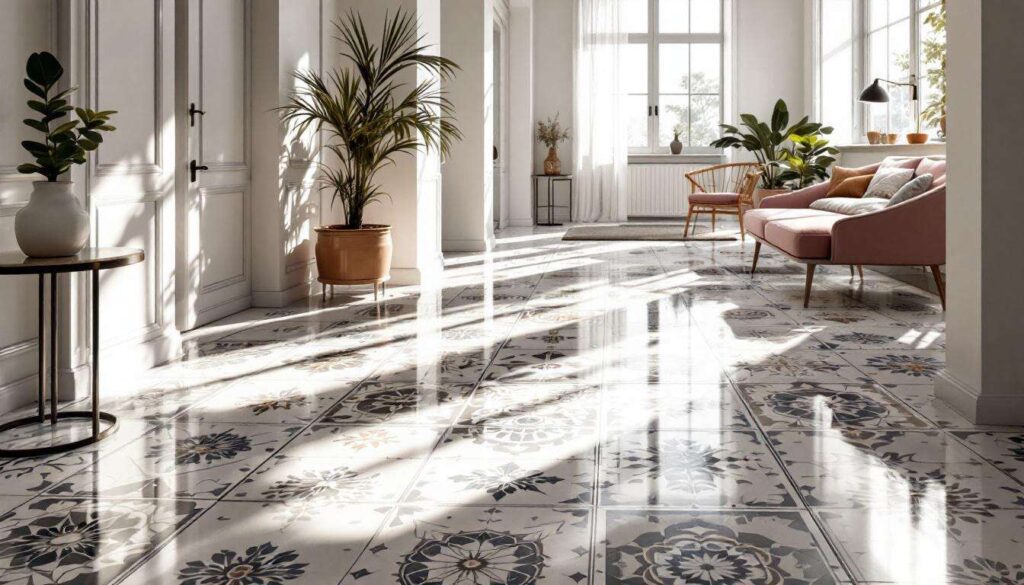
Flooring has long been considered a functional necessity rather than a decorative statement, but that perception is rapidly changing. Homeowners seeking to inject personality into their living spaces without breaking the bank are rediscovering an old technique with fresh appeal. Stencilled floors offer a unique way to transform tired surfaces into eye-catching features, combining artistic expression with practical home improvement. This cost-effective approach allows anyone with basic DIY skills to create custom patterns that rival expensive tiling or specialist installations.
The resurgence of stencilled floors: a new decor trend
From historical roots to contemporary appeal
Stencilled floors have a rich heritage dating back centuries, when homeowners used this technique to mimic costly materials. Today’s revival draws on that historical authenticity whilst embracing modern aesthetics. Interior designers have noticed a marked shift towards personalised spaces, with stencilled floors featuring prominently in design publications and social media platforms.
Why this trend is gaining momentum
Several factors contribute to the renewed interest in stencilled flooring:
- Economic considerations driving demand for affordable decorating solutions
- Growing appreciation for handcrafted, unique home features
- Increased confidence in DIY projects following widespread online tutorials
- Environmental awareness encouraging renovation over replacement
- Desire for distinctive interiors that reflect individual taste
The accessibility of materials and techniques has democratised what was once a specialised craft, allowing ordinary homeowners to achieve professional-looking results. This democratisation has naturally led to questions about the practical aspects of implementing such projects.
The stencil: an affordable and creative method
Cost comparison with traditional flooring options
| Flooring option | Average cost per square metre | Installation complexity |
|---|---|---|
| Stencilled floor | £15-30 | Low to moderate |
| Ceramic tiles | £40-80 | High |
| Hardwood | £50-120 | High |
| Luxury vinyl | £30-60 | Moderate |
Materials required for stencilling projects
The beauty of stencilled floors lies in their minimal material requirements. Basic supplies include:
- Stencil templates in your chosen design
- Floor paint suitable for high-traffic areas
- Base coat paint or primer
- Protective sealant or varnish
- Application tools such as rollers, brushes, or sponges
- Painter’s tape for securing stencils
- Cleaning supplies for surface preparation
Most of these items are readily available from local hardware stores, making this accessible to anyone with a modest budget. Understanding the financial advantages naturally leads to exploring the broader benefits this technique offers.
The benefits of stencilled floors in interior decoration
Versatility across different room styles
Stencilled floors adapt remarkably well to various design aesthetics. Whether your home features minimalist Scandinavian influences, rustic farmhouse charm, or bold contemporary statements, appropriate stencil patterns exist to complement your vision. The technique works equally well on wooden floorboards, concrete surfaces, and even existing vinyl or linoleum.
Practical advantages beyond aesthetics
Beyond visual appeal, stencilled floors offer functional benefits:
- Concealment of imperfections in existing flooring
- Protection of underlying surfaces through sealed paint layers
- Easy modification or updating when tastes change
- Opportunity to define zones within open-plan spaces
- Addition of visual interest to small or awkward rooms
Environmental considerations
Choosing to stencil existing floors rather than replace them represents an environmentally responsible decision. This approach reduces waste, minimises resource consumption, and extends the life of current materials. Using low-VOC paints further enhances the ecological credentials of this decorating method.
With these compelling advantages established, the question becomes how to select designs that will work harmoniously within your specific space.
How to choose the right stencil pattern for your space
Matching patterns to room size and function
Pattern selection significantly impacts the perceived dimensions of a room. Large-scale geometric designs can make spacious areas feel more intimate, whilst delicate patterns prevent small rooms from feeling overwhelmed. Consider the room’s purpose: high-traffic areas benefit from busier patterns that disguise wear, whereas bedrooms might suit calmer, more contemplative designs.
Popular stencil styles and their effects
- Moroccan tiles: create exotic, luxurious atmosphere
- Herringbone patterns: add sophistication and movement
- Floral motifs: bring softness and traditional charm
- Geometric shapes: offer modern, structured appeal
- Border designs: define spaces without overwhelming them
Colour considerations for maximum impact
Colour choices profoundly influence the final result. Contrasting tones create dramatic, attention-grabbing floors, whilst tonal variations produce subtle, sophisticated effects. Consider existing furnishings, wall colours, and natural light levels when selecting your palette. Testing colours on inconspicuous areas before committing to the entire floor proves invaluable.
Armed with design knowledge, the practical execution of your vision requires methodical preparation and careful technique.
Step-by-step guide to creating a stencilled floor
Surface preparation essentials
Proper preparation determines the longevity and appearance of your stencilled floor. Begin by thoroughly cleaning the surface, removing all dirt, grease, and previous polish. Sand wooden floors lightly to create texture for paint adhesion. Fill any cracks or holes with appropriate filler, allowing adequate drying time. Apply primer if working on particularly porous or stained surfaces.
Application technique for professional results
The stencilling process requires patience and attention to detail:
- Apply base coat evenly across the entire floor
- Allow base coat to dry completely before stencilling
- Secure stencil firmly using painter’s tape
- Apply paint sparingly to avoid bleeding under stencil edges
- Use dabbing motion rather than brushing strokes
- Remove stencil carefully whilst paint is still slightly wet
- Clean stencil between applications to maintain crisp edges
- Work systematically across the floor to maintain pattern alignment
Sealing and finishing touches
Once the stencilled design has dried thoroughly, apply at least two coats of durable floor sealant. This protective layer ensures your artistic efforts withstand daily wear. Choose between matte, satin, or gloss finishes depending on your aesthetic preferences and practical requirements.
Creating a beautiful stencilled floor represents only half the journey; maintaining its appearance ensures lasting enjoyment.
Maintain your stencilled floor to keep it stunning
Daily and weekly care routines
Regular maintenance preserves the vibrancy and integrity of stencilled floors. Sweep or vacuum daily to remove abrasive dirt particles. Clean weekly with a damp mop and mild detergent, avoiding excessive water that might compromise the paint layers. Place protective mats in high-traffic areas and use furniture pads to prevent scratching.
Long-term preservation strategies
Every few years, assess whether your floor requires additional sealing. High-traffic areas may show wear before others, necessitating touch-ups. Keep leftover paint for repairs, storing it properly to maintain usability. Consider reapplying sealant annually in particularly busy spaces to extend the life of your decorative work.
When to refresh or redesign
The beauty of stencilled floors lies in their adaptability. Should your tastes evolve or wear become noticeable, simply sand lightly and apply a new design. This flexibility allows your flooring to grow with your style preferences without requiring complete replacement.
Stencilled floors represent a convergence of creativity, economy, and practicality that appeals to modern homeowners. This technique transforms ordinary surfaces into personalised statements whilst respecting both budgets and environmental concerns. The accessibility of materials and straightforward application process empowers anyone to achieve professional-looking results. Whether refreshing a single room or reimagining multiple spaces, stencilled floors offer endless possibilities for those willing to invest time and imagination. The enduring appeal of this method lies not merely in its aesthetic outcomes but in the satisfaction of creating something uniquely yours.