



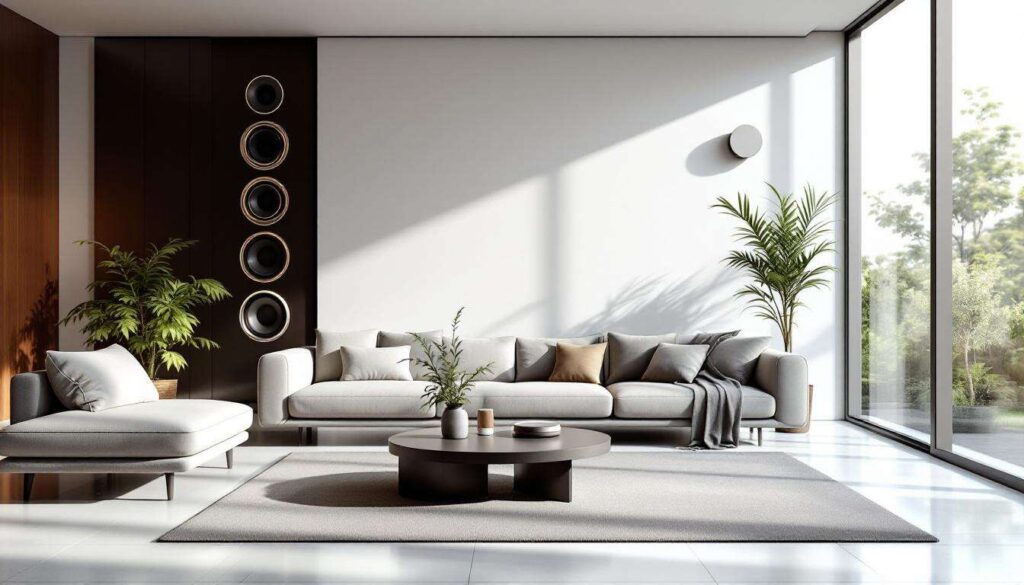
The British design community has spoken, and their message is clear: smart home technology must embrace simplicity over complexity. As households across the UK increasingly integrate connected devices into their living spaces, designers are advocating for a fundamental shift in approach. Rather than overwhelming users with endless features and convoluted systems, the focus is now on creating intuitive experiences that genuinely enhance daily life. This philosophy represents a maturation of the smart home industry, moving away from technology for technology’s sake towards purposeful innovation that serves real human needs.
Evolution of smart home technologies in the UK
From novelty to necessity
The journey of smart home technology in the UK has been marked by significant transformation. What began as expensive novelties reserved for early adopters has evolved into mainstream solutions found in millions of homes. The initial phase was characterised by fragmented ecosystems where devices from different manufacturers rarely communicated effectively. Homeowners faced frustration with incompatible systems, requiring multiple applications and complicated setup procedures.
Market penetration and adoption rates
Recent data illustrates the remarkable growth trajectory of smart home adoption across the UK:
| Device Category | Household Penetration | Average Devices per Home |
|---|---|---|
| Smart Speakers | 52% | 2.3 |
| Smart Thermostats | 28% | 1.1 |
| Smart Lighting | 34% | 4.7 |
| Security Systems | 19% | 3.2 |
These figures demonstrate that smart home technology has moved beyond niche markets into everyday British households. The proliferation of devices has created both opportunities and challenges, setting the stage for the current emphasis on simplification.
Simplicity at the heart of innovations
Design philosophy transformation
British designers are championing a radical rethinking of smart home technology. The new paradigm prioritises user experience above technical specifications. This approach recognises that the most sophisticated technology is worthless if users cannot easily access its benefits. The shift represents a maturation of the industry, acknowledging that complexity has become a barrier rather than a selling point.
Core principles of simplified design
The movement towards simplicity is guided by several fundamental principles:
- Single-interface control that consolidates multiple device management into one intuitive platform
- Automated routines that require minimal user input whilst delivering maximum benefit
- Voice-first interactions that eliminate the need for physical interfaces
- Contextual awareness that allows systems to anticipate user needs without explicit commands
- Invisible technology that operates seamlessly in the background
These principles reflect a human-centred approach where technology adapts to people rather than forcing people to adapt to technology. The emphasis is on creating systems that feel natural and require minimal learning curves.
Reducing cognitive load
One of the primary objectives of simplified smart home design is minimising the cognitive burden placed on users. Complex systems with numerous options and settings can overwhelm homeowners, leading to underutilisation of available features. By streamlining interfaces and automating routine decisions, designers enable users to enjoy the benefits of smart technology without the mental overhead of constant management.
How British designers define home automation in 2026
Integration over isolation
British designers are advocating for holistic ecosystems rather than collections of isolated devices. This vision involves seamless interoperability where products from various manufacturers work together harmoniously. The fragmentation that plagued earlier smart home implementations is being replaced by unified platforms that present a consistent user experience regardless of underlying hardware.
Proactive rather than reactive systems
The contemporary definition of home automation emphasises predictive intelligence. Rather than waiting for explicit user commands, systems learn patterns and anticipate needs. For example, heating adjusts automatically based on occupancy patterns and weather forecasts, whilst lighting adapts to time of day and natural light levels without requiring manual intervention.
Sustainability and efficiency
British designers are incorporating environmental considerations into their smart home visions. The focus extends beyond convenience to include:
- Energy optimisation that reduces consumption without compromising comfort
- Resource monitoring that provides insights into usage patterns
- Integration with renewable energy sources and smart grid technologies
- Longevity of devices through software updates rather than hardware replacement
This sustainability-conscious approach aligns with broader UK environmental goals whilst delivering tangible cost savings to homeowners.
The impact of simple technologies on users’ daily lives
Time savings and convenience
Simplified smart home systems deliver measurable improvements to daily routines. Users report significant time savings through automated tasks that previously required manual attention. Morning routines become smoother when lighting, heating, and coffee preparation occur automatically. Evening sequences that secure the home, adjust climate settings, and prepare the environment for rest happen without conscious effort.
Accessibility benefits
The simplification of smart home technology has profound implications for accessibility. Voice control and automated systems particularly benefit individuals with mobility limitations or visual impairments. Technology that once required physical interaction with switches and controls now responds to voice commands or operates autonomously based on learned preferences.
Reduced technical anxiety
Perhaps the most significant impact is the democratisation of smart home technology. By eliminating complexity, designers have made these systems accessible to users who previously felt intimidated by technical requirements. Elderly residents, in particular, benefit from simplified interfaces that don’t require extensive technical knowledge or smartphone proficiency.
Shift towards intuitive and user-friendly interfaces
Natural language processing advances
The evolution of voice interfaces has been central to the simplification movement. Modern systems understand natural speech patterns, context, and even ambiguous commands. Users no longer need to memorise specific phrases or command structures; they simply speak naturally and the system interprets intent.
Visual design minimalism
When visual interfaces are necessary, designers are embracing minimalist principles. Screens display only essential information, avoiding the cluttered dashboards that characterised earlier systems. Colour coding, intuitive icons, and clear typography ensure that users can quickly grasp system status and make adjustments when needed.
Adaptive learning systems
Modern smart home interfaces learn from user behaviour and adapt accordingly. The most frequently used functions become more prominent, whilst rarely accessed features recede into the background. This personalisation ensures that each household’s interface reflects their unique patterns and priorities.
Challenges and prospects of technological simplification
Balancing simplicity with functionality
Designers face the ongoing challenge of maintaining capabilities whilst reducing complexity. The risk is oversimplification that limits what advanced users can achieve. The solution lies in layered interfaces that present simple options by default but allow access to advanced features for those who want them.
Privacy and security considerations
Simplified systems that operate autonomously raise important privacy questions. The data collection necessary for predictive intelligence must be balanced against user privacy rights. British designers are addressing these concerns through:
- Transparent data policies that clearly explain what information is collected and how it’s used
- Local processing that keeps sensitive data within the home rather than transmitting it to cloud servers
- User control over data sharing and retention
- Robust security measures that protect against unauthorised access
Future directions
The trajectory towards simplification shows no signs of reversing. Future developments will likely include even more seamless integration between devices and greater predictive capabilities. Artificial intelligence will play an increasingly important role, enabling systems to understand context and make sophisticated decisions whilst maintaining simple user interactions.
The transformation of smart home technology from complex systems to simplified solutions represents a significant milestone in the industry’s evolution. British designers have demonstrated that sophistication need not equal complication, and that the most advanced technology is often that which operates invisibly in the background. As adoption continues to grow, the emphasis on intuitive design and user-friendly interfaces will ensure that smart home benefits reach the broadest possible audience, fundamentally changing how we interact with our living spaces for the better.