


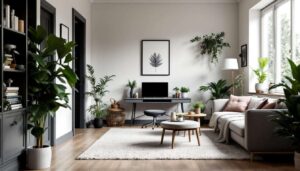
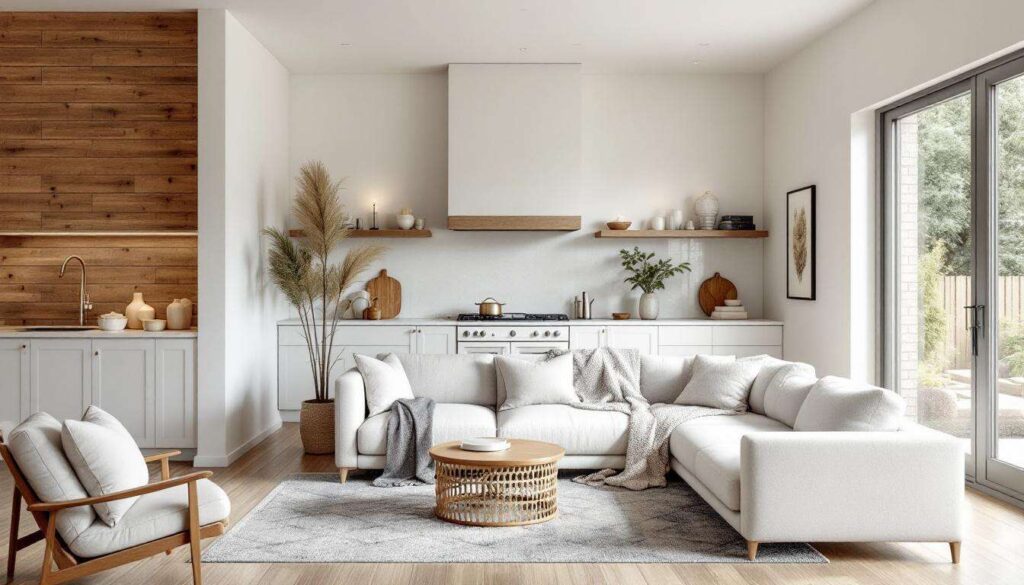
Joanna Gaines has long been synonymous with farmhouse style, a design aesthetic that transformed American interiors through her popular television series and home décor brand. Her signature approach—characterised by shiplap walls, rustic wood accents, and vintage accessories—captured the hearts of homeowners seeking warmth and authenticity. However, the farmhouse style she championed is undergoing a remarkable transformation, emerging with a more refined sensibility that balances its rural roots with contemporary sophistication. This evolution reflects broader shifts in design preferences, where minimalism meets tradition and where quality craftsmanship takes precedence over purely decorative elements.
The evolution of Joanna Gaines’ farmhouse style
From rustic beginnings to polished aesthetics
The original farmhouse style popularised by Joanna Gaines embraced a deliberately weathered appearance, celebrating imperfections and the charm of reclaimed materials. Distressed furniture, exposed beams, and an abundance of farmhouse sinks became hallmarks of this aesthetic. The colour palette typically revolved around neutral tones—whites, creams, and soft greys—punctuated by natural wood finishes.
The updated interpretation maintains these foundational elements whilst introducing greater refinement in execution. Rather than overtly rustic finishes, the new approach favours:
- Cleaner lines with subtle texture
- More deliberate colour choices that extend beyond neutrals
- Sophisticated layering of materials
- Carefully curated vintage pieces rather than abundant collections
The shift towards intentional design
Where earlier iterations might have featured every available surface adorned with decorative objects, the evolved farmhouse style embraces negative space and intentionality. Each element serves a purpose, whether functional or aesthetic, creating environments that feel thoughtfully composed rather than accidentally assembled. This shift reflects a maturation in design thinking, where less truly becomes more.
| Traditional farmhouse | Refined farmhouse |
|---|---|
| Heavy distressing | Subtle patina |
| Abundant décor | Curated selections |
| Strictly neutral palette | Expanded colour range |
| Obvious vintage pieces | Integrated antiques |
This transformation hasn’t occurred in isolation but rather responds to changing tastes and contemporary design movements that are reshaping interior spaces globally.
Contemporary influences on farmhouse style
Scandinavian minimalism meets rural charm
One of the most significant influences on the refined farmhouse aesthetic comes from Scandinavian design principles. The Nordic emphasis on functionality, clean lines, and quality materials has seamlessly merged with farmhouse warmth. This fusion creates spaces that feel both inviting and uncluttered, where every item has earned its place through beauty or utility.
The Scandinavian influence manifests through:
- Streamlined furniture silhouettes
- Emphasis on natural light
- Organic textures in textiles and finishes
- Restrained colour palettes with strategic accent colours
Industrial elements add edge
The incorporation of industrial design elements provides an unexpected counterpoint to farmhouse softness. Metal accents, exposed pipes, and concrete surfaces introduce visual interest whilst maintaining the authentic, unpretentious spirit of farmhouse design. These harder materials create dynamic contrast against wood and textiles, preventing spaces from feeling overly saccharine or predictable.
Global influences broaden the palette
Contemporary farmhouse style now draws inspiration from international design traditions, incorporating elements from Mediterranean, Japanese, and even Moroccan aesthetics. This global perspective enriches the farmhouse vocabulary with new textures, patterns, and colour stories that extend beyond the traditional neutral foundation. The result is a more cosmopolitan interpretation that retains its grounded, welcoming character whilst embracing worldly sophistication.
These diverse influences converge through the thoughtful selection of materials that define the updated aesthetic.
Refined and innovative materials
Elevated natural materials
The refined farmhouse approach prioritises high-quality natural materials over artificially aged reproductions. Instead of distressed pine, designers now favour white oak, walnut, and European beech with their inherent beauty showcased rather than concealed. Stone selections have similarly evolved, with honed marble, limestone, and terrazzo replacing exclusively rustic slate and rough-hewn granite.
Material choices now emphasise:
- Authentic ageing rather than manufactured distressing
- Sustainable and ethically sourced options
- Tactile variety that invites interaction
- Longevity and timeless appeal
Innovative finishes and techniques
Modern fabrication techniques allow for sophisticated finishes that maintain farmhouse character whilst appearing decidedly contemporary. Lime-washed walls provide texture without heaviness, whilst matte black fixtures offer sleek contrast to natural wood tones. Plaster finishes, terrazzo surfaces, and brushed metals contribute to a refined material palette that feels both current and enduring.
| Material category | Traditional choice | Refined alternative |
|---|---|---|
| Wood | Distressed pine | White oak with natural finish |
| Metal | Oil-rubbed bronze | Brushed brass or matte black |
| Stone | Rough granite | Honed marble or limestone |
| Textiles | Heavy burlap | Linen and organic cotton |
These material selections support a broader design philosophy that seeks harmony between historical precedent and contemporary living.
The balance between tradition and modernity
Respecting architectural heritage
The refined farmhouse style demonstrates deep respect for architectural integrity whilst accommodating modern lifestyles. Original features such as exposed beams, brick walls, and hardwood floors receive careful restoration rather than heavy-handed renovation. Where historical elements are absent, new additions reference traditional craftsmanship through proportions, materials, and detailing rather than literal reproduction.
Integrating modern conveniences
Contemporary technology and appliances integrate seamlessly into the refined farmhouse aesthetic through thoughtful concealment and design selection. Panel-ready appliances disappear behind cabinetry, whilst carefully chosen fixtures in complementary finishes ensure modern conveniences enhance rather than detract from the overall aesthetic. Smart home technology operates invisibly, maintaining the tactile, analogue feeling that defines farmhouse appeal.
Successful integration strategies include:
- Custom cabinetry that conceals modern appliances
- Vintage-inspired fixtures with contemporary performance
- Discreet placement of technology and charging stations
- Furniture designs that accommodate modern media equipment
Creating functional beauty
The balance between tradition and modernity ultimately serves practical living requirements. Open-plan layouts accommodate contemporary family life whilst maintaining defined zones through furniture arrangement and architectural details. Storage solutions hide clutter without sacrificing character, and durable, washable materials ensure spaces remain beautiful despite daily use. This functional approach ensures the refined farmhouse style serves real homes rather than merely photogenic vignettes.
This practical philosophy extends beyond individual homes to influence broader design trends and consumer preferences.
The impact of the 2026 farmhouse style on interior decoration
Shifting consumer preferences
The evolution towards refined farmhouse aesthetics reflects and shapes changing consumer attitudes towards home design. Homeowners increasingly value quality over quantity, seeking pieces that will endure both physically and stylistically. This shift supports sustainable consumption patterns and encourages investment in craftsmanship rather than disposable décor.
Influence on the design industry
Manufacturers and retailers have responded to this refined aesthetic by offering more sophisticated product lines that bridge farmhouse charm and contemporary design. Furniture makers produce pieces with cleaner silhouettes, lighting designers create fixtures that balance industrial and organic elements, and textile companies develop fabrics that feel both luxurious and approachable.
Industry adaptations include:
- Expanded colour offerings beyond strict neutrals
- Higher-quality materials at various price points
- Modular and adaptable furniture systems
- Collaborations between traditional craftspeople and contemporary designers
Broader cultural implications
The refined farmhouse movement represents a cultural reconciliation between nostalgia and progress. It acknowledges the appeal of simpler times whilst embracing the benefits of modern innovation. This philosophical balance resonates beyond interior design, reflecting broader societal desires for authenticity, sustainability, and meaningful connection to both past and present.
These cultural values help explain why farmhouse style, despite its evolution, maintains enduring appeal across diverse demographics.
Why does the farmhouse style remain timeless ?
Universal appeal of natural materials
Farmhouse style’s foundation in natural materials ensures its continued relevance regardless of passing trends. Wood, stone, and natural fibres possess inherent beauty that transcends stylistic movements. These materials age gracefully, developing character over time rather than appearing dated. Their tactile qualities create sensory experiences that synthetic alternatives cannot replicate, fostering emotional connections to spaces.
Adaptability across contexts
The farmhouse aesthetic demonstrates remarkable flexibility in application, adapting to urban apartments, suburban homes, and rural properties alike. Its principles translate across architectural styles and geographical locations, making it accessible to diverse audiences. This adaptability allows individuals to interpret farmhouse elements according to personal preferences and practical constraints, ensuring the style remains personally meaningful rather than prescriptive.
Emotional resonance and comfort
Perhaps most significantly, farmhouse style endures because it prioritises comfort and emotional wellbeing. In an increasingly complex world, homes designed with farmhouse principles offer refuge and restoration. The emphasis on natural light, organic materials, and uncluttered spaces creates environments that support mental health and family connection. This fundamental alignment with human needs ensures farmhouse style will continue evolving rather than disappearing.
The refined farmhouse aesthetic represents not an abandonment of Joanna Gaines’ original vision but rather its natural maturation. By incorporating contemporary influences, elevated materials, and sophisticated execution, this evolved style maintains the warmth and authenticity that made farmhouse design beloved whilst meeting the aesthetic and functional demands of modern living. The balance achieved between rustic charm and refined elegance ensures this approach will continue influencing interior design, offering homeowners a pathway to create spaces that honour tradition whilst embracing the present. As design preferences continue shifting, the farmhouse style’s core principles—authenticity, quality, and comfort—will likely ensure its relevance for years to come.