



Waterlogged lawns can transform your garden into an unsightly swamp, damaging plants and creating hazardous conditions underfoot. A French drain offers a cost-effective solution to redirect excess water away from problem areas, protecting your property from moisture damage. While professional installation can be expensive, this drainage system is surprisingly straightforward to install yourself with the right knowledge and preparation. Understanding the fundamentals of French drain construction will empower you to tackle this project with confidence, saving hundreds of pounds whilst achieving professional-quality results.
Understanding the concept of a French drain
What exactly is a French drain
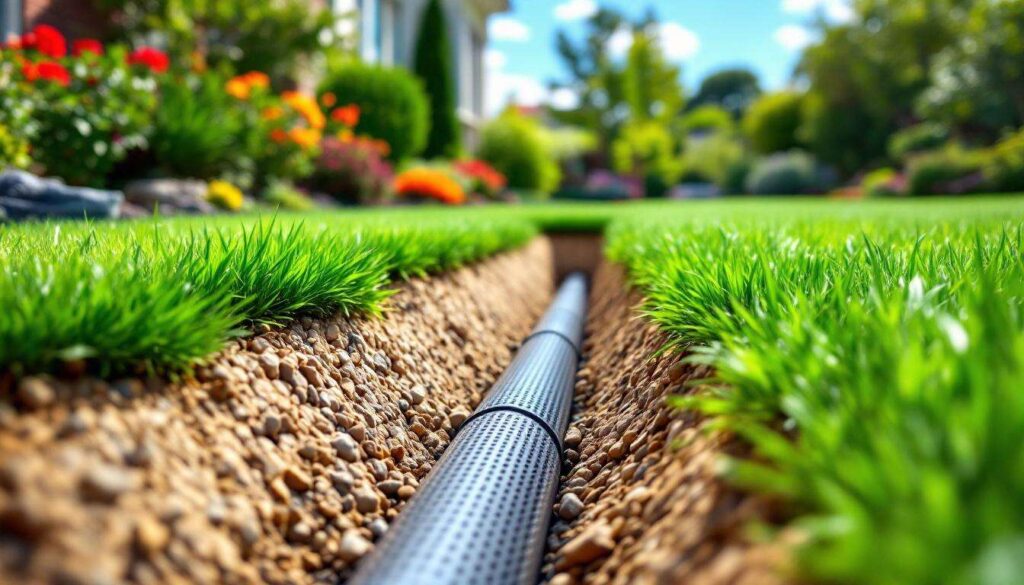
A French drain is a gravel-filled trench containing a perforated pipe that redirects surface water and groundwater away from specific areas. Despite its name, this drainage solution originated in the United States, invented by Henry French in 1859. The system works through gravity, channelling water along a gradual slope towards a designated drainage point such as a storm drain, dry well, or low-lying area of your property.
How the drainage mechanism functions
The effectiveness of a French drain relies on several key principles:
- Water naturally flows from high to low points following the path of least resistance
- Gravel creates void spaces that allow water to move freely whilst filtering out debris
- Perforated pipes collect water from the surrounding gravel and transport it efficiently
- Landscape fabric prevents soil particles from clogging the gravel and pipe system
The perforations in the pipe face downwards, allowing water to enter from below whilst preventing soil infiltration from above. This configuration ensures maximum drainage efficiency and longevity of the system.
Identifying when your lawn needs drainage intervention
Several warning signs indicate that your lawn would benefit from a French drain installation. Standing water that persists for more than 24 hours after rainfall suggests poor drainage. Soggy patches that feel spongy underfoot, even during dry periods, reveal underlying water accumulation. Foundation dampness, basement flooding, or water stains on exterior walls demonstrate serious drainage issues requiring immediate attention.
With this foundational knowledge established, selecting appropriate materials becomes the next critical consideration.
Choosing the right materials for effective drainage
Selecting the appropriate pipe specifications
Perforated drainage pipes come in various materials and diameters. For residential applications, 100mm diameter corrugated plastic pipes provide adequate capacity for most lawn drainage needs. Rigid PVC pipes offer greater durability but cost more and prove harder to manoeuvre around obstacles. Flexible corrugated pipes adapt easily to curves whilst maintaining structural integrity.
| Pipe Type | Cost per Metre | Lifespan | Flexibility |
|---|---|---|---|
| Corrugated plastic | £3-£5 | 30-40 years | High |
| Rigid PVC | £6-£9 | 50+ years | Low |
| Clay pipes | £8-£12 | 100+ years | None |
Choosing gravel and aggregate materials
The gravel surrounding your drainage pipe serves multiple functions. Washed pea gravel between 10-20mm diameter works exceptionally well, providing adequate void space whilst preventing pipe collapse. Avoid using crushed limestone, as it can cement together over time, reducing drainage efficiency. Calculate approximately 0.75 cubic metres of gravel per linear metre of trench that measures 300mm wide and 600mm deep.
Landscape fabric considerations
Non-woven geotextile fabric prevents soil migration into your gravel whilst allowing water to pass through freely. Choose fabric with a minimum weight of 140gsm for durability. Woven fabrics offer superior strength but may restrict water flow in clay-heavy soils. Ensure you purchase sufficient fabric to line the entire trench with at least 300mm overlap on all sides.
Once materials are assembled, proper ground preparation ensures installation success.
Preparing the ground for drain installation
Planning the drainage route strategically
Begin by identifying the water source and determining the optimal discharge location. The drain must slope consistently at a minimum gradient of 1:100, meaning a 10mm drop per metre of length. Mark your planned route with spray paint or stakes, ensuring the path avoids underground utilities, tree roots, and structural foundations. Contact your local utility companies to mark buried cables, pipes, and services before excavation begins.
Calculating the required trench dimensions
Trench specifications depend on your drainage requirements:
- Minimum depth of 450mm for lawn drainage applications
- Width of 300mm provides adequate space for pipe and gravel
- Deeper trenches of 600-900mm suit areas with severe flooding
- Wider trenches accommodate larger diameter pipes when necessary
Excavation techniques for optimal results
Remove turf carefully in sections if you plan to replace it after installation. Excavate the trench methodically, maintaining consistent width and checking the gradient regularly with a spirit level and straight edge. Pile excavated soil on tarpaulins to protect surrounding lawn areas and facilitate backfilling. Compact the trench bottom firmly to prevent future settling that could disrupt drainage flow.
With preparation complete, the actual installation process can commence.
Steps to install a French drain
Laying the foundation layer
Line the trench completely with landscape fabric, allowing generous overlap on all sides. Pour a 50mm base layer of gravel and level it carefully, ensuring the gradient remains consistent throughout. This foundation layer provides a stable bed for the drainage pipe whilst beginning the filtration process.
Installing the perforated pipe correctly
Position the drainage pipe with perforations facing downwards along the gravel base. Connect pipe sections using appropriate couplers, ensuring watertight seals at all joints. Install an inspection chamber or cleanout access point every 15 metres for future maintenance. The pipe outlet should discharge into a suitable drainage point, protected by a rodent guard to prevent blockages.
Completing the gravel surround
Cover the installed pipe with gravel until approximately 50mm below ground level. Pour gravel carefully to avoid displacing the pipe from its correct position. Fold the landscape fabric over the gravel layer, overlapping edges by at least 150mm to create a complete barrier against soil infiltration.
Final backfilling and surface restoration
Add a layer of topsoil over the fabric, bringing the surface level with surrounding ground. Compact soil gently to prevent excessive settling. Replace turf sections or reseed the area, watering thoroughly to establish growth. Mark the drain location on a property plan for future reference during landscaping or construction projects.
Proper maintenance practices will preserve your drainage system’s effectiveness for decades.
Maintenance tips to ensure the drain’s longevity
Regular inspection protocols
Examine the drain outlet quarterly to ensure unobstructed water flow. Check for standing water above the drain after heavy rainfall, which may indicate blockages or inadequate gradient. Inspect access points annually, flushing the system with a garden hose to remove accumulated sediment.
Preventing common blockage issues
Maintain vegetation around the drain carefully:
- Keep trees and shrubs at least 3 metres from the drain line
- Remove leaf litter from the surface above the drain regularly
- Avoid driving vehicles over the drain location to prevent pipe crushing
- Monitor for subsidence indicating soil infiltration or pipe collapse
Seasonal maintenance requirements
Autumn demands particular attention as falling leaves can overwhelm drainage systems. Clear surface debris before winter to prevent ice formation blocking the pipe. Spring inspections should verify that winter freeze-thaw cycles haven’t disrupted the drainage gradient. Summer represents the ideal time for thorough system flushing and any necessary repairs.
Despite preventative measures, drainage issues occasionally arise requiring troubleshooting.
Solving common drainage problems
Addressing insufficient water removal
If water continues pooling after installation, verify the gradient using a spirit level along the drain length. Insufficient slope represents the most common installation error. Installing a secondary parallel drain may prove necessary in areas with extremely heavy clay soil or high water tables. Consider connecting multiple drains to a central collection point for improved efficiency.
Resolving pipe blockages effectively
Blocked drains typically result from soil infiltration through inadequate fabric coverage or root intrusion. Use a plumber’s snake or high-pressure water jet through access points to clear obstructions. Persistent blockages may require excavating affected sections to replace damaged pipe or reinforce fabric barriers.
Correcting surface subsidence
Sunken areas above the drain indicate either inadequate soil compaction or pipe collapse. Excavate the affected section to assess damage. Replace crushed pipes and add additional gravel before backfilling with well-compacted soil. Prevention involves avoiding vehicle traffic and using rigid pipe in areas subject to loading.
A properly installed French drain transforms waterlogged lawns into healthy, usable outdoor spaces. The investment of time and modest material costs delivers lasting protection against water damage whilst enhancing property value. Following professional installation techniques and maintaining your drainage system diligently ensures decades of reliable performance, keeping your lawn dry and your foundation secure regardless of weather conditions.