



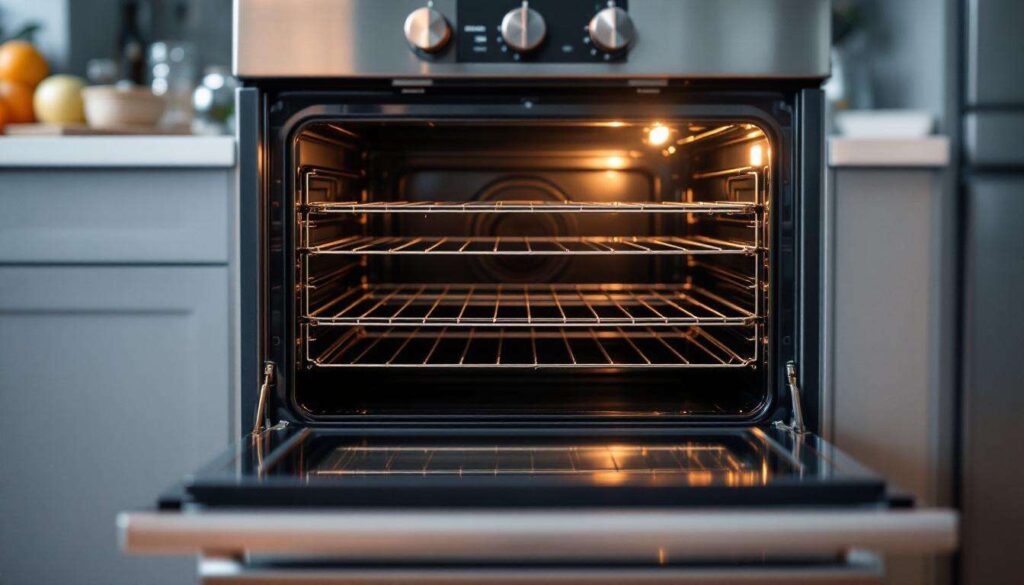
Oven racks bear the brunt of roasting, baking and grilling, accumulating layers of stubborn grease and burnt food residues over time. These grimy deposits not only detract from the appearance of your kitchen appliances but can also affect cooking performance and create unpleasant odours. Fortunately, restoring oven racks to their original gleaming condition doesn’t require expensive commercial products or professional services. With a few household staples and the right techniques, anyone can tackle this cleaning challenge effectively and achieve professional results at home.
Why clean your oven racks regularly ?
Health and hygiene considerations
Maintaining clean oven racks is essential for food safety and kitchen hygiene. Accumulated grease and food particles can harbour bacteria that may contaminate freshly prepared meals. When racks are covered in burnt residues, these carbonised deposits can transfer unwanted flavours to your cooking, affecting the taste of everything from roasted vegetables to baked desserts. Regular cleaning prevents cross-contamination between different dishes and ensures that each meal tastes exactly as intended.
Performance and efficiency benefits
Dirty oven racks can impact the overall efficiency of your appliance. Excessive build-up creates barriers that interfere with proper heat circulation, potentially leading to uneven cooking results. Clean racks allow hot air to flow freely around food, ensuring consistent temperatures throughout the oven cavity. Additionally, removing accumulated grime reduces the risk of smoke production during high-temperature cooking, which can trigger smoke alarms and create an unpleasant cooking environment.
Extending appliance lifespan
Regular maintenance of oven racks contributes to the longevity of your entire appliance. Corrosive food acids and grease can gradually damage the protective coating on metal racks, leading to rust formation and structural weakening. By implementing a consistent cleaning routine, you protect your investment and avoid the expense of premature rack replacement. Understanding these benefits naturally leads to the question of what supplies you’ll need to achieve optimal results.
Necessary materials for an effective cleaning
Basic cleaning supplies
Before beginning any rack cleaning project, gather the essential materials to ensure a smooth and efficient process. Most methods require items already available in typical households:
- Baking soda: a versatile, non-toxic cleaning agent that cuts through grease
- White vinegar: provides natural acidity to dissolve stubborn deposits
- Washing-up liquid: effective for general degreasing and daily maintenance
- Scrubbing brushes or sponges: essential for mechanical removal of loosened grime
- Rubber gloves: protect hands from hot water and cleaning solutions
- Large cleaning space: bathtub, utility sink, or outdoor area for soaking
Optional enhanced cleaning agents
For particularly challenging cleaning situations, consider adding these specialised products to your arsenal. Washing soda, which is more alkaline than baking soda, provides extra cleaning power for heavily soiled racks. Commercial cleaners designed specifically for baked-on grease can tackle the most stubborn deposits when natural methods prove insufficient. Always ensure adequate ventilation when using stronger chemical solutions and follow manufacturer instructions carefully.
Protective measures and preparation
Protecting surrounding surfaces is crucial when undertaking this cleaning task. If using a bathtub, lay down old towels to prevent scratching the enamel surface. For outdoor cleaning, choose a location away from plants that might be sensitive to cleaning solutions. Having all materials prepared and within reach before starting saves time and prevents interruptions during the cleaning process. With your supplies assembled, you’re ready to explore the first proven cleaning technique.
Traditional baking soda method
Creating the cleaning paste
The baking soda method remains one of the most popular approaches due to its effectiveness and non-toxic nature. Begin by mixing baking soda with water to form a spreadable paste with a consistency similar to thick yoghurt. The ideal ratio is approximately three parts baking soda to one part water, though you can adjust this depending on the amount needed to cover your racks completely. This paste works by creating a gentle abrasive action whilst the alkaline properties help break down acidic food residues.
Application and waiting period
Apply the baking soda paste generously across all surfaces of the racks, paying particular attention to areas with visible build-up. Use an old paintbrush or your gloved hands to ensure complete coverage, including the joints and corners where grime tends to accumulate. Once coated, allow the paste to work its magic for a minimum of 45 minutes, though leaving it overnight produces even better results for heavily soiled racks. The extended contact time allows the baking soda to penetrate and soften stubborn deposits.
Scrubbing and rinsing technique
After the waiting period, use a stiff brush or scouring pad to scrub the racks thoroughly. The softened grime should come away relatively easily with moderate pressure. For persistent spots, reapply paste and scrub again. Rinse the racks completely under running water, ensuring no white residue remains. Dry immediately with clean towels to prevent water spots and potential rust formation. This method proves highly effective, but some situations demand an even faster solution.
Using ammonia for a quick clean
Safety precautions with ammonia
Ammonia offers a powerful cleaning solution for those seeking rapid results, but requires careful handling due to its strong fumes. Always work in a well-ventilated area, preferably outdoors or with windows wide open. Never mix ammonia with other cleaning products, particularly bleach, as this creates dangerous toxic gases. Protective gloves and eye protection are essential when handling this chemical. Despite these precautions, ammonia’s effectiveness makes it worthwhile for tackling severe grime.
The sealed bag technique
Place each oven rack inside a large, heavy-duty bin bag or sealable plastic container. Pour approximately 250 millilitres of household ammonia into the bag, ensuring it doesn’t need to cover the racks completely. The ammonia vapours do the cleaning work rather than direct liquid contact. Seal the bag tightly and leave it outside or in a well-ventilated garage overnight. The fumes penetrate and loosen even the most stubborn baked-on residues without requiring scrubbing.
Completion and disposal
After the overnight treatment, open the bags outdoors to avoid inhaling concentrated fumes. Remove the racks and rinse them thoroughly with a garden hose or in a utility sink. Any remaining residue should wipe away effortlessly with a damp cloth. Dispose of the ammonia solution safely according to local regulations, typically by diluting it significantly with water before pouring down an outdoor drain. For those preferring gentler, more natural alternatives, vinegar provides an excellent option.
The white vinegar soak, a natural trick
Combining vinegar with baking soda
The vinegar and baking soda combination creates a fizzing reaction that helps lift grime whilst remaining completely non-toxic and environmentally friendly. Place your racks in a bathtub or large container and sprinkle them liberally with baking soda. Fill a spray bottle with undiluted white vinegar and spray generously over the baking soda-covered racks. The resulting fizzing action helps penetrate grease and food deposits, making them easier to remove.
Extended soaking for stubborn stains
After the initial fizzing subsides, fill the tub with enough hot water to completely submerge the racks. Add two cups of white vinegar to the water for enhanced cleaning power. Allow the racks to soak for a minimum of two to four hours, or overnight for particularly dirty racks. The acidic properties of vinegar work continuously to break down alkaline grease deposits, whilst the hot water keeps everything in solution.
| Soaking duration | Grime level | Expected results |
|---|---|---|
| 2 hours | Light to moderate | Easy removal with minimal scrubbing |
| 4 hours | Moderate to heavy | Most deposits softened significantly |
| Overnight | Severe build-up | Maximum penetration and loosening |
Final cleaning steps
Following the soak, drain the water and scrub the racks with a non-abrasive sponge or brush. The combination of vinegar and baking soda should have loosened most deposits, making removal straightforward. Rinse thoroughly with clean water and dry completely before returning racks to the oven. This natural method proves remarkably effective whilst avoiding harsh chemicals entirely. Once your racks are gleaming, implementing preventive measures ensures they stay that way longer.
How to prevent grime build-up on racks
Protective measures during cooking
Prevention remains far easier than remediation when it comes to oven rack maintenance. Line baking trays with aluminium foil or parchment paper to catch drips and spills before they reach the racks below. When roasting particularly fatty meats, place a foil-lined tray on the rack beneath to collect rendered fat. These simple precautions dramatically reduce the amount of grease and food particles that come into contact with rack surfaces.
Regular maintenance routine
Establishing a consistent cleaning schedule prevents minor soiling from becoming major cleaning projects. Consider these maintenance practices:
- Wipe racks with a damp cloth after each use once they’ve cooled
- Perform a quick wash with washing-up liquid weekly for frequently used ovens
- Schedule deep cleaning monthly or quarterly depending on usage frequency
- Address spills immediately rather than allowing them to bake on repeatedly
- Remove racks before running the oven’s self-cleaning cycle to prevent discolouration
Storage and handling tips
Proper storage between uses contributes to rack longevity. Ensure racks are completely dry before replacing them in the oven to prevent rust formation. If storing racks outside the oven, keep them in a dry location away from moisture. Handle racks carefully to avoid bending or damaging the protective coating, as compromised surfaces are more susceptible to corrosion and grime adhesion. Regular inspection allows you to address minor issues before they become significant problems.
Maintaining spotless oven racks enhances both kitchen hygiene and cooking performance whilst extending the lifespan of your appliance. Whether choosing the gentle baking soda paste, the powerful ammonia vapour method, or the natural vinegar soak, each technique offers proven results for different cleaning needs and preferences. By combining these effective cleaning strategies with simple preventive measures, you can ensure your oven racks remain in pristine condition with minimal effort, contributing to a cleaner, more efficient kitchen environment for all your culinary endeavours.