

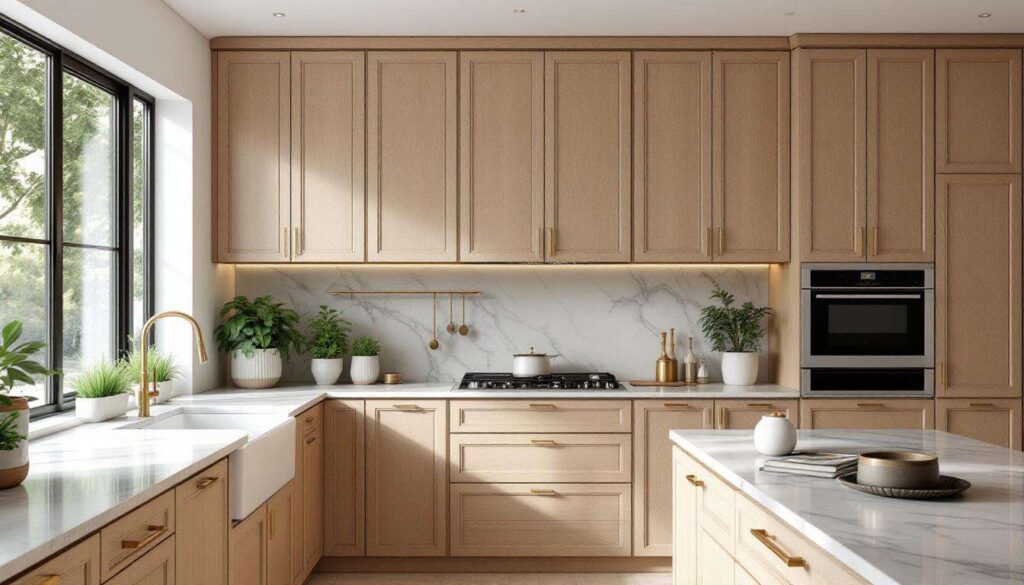
Kitchen design continues to evolve, with homeowners seeking ways to add character and sophistication to their culinary spaces without undertaking major renovations. Fluted cabinetry has emerged as a standout feature that transforms ordinary kitchens into elegant, textured environments. This vertical grooved detailing offers a refined aesthetic that appeals to both contemporary and traditional tastes, creating visual interest through subtle shadow play and linear patterns. What makes this trend particularly attractive is its accessibility: creating fluted cabinetry doesn’t require professional carpentry skills or extensive experience. With the right materials, basic tools, and a methodical approach, homeowners can achieve this designer look independently, adding bespoke detailing to their kitchens whilst maintaining complete creative control over the final result.
Understanding fluting: a kitchen trend
The origins and characteristics of fluted design
Fluting refers to vertical grooves or channels carved or applied to surfaces, a decorative technique with roots in classical architecture. In kitchen cabinetry, this translates to parallel ridges that run the length of cabinet doors, drawer fronts, or panels. The grooves create a rhythmic pattern that catches light differently throughout the day, producing a dynamic visual effect that flat surfaces simply cannot achieve. This architectural detail has been adapted from columns and pilasters, bringing a sense of grandeur to domestic spaces.
Why fluting works in modern kitchens
The appeal of fluted cabinetry lies in its versatility and textural depth. Unlike ornate mouldings or busy patterns, fluting provides subtle sophistication that complements rather than overwhelms. The vertical lines create an illusion of height, making kitchens feel more spacious and elegant. This detailing works across various design styles:
- Contemporary kitchens benefit from the clean, linear quality
- Traditional spaces gain refined classical references
- Transitional designs find the perfect balance between old and new
- Minimalist interiors appreciate the textural interest without clutter
Understanding these fundamentals helps homeowners recognise how fluting might enhance their particular kitchen aesthetic, setting the stage for exploring why this detail has become such a sought-after feature.
Why fluted cabinetry is so appealing in 2026
The shift towards tactile interiors
Design preferences have moved decisively away from the stark, ultra-smooth surfaces that dominated previous years. Homeowners now seek sensory experiences within their living spaces, valuing texture and dimension. Fluted cabinetry satisfies this desire perfectly, offering visual and tactile interest that engages the senses. The grooves invite touch whilst creating shadow lines that change with natural light throughout the day, making kitchens feel alive and responsive to their environment.
Social media influence and accessibility
The proliferation of fluted cabinetry across design platforms has democratised high-end aesthetics. What once required bespoke joinery is now achievable through DIY methods, making luxury design accessible to broader audiences. This trend reflects a larger movement towards personalised interiors that express individual taste rather than following rigid design rules.
Practical advantages beyond aesthetics
| Benefit | Description |
|---|---|
| Conceals imperfections | Grooves hide minor surface flaws and fingerprints |
| Adds perceived value | Creates custom, high-end appearance |
| Timeless appeal | Classical roots ensure longevity beyond trends |
| Versatile application | Works on doors, islands, panels, and more |
These combined factors explain why fluted cabinetry has become the most requested kitchen detail, bridging the gap between aesthetic aspiration and practical implementation. Achieving this look requires specific materials and equipment, which are more accessible than many assume.
Materials and tools needed to create fluting
Essential materials for fluted panels
Creating fluted cabinetry begins with selecting appropriate materials. The most common approach involves applying pre-made fluted panels or mouldings to existing cabinet surfaces. Key materials include:
- MDF fluted panels or reeded moulding strips
- High-quality wood adhesive suitable for cabinetry
- Primer and paint or stain matching your kitchen
- Sandpaper in various grits (120, 180, 220)
- Wood filler for any gaps or imperfections
MDF (medium-density fibreboard) offers an excellent foundation for fluting projects because it’s affordable, stable, and takes paint beautifully. Pre-made fluted panels are available from timber merchants and online suppliers in various widths and groove spacings, allowing customisation to suit different cabinet dimensions.
Tools required for the project
Most fluting projects require only basic woodworking tools that many homeowners already possess:
- Tape measure and pencil for accurate measurements
- Hand saw or circular saw for cutting panels to size
- Clamps to hold pieces whilst adhesive sets
- Paintbrushes or rollers for finishing
- Spirit level to ensure proper alignment
- Optional: mitre saw for precise cuts and professional finish
The modest tool requirements make this project accessible to DIY enthusiasts at various skill levels. With materials and equipment assembled, the actual construction process follows straightforward techniques that yield impressive results.
Simple techniques to make your own fluted cabinetry
Measuring and planning your project
Success begins with careful measurement of the cabinet surfaces you intend to transform. Measure each door or panel individually, as dimensions often vary slightly. Consider whether you’ll cover the entire surface or create a centred panel with a border. Planning the groove orientation is crucial: vertical fluting elongates spaces, whilst horizontal applications create a contemporary twist on the traditional approach.
Preparing existing cabinet surfaces
Before applying fluted panels, prepare the underlying surface properly. Remove cabinet doors and hardware, then clean thoroughly to remove grease and residue. Light sanding creates better adhesion for the bonding process. If existing cabinets have raised details or mouldings, consider whether to remove these or incorporate them into your design scheme.
Cutting and attaching fluted panels
Cut your fluted panels to the measured dimensions using a fine-toothed saw to prevent chipping. Apply wood adhesive evenly across the back of the panel, avoiding excessive amounts that might squeeze out. Position carefully, using a spirit level to ensure alignment, then secure with clamps. Allow adequate drying time according to adhesive specifications, typically 24 hours for full cure.
Finishing techniques for professional results
Once adhesive has cured completely, inspect edges and fill any gaps with wood filler. Sand smooth once dry, paying particular attention to transitions between the fluted panel and cabinet frame. Apply primer suitable for your chosen finish, working paint into the grooves with a quality brush. Multiple thin coats produce better results than single heavy applications. For painted finishes, consider using a small foam roller for the flat areas between grooves, finishing with a brush to ensure complete coverage within the channels.
With the technical execution understood, consideration turns to how these fluted elements integrate harmoniously within the broader kitchen design.
Tips for incorporating fluted cabinetry into your kitchen
Strategic placement for maximum impact
Rather than applying fluting to every surface, selective placement creates more sophisticated results. Consider featuring fluted panels on:
- Kitchen island sides for a focal point
- Select upper or lower cabinet doors
- End panels that bookend cabinet runs
- Range hood surrounds or chimney breasts
- Pantry doors or tall cabinet units
This approach provides visual interest without overwhelming the space, allowing the fluted details to function as intentional design features rather than repetitive patterns.
Coordinating with existing design elements
Fluted cabinetry should complement rather than compete with other kitchen features. Consider the scale of fluting relative to room size: deeper, wider grooves suit larger kitchens, whilst finer detailing works better in compact spaces. Coordinate the finish with existing cabinetry, worktops, and hardware. Fluting pairs particularly well with:
- Natural stone or marble surfaces that echo classical aesthetics
- Brass or aged metal hardware for warmth
- Open shelving that provides textural contrast
- Simple subway tiles that don’t compete visually
Balancing texture and simplicity
Whilst fluting adds dimension, maintaining balance prevents visual chaos. If incorporating fluted cabinetry, keep other elements relatively simple. Avoid combining multiple ornate patterns or competing textures. The fluting should be the textural statement, with other surfaces providing calm, complementary backgrounds that allow the grooved details to shine.
Beyond aesthetic considerations, the DIY approach to fluted cabinetry offers tangible practical advantages that extend beyond the immediate visual transformation.
Ecological and economic benefits of DIY fluted cabinetry
Cost savings compared to professional installation
Creating fluted cabinetry yourself delivers significant financial advantages. Professional bespoke fluted cabinets can cost three to five times more than DIY alternatives. A typical kitchen transformation might break down as follows:
| Approach | Estimated cost | Time investment |
|---|---|---|
| Professional bespoke | £3,000-£8,000 | 2-4 weeks lead time |
| DIY with panels | £300-£800 | Weekend project |
| Cabinet replacement | £5,000-£15,000 | 1-2 weeks installation |
These savings make designer aesthetics accessible to homeowners working within modest budgets, democratising high-end design.
Environmental advantages of refurbishment
Updating existing cabinetry rather than replacing entirely offers substantial environmental benefits. This approach avoids the waste associated with cabinet removal and disposal, reducing landfill contributions. Manufacturing new cabinets requires significant energy and resources, whereas refurbishment minimises this impact. Using MDF panels, often made from recycled wood fibres, further enhances the ecological credentials of DIY fluting projects.
Skills development and personal satisfaction
Beyond financial and environmental considerations, DIY fluting projects provide valuable learning opportunities. Homeowners develop practical skills including measuring, cutting, adhesive application, and finishing techniques that transfer to future projects. The personal satisfaction of transforming a kitchen through one’s own efforts creates emotional connection to the space that purchased solutions cannot replicate. This hands-on approach empowers homeowners to maintain creative control whilst building confidence in their capabilities.
Fluted cabinetry represents an intersection of aesthetic sophistication and practical accessibility that few design trends achieve. The vertical grooved detailing transforms ordinary kitchens into spaces with architectural character, creating visual depth through shadow and texture. Its appeal stems from versatility across design styles, practical benefits including concealing imperfections, and the achievable DIY application that makes luxury design accessible. With basic materials, modest tool requirements, and straightforward techniques, homeowners can create bespoke fluted features that rival professional installations at a fraction of the cost. Strategic placement and thoughtful integration ensure these details enhance rather than overwhelm existing kitchen designs. The combination of cost savings, environmental responsibility through refurbishment rather than replacement, and the personal satisfaction of hands-on creation makes DIY fluted cabinetry an compelling choice for those seeking to refresh their kitchens with contemporary elegance.