


The shift in how we use our homes continues to evolve dramatically. Recent data reveals a striking 69% increase in searches for craft rooms, signalling a profound change in domestic priorities. As remote working arrangements stabilise and many professionals return to traditional office environments, households are reimagining previously designated workspaces. The home office, once the centrepiece of pandemic-era living, is giving way to something more personal and creatively fulfilling. This transformation reflects a broader cultural movement towards hands-on hobbies, mindful activities, and the pursuit of tangible creative outlets in an increasingly digital world.
The rise of the craft room: a growing trend
Understanding the surge in craft room interest
The statistics paint a compelling picture of changing domestic priorities. Craft room searches have soared by 69%, indicating that homeowners are actively seeking information about creating dedicated creative spaces. This trend extends beyond simple curiosity, with interior designers and home improvement professionals reporting substantial increases in craft room consultation requests. The movement encompasses various creative pursuits, from sewing and knitting to scrapbooking, painting, jewellery making, and model building.
| Craft Activity | Popularity Increase |
|---|---|
| Sewing and quilting | 52% |
| Paper crafts | 48% |
| Painting and drawing | 61% |
| Jewellery making | 44% |
Demographic shifts driving the trend
The craft room phenomenon spans multiple generations, though certain demographics show particularly strong engagement. Millennials and Generation X lead the charge, seeking creative outlets that provide respite from screen-dominated work lives. Retirees represent another significant group, finally claiming space for long-postponed hobbies. Even younger households are embracing craft rooms as family activity centres where parents and children can engage in creative projects together.
This growing interest in dedicated craft spaces reflects broader societal shifts away from purely functional home design towards environments that nurture personal fulfilment and creative expression.
Transforming home spaces: from office to craft room
The post-pandemic spatial reorganisation
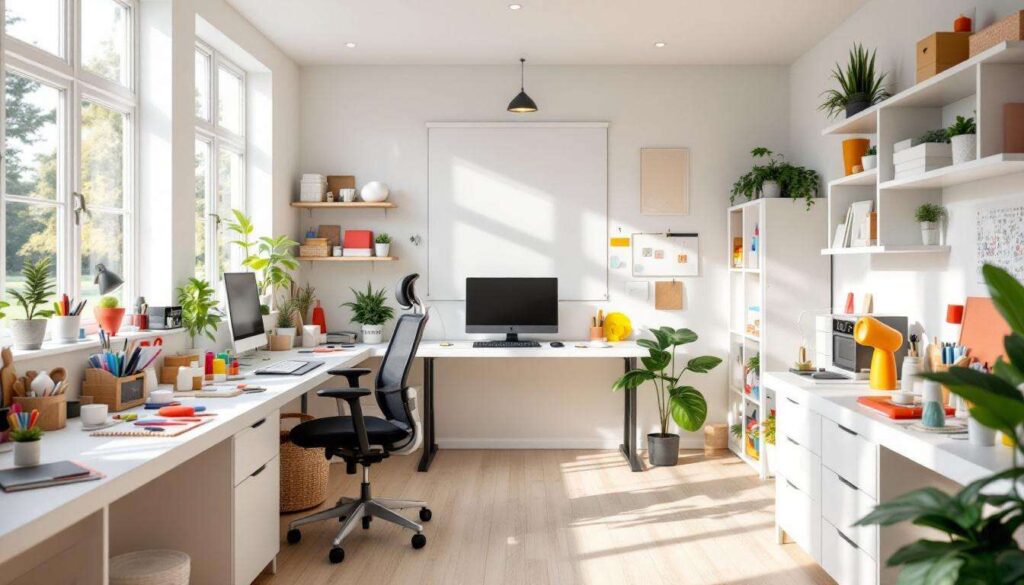
The transition from home office to craft room represents more than simple redecorating. Many households established dedicated workspaces during lockdowns, converting spare bedrooms, dining rooms, or even garden sheds into functional offices. As employers increasingly require office attendance or adopt hybrid models with reduced home working days, these spaces risk becoming underutilised. Rather than allowing valuable square footage to sit idle, homeowners are repurposing these areas for creative pursuits that enhance quality of life.
Practical considerations for space conversion
Converting an office into a craft room requires thoughtful planning. The existing infrastructure often proves advantageous, as many elements transfer seamlessly between functions:
- Adequate lighting: essential for both computer work and detailed craft activities
- Storage solutions: filing cabinets and shelving adapt well to craft supply organisation
- Desk space: provides an immediate work surface for most craft projects
- Electrical outlets: support sewing machines, heat tools, and other craft equipment
- Comfortable seating: necessary for extended creative sessions
The financial investment required for conversion typically remains modest, as the foundational elements already exist. Homeowners primarily need to reorganise storage, adjust lighting for specific craft requirements, and introduce appropriate tools and materials.
Understanding the practical aspects of space conversion naturally leads to examining the underlying motivations driving this trend.
Why choose a craft room at home ?
The appeal of permanent creative infrastructure
Dedicated craft rooms solve a persistent problem faced by hobbyists: the constant setup and pack-away cycle. Without designated space, creative activities require clearing dining tables, retrieving supplies from scattered storage locations, and dismantling projects before completion. This friction significantly reduces engagement with hobbies, as the logistical burden often outweighs the creative satisfaction. A permanent craft room eliminates these barriers, allowing projects to remain in progress and supplies to stay organised and accessible.
Economic and practical motivations
The decision to establish a craft room often carries economic dimensions. Many crafters develop skills that generate supplementary income through online marketplaces, local craft fairs, or commission work. A dedicated space professionalises these endeavours, improving productivity and product quality. Additionally, craft rooms enable bulk purchasing and proper storage of materials, reducing per-project costs whilst ensuring supplies remain in optimal condition.
Psychological ownership and creative identity
Having a designated craft room validates creative pursuits as legitimate and valued activities rather than peripheral hobbies. This psychological shift proves significant, particularly for individuals whose creative interests have historically been marginalised or dismissed. The craft room becomes a physical manifestation of commitment to personal growth and self-expression.
These compelling motivations connect directly to the tangible advantages that dedicated creative spaces provide.
The benefits of a dedicated creative space
Enhanced organisation and efficiency
A purpose-designed craft room dramatically improves material organisation and project workflow. Proper storage systems keep supplies visible, accessible, and protected from damage. Dedicated work surfaces accommodate specific activities without compromise, whilst specialised lighting reduces eye strain during detailed work. The efficiency gains prove substantial, with experienced crafters reporting 30-40% reductions in project completion times when working in optimised environments.
Creative freedom and experimentation
Dedicated spaces encourage creative risk-taking and experimentation. Without concerns about damaging furniture or inconveniencing household members, crafters feel liberated to attempt ambitious projects, test new techniques, and embrace messier creative processes. This freedom proves essential for skill development and artistic growth.
Social and community dimensions
Craft rooms frequently evolve into social spaces where friends gather for creative sessions, workshops, or informal skill-sharing. This community aspect enhances both the enjoyment and educational value of creative pursuits. Many craft room owners report that their spaces have become neighbourhood gathering points that strengthen social connections and foster collaborative creativity.
Recognising these benefits naturally raises questions about implementation and practical setup strategies.
How to set up an efficient and inspiring craft room
Essential infrastructure and layout
Successful craft rooms balance functionality with inspiration. Begin by assessing your primary craft activities and their specific requirements. Sewing demands different infrastructure than painting or woodworking. Consider these foundational elements:
- Work surfaces: multiple heights and sizes accommodate different projects
- Storage systems: transparent containers, labelled drawers, and vertical shelving maximise organisation
- Lighting: layered lighting including task lights, ambient illumination, and natural light sources
- Seating: ergonomic chairs that support extended creative sessions
- Ventilation: adequate airflow for activities involving adhesives, paints, or other materials
Creating an inspirational environment
Beyond practical considerations, craft rooms should nurture creativity and motivation. Display completed projects as visual reminders of accomplishment. Incorporate colour schemes that energise or calm according to preference. Include inspiration boards featuring images, colour palettes, or project ideas. Personal touches transform functional spaces into genuine creative sanctuaries that invite regular engagement.
Budget-conscious setup strategies
Establishing an effective craft room needn’t require substantial investment. Repurposed furniture, secondhand storage solutions, and DIY organisational systems prove remarkably effective. Prioritise essential infrastructure first, expanding gradually as budget permits and needs evolve.
With physical spaces established, attention turns to the broader implications of these dedicated creative environments.
The impact of craft rooms on well-being and productivity
Mental health and stress reduction
Research consistently demonstrates that creative activities significantly reduce stress and anxiety. The focused attention required for craft work induces meditative states that quiet mental chatter and promote relaxation. Having a dedicated space for these activities enhances accessibility, making it easier to engage in therapeutic creative sessions during stressful periods. Mental health professionals increasingly recognise craft activities as valuable complementary approaches to traditional wellness strategies.
Cognitive benefits and skill development
Engaging in craft activities provides substantial cognitive benefits, including improved fine motor skills, enhanced problem-solving abilities, and increased spatial reasoning. Learning new techniques challenges the brain, promoting neuroplasticity and cognitive resilience. For older adults, regular craft engagement correlates with maintained cognitive function and reduced dementia risk.
Work-life balance and personal fulfilment
Craft rooms contribute to healthier work-life boundaries by providing clearly defined spaces for non-work activities. This physical separation helps individuals mentally transition from professional to personal time. The sense of accomplishment derived from completing tangible creative projects provides fulfilment that complements professional achievements, contributing to more balanced and satisfying lives.
The transformation of underutilised home offices into vibrant craft rooms represents more than an interior design trend. It signals a cultural recalibration towards valuing creative expression, personal fulfilment, and hands-on engagement in an increasingly digital world. The 69% surge in craft room searches reflects genuine desire for dedicated spaces that nurture hobbies, support well-being, and celebrate the inherent human need to create. As households continue reimagining their domestic environments, the craft room stands as testament to the enduring importance of creativity in enriching daily life.