



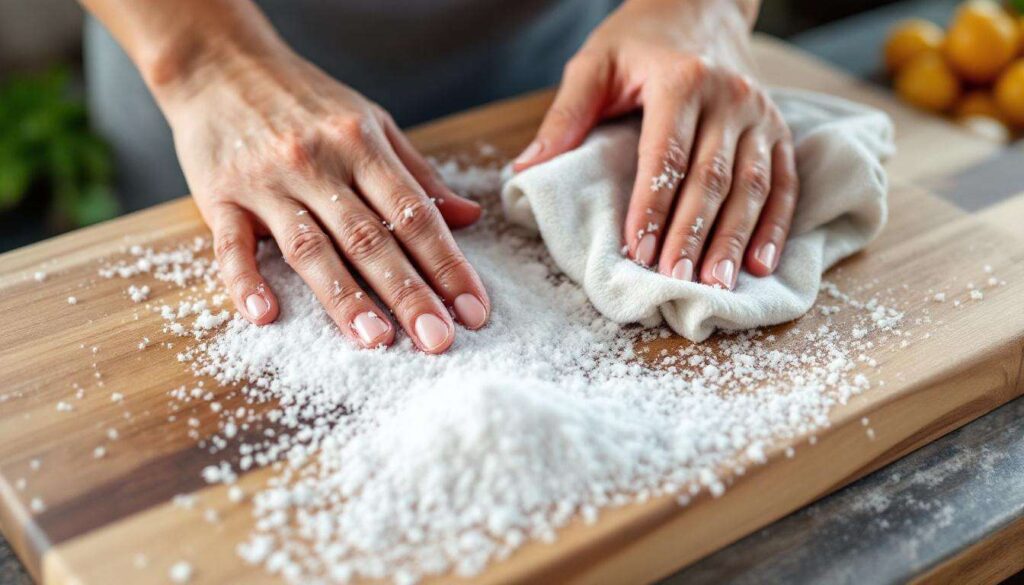
Cutting boards are essential tools in every kitchen, yet they often harbour invisible dangers. Bacteria from raw meat, fish, and vegetables can penetrate the surface, creating potential health hazards. Whilst many reach for chemical cleaners, a simple household ingredient offers a powerful, natural solution. Salt, combined with proper technique, draws out bacteria quickly and effectively, making it an indispensable ally in kitchen hygiene. This method not only disinfects but also preserves the integrity of wooden boards, ensuring they remain safe and functional for years.
The importance of maintaining cutting boards
Health risks associated with contaminated boards
Cutting boards, particularly wooden ones, present unique challenges for kitchen hygiene. Their porous surfaces can trap food particles, moisture, and bacteria deep within the fibres. Cross-contamination poses a significant risk when boards used for raw meat come into contact with vegetables or ready-to-eat foods. Research has demonstrated that improperly cleaned boards can harbour dangerous pathogens, including Salmonella and E. coli, which can lead to serious foodborne illnesses.
Material considerations
Different board materials require distinct maintenance approaches:
- Wooden boards: absorb moisture and require regular conditioning to prevent cracking
- Plastic boards: develop knife grooves that trap bacteria over time
- Bamboo boards: naturally antimicrobial but still require thorough cleaning
Wooden boards, despite their porous nature, possess inherent antibacterial properties. Studies have shown that bacteria drawn into the wood fibres eventually die, provided the board is properly maintained and allowed to dry completely between uses.
Understanding these maintenance requirements naturally leads to exploring effective cleaning methods, particularly those using readily available household ingredients.
The benefits of salt for disinfecting
How salt eliminates bacteria
Salt functions as a powerful disinfectant through a process called osmotic dehydration. When salt crystals come into contact with bacterial cells, they draw moisture out through the cell membranes. This dehydration proves fatal to bacteria, effectively neutralising them without harsh chemicals. The process is brutal yet remarkably efficient, making salt an ideal cleaning agent for food preparation surfaces.
Additional advantages of salt-based cleaning
| Benefit | Description |
|---|---|
| Odour elimination | Absorbs and neutralises lingering food smells, particularly from onions, garlic, and fish |
| Abrasive action | Coarse texture helps scrub away stubborn stains and food residues |
| Non-toxic | Safe for food contact surfaces without chemical residues |
| Cost-effective | Inexpensive compared to commercial cleaning products |
Types of salt for cleaning
Not all salt performs equally in cleaning applications. Kosher salt or coarse sea salt work best due to their larger crystals, which provide superior abrasive action whilst dissolving slowly enough to maintain scrubbing power. Table salt, whilst effective for osmotic action, lacks the physical texture needed for thorough surface cleaning.
With these advantages established, the practical application of salt cleaning becomes the next logical consideration.
Steps for cleaning a cutting board with salt
Preparing your materials
Before beginning, gather the necessary items:
- Generous handful of coarse salt (approximately 2-3 tablespoons)
- Fresh lemon juice or half a lemon
- Coarse sponge or clean cloth
- Hot water for rinsing
- Paper towels or clean tea towel for drying
The cleaning process
Step one: pour a generous amount of salt directly onto the cutting board surface, concentrating on areas with visible stains or where raw meat has been prepared. The salt should cover the entire working surface.
Step two: add lemon juice gradually to the salt, creating a thick paste consistency. The citric acid in lemon juice enhances the antibacterial properties whilst providing a fresh scent. Alternatively, use half a lemon as both juice source and scrubbing tool.
Step three: using a coarse sponge or the lemon half, scrub the paste across the entire board surface using circular motions. Apply firm pressure to work the mixture into the wood grain and lift embedded food particles. Continue scrubbing for at least two to three minutes.
Step four: allow the salt mixture to sit on the board for several hours if dealing with particularly stubborn stains or strong odours. This extended contact time maximises the osmotic effect and ensures thorough bacterial elimination.
Step five: rinse the board thoroughly with hot water, ensuring all salt residue is removed. Stand the board upright to allow complete drainage.
Step six: dry immediately and completely with paper towels or a clean cloth, paying particular attention to edges and any grooves.
Whilst salt alone proves highly effective, combining it with complementary ingredients can enhance results further.
Other ingredients to combine with salt for optimal cleaning
Lemon juice enhancement
As previously mentioned, lemon juice serves as the ideal companion to salt. The citric acid provides additional antibacterial properties whilst breaking down protein residues from meat. The natural bleaching action helps remove stains, and the fresh scent eliminates unpleasant odours. The combination creates a powerful yet completely natural cleaning solution.
White vinegar alternative
For those without fresh lemons, white vinegar offers similar benefits. Mix equal parts vinegar and water, spray onto the salted board, and proceed with scrubbing. Vinegar’s acetic acid content provides strong antibacterial action, though the scent may be less pleasant than lemon.
Baking soda for stubborn stains
Combining salt with baking soda creates an enhanced abrasive paste particularly effective against deep stains. Mix equal parts of both ingredients, add just enough water to form a paste, and scrub vigorously. This combination works exceptionally well on boards with accumulated discolouration.
Hydrogen peroxide for deep disinfection
For boards that have contacted raw poultry or other high-risk foods, a diluted hydrogen peroxide solution (3% concentration) can be applied after salt cleaning. Spray the surface, allow it to sit for several minutes, then rinse thoroughly. This provides an extra layer of disinfection without harsh chemical residues.
Proper cleaning techniques must be complemented by ongoing maintenance practices to ensure longevity.
Tips to extend the lifespan of your board
Regular oiling and conditioning
Wooden cutting boards require regular conditioning with food-grade mineral oil to prevent drying and cracking. Apply oil generously after the board is completely clean and dry, allowing it to absorb overnight. This treatment should occur monthly with regular use, creating a protective barrier that repels moisture and prevents bacterial penetration.
Proper drying techniques
Never allow wooden boards to air-dry horizontally, as this traps moisture underneath. Always stand boards upright or prop them at an angle to ensure complete air circulation. Moisture trapped in wood creates ideal conditions for bacterial growth and can cause warping or cracking.
Dedicated board usage
Implement a colour-coded or designated board system:
- One board exclusively for raw meat, poultry, and fish
- Separate board for vegetables and fruits
- Additional board for bread and cooked foods
This practice minimises cross-contamination risks and allows for appropriate cleaning intensity based on food type.
Avoiding dishwasher damage
Never place wooden cutting boards in the dishwasher. The combination of high heat, harsh detergents, and prolonged water exposure causes warping, cracking, and separation of glued joints. Hand washing remains the only appropriate method for wooden board maintenance.
Even with proper maintenance, certain cleaning mistakes can undermine efforts and damage boards.
Mistakes to avoid when cleaning
Excessive water exposure
Soaking wooden boards or leaving them submerged in water represents one of the most damaging practices. Wood absorbs water, leading to swelling, warping, and eventual cracking. Clean boards quickly with minimal water, then dry immediately and thoroughly.
Using harsh chemical cleaners
Bleach solutions stronger than one teaspoon per four cups of water can damage wood fibres and leave harmful residues. Similarly, harsh commercial cleaners may contain chemicals unsuitable for food contact surfaces. Natural methods using salt, lemon, and vinegar provide sufficient disinfection without these risks.
Neglecting immediate cleaning
Allowing food residues to sit on boards for extended periods permits bacteria to multiply and stains to set deeply. Clean boards immediately after use, particularly following contact with raw proteins. Prompt attention prevents the need for aggressive cleaning later.
Ignoring deep grooves and damage
Once cutting boards develop deep knife grooves or cracks, they become increasingly difficult to clean effectively. These crevices harbour bacteria beyond the reach of surface cleaning. Sand down minor grooves or replace boards showing significant damage to maintain food safety standards.
Skipping the conditioning step
Cleaning without subsequent oiling leaves wood vulnerable to moisture absorption and bacterial penetration. The conditioning step is not optional but rather an essential component of proper board maintenance that ensures longevity and hygiene.
Salt-based cleaning offers a remarkably effective, natural approach to maintaining cutting board hygiene. The osmotic action of salt draws out bacteria whilst its abrasive properties remove stains and food residues. Combined with lemon juice or vinegar, this method provides powerful disinfection without harsh chemicals. Regular application of this technique, coupled with proper drying and conditioning practices, ensures cutting boards remain safe, functional, and long-lasting. Avoiding common mistakes such as excessive water exposure and harsh cleaners protects your investment whilst maintaining the highest standards of kitchen hygiene. This simple household ingredient proves that effective cleaning need not rely on commercial products, offering both safety and economy for conscientious home cooks.