

Fabric artistry has entered a remarkable new chapter as patchwork textiles reclaim their place in contemporary interiors. Once relegated to the realm of nostalgic quilts and vintage crafts, these meticulously assembled pieces now grace walls in homes and galleries alike. Designers are championing the medium with renewed vigour, transforming remnants and offcuts into striking visual statements that blur the boundaries between functional textile and fine art. This revival draws heavily from the bold aesthetic sensibilities of the eighties, yet speaks to modern concerns about sustainability and individual expression in domestic spaces.
The Resurgence of Patchwork Textiles
From Forgotten Craft to Contemporary Statement
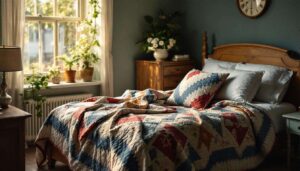
Patchwork has experienced a dramatic shift in perception over recent years. What was once considered a utilitarian necessity or grandmother’s hobby has evolved into a sophisticated design element embraced by leading interior stylists. The technique’s inherent versatility allows for endless creative possibilities, from geometric precision to organic, free-form compositions. Collectors and homeowners increasingly recognise patchwork textiles as legitimate artistic expressions worthy of prominent display rather than functional use alone.
Cultural Factors Driving the Revival
Several cultural movements have contributed to patchwork’s resurgence:
- Growing appreciation for handmade and artisanal objects in an increasingly digital world
- Social media platforms showcasing textile art to global audiences
- Renewed interest in traditional crafts among younger generations
- The slow living movement emphasising quality and intentionality
- Exhibitions at major museums elevating textile work to fine art status
This convergence of factors has created an environment where patchwork textiles are not merely tolerated but actively sought after by design-conscious consumers. The medium’s ability to convey both visual complexity and personal narrative resonates particularly strongly with those seeking meaningful objects for their living spaces.
Understanding these broader cultural shifts provides essential context for examining how specific design movements, particularly those from past decades, are being reinterpreted for contemporary tastes.
A Revamped 1980s Trend
Eighties Aesthetics Reimagined
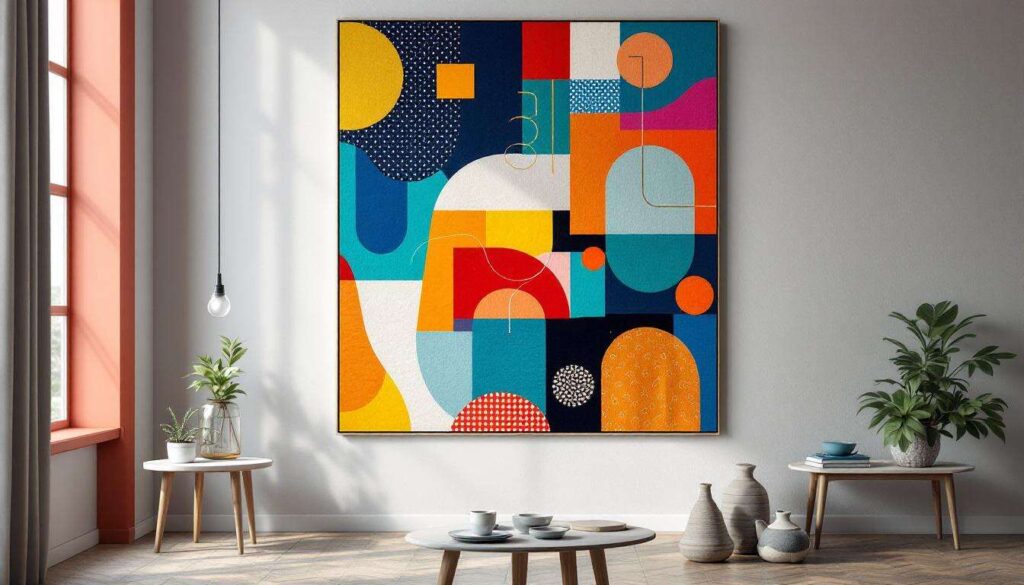
The eighties brought a distinctive approach to patchwork characterised by bold colour combinations, geometric patterns, and an unapologetic maximalism. Designers of that era embraced clashing prints and vibrant hues that reflected the decade’s exuberant spirit. Today’s revival selectively draws from this visual language whilst tempering its excesses with contemporary sensibilities. Modern interpretations maintain the energy and confidence of eighties patchwork but often employ more refined colour palettes and sophisticated compositional strategies.
Key Elements Being Revived
| 1980s Original | Contemporary Interpretation |
|---|---|
| Primary colour dominance | Expanded palette including muted tones |
| Large-scale geometric blocks | Varied scale creating visual rhythm |
| High contrast combinations | Balanced contrast with tonal gradations |
| Synthetic fabrics | Mix of natural and vintage materials |
This selective borrowing allows designers to capture the essential vitality of eighties patchwork whilst avoiding the dated elements that might feel jarring in contemporary interiors. The result is work that feels simultaneously nostalgic and thoroughly modern, appealing to those who remember the original trend and those discovering it afresh.
The question naturally arises of how these textile pieces transition from traditional applications to their new role adorning walls.
Patchwork as Mural Art
Redefining Textile Display
The most significant development in patchwork’s evolution is its emergence as wall-mounted art rather than purely functional textile. Designers now create pieces specifically intended for vertical display, considering factors such as viewing distance, lighting conditions, and architectural context. This shift fundamentally changes how patchwork is conceived and executed, with artists paying closer attention to compositional balance and visual impact from across a room.
Advantages Over Traditional Wall Art
Patchwork textiles offer distinct benefits when used as mural art:
- Textural depth that paintings cannot replicate
- Acoustic properties that soften room acoustics
- Warmth and tactile appeal absent from flat surfaces
- Ability to complement rather than compete with existing décor
- Lighter weight than framed canvases of comparable size
- Flexibility to be changed or repositioned seasonally
Installation and Presentation Methods
Professional installation techniques have evolved to showcase patchwork textiles effectively. Many designers recommend floating mount systems that allow the textile to hang slightly away from the wall, creating subtle shadows that enhance dimensionality. Others prefer stretching patchwork over frames, similar to canvas paintings, which provides a clean, gallery-like presentation. Some avant-garde approaches involve suspended installations where textiles hang freely, allowing both sides to be viewed and creating dynamic spatial divisions within rooms.
These presentation strategies reflect broader thinking about how contemporary designers approach patchwork as a medium.
Contemporary Designers and Their Vision of Patchwork
Leading Voices in the Movement
A new generation of textile artists has emerged, bringing fresh perspectives to patchwork. These designers often possess formal training in fine arts or fashion, bringing technical sophistication and conceptual rigour to their work. They view patchwork not as a nostalgic craft revival but as a legitimate contemporary art form capable of addressing complex themes. Their work frequently explores subjects including memory, cultural identity, material consumption, and the relationship between tradition and innovation.
Design Philosophy and Approach
Contemporary patchwork designers typically emphasise several core principles:
- Intentional material selection with attention to provenance and history
- Compositional strategies borrowed from painting and graphic design
- Willingness to combine traditional techniques with experimental methods
- Consideration of the work’s relationship to its eventual architectural setting
- Documentation of the creative process as part of the work’s narrative
Many practitioners maintain that patchwork’s inherent democracy distinguishes it from other art forms. The technique requires no expensive equipment or specialised facilities, making it accessible whilst still allowing for extraordinary refinement and complexity. This accessibility combined with potential sophistication makes patchwork particularly relevant to contemporary discussions about who creates art and for whom.
Understanding these philosophical underpinnings helps homeowners thoughtfully incorporate patchwork into their own spaces.
Incorporating Patchwork into Interior Design
Selecting Appropriate Pieces
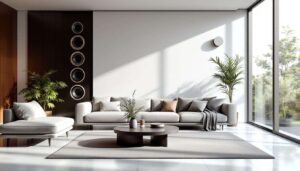
Choosing patchwork textiles for interior spaces requires consideration of multiple factors. Scale proves particularly crucial, as an oversized piece can overwhelm a modest room whilst undersized work may appear insignificant on expansive walls. Colour relationships between the textile and existing décor determine whether the piece will harmonise or contrast with its surroundings. Pattern density also matters, with busy patchwork working best in minimalist settings and simpler compositions complementing more elaborate interiors.
Placement Strategies
| Room Type | Recommended Placement | Considerations |
|---|---|---|
| Living areas | Above seating or as focal wall | Viewing distance, lighting |
| Bedrooms | Behind bed or opposite windows | Calming patterns, softer colours |
| Dining spaces | Feature wall visible from table | Conversation-starting designs |
| Corridors | Gallery-style sequential display | Consistent theme or progression |
Styling and Complementary Elements
Patchwork textiles work most effectively when thoughtfully integrated into broader design schemes. Minimalist furniture allows complex patchwork to command attention without visual competition. Natural materials including wood, stone, and leather create pleasing textural dialogues with fabric art. Lighting deserves special attention, as directional illumination can dramatically enhance the dimensionality and colour saturation of patchwork pieces. Many designers recommend adjustable picture lights or track systems that allow for experimentation with different lighting angles.
Beyond aesthetic considerations, the environmental implications of choosing patchwork deserve examination.
Patchwork: an Environmentally Responsible Choice
Sustainability Through Material Reuse
Patchwork inherently embodies sustainable principles by transforming remnants and discarded textiles into valuable objects. This waste reduction approach aligns perfectly with growing environmental consciousness among consumers. Many contemporary patchwork artists source materials from vintage clothing, factory offcuts, and deadstock fabrics that would otherwise reach landfills. This practice extends the lifecycle of textiles whilst creating unique pieces impossible to replicate with new materials.
Environmental Benefits Compared to Conventional Art
- Lower carbon footprint than manufactured décor items
- Utilises existing materials rather than requiring new production
- Supports circular economy principles
- Often produced locally, reducing transportation emissions
- Biodegradable natural fibres in many traditional patchwork pieces
- Longevity and durability reducing need for replacement
Ethical Production Considerations
Beyond environmental factors, patchwork textiles often represent ethical labour practices. Many pieces are created by individual artists or small cooperatives, ensuring fair compensation and working conditions. This stands in stark contrast to mass-produced wall art manufactured in facilities with questionable labour standards. Purchasing patchwork directly from makers supports sustainable livelihoods whilst acquiring objects with genuine provenance and story. The transparency of production in patchwork creation allows consumers to make informed choices aligned with their values.
The revival of patchwork textiles represents far more than aesthetic nostalgia. This movement combines visual appeal drawn from eighties design sensibilities with contemporary concerns about sustainability, craftsmanship, and meaningful material culture. As wall art, patchwork offers textural richness and warmth that conventional paintings cannot match, whilst its inherent flexibility allows for personalisation and seasonal variation. Designers continue pushing the medium’s boundaries, demonstrating that assembled fabric scraps can achieve the sophistication and impact of any established art form. For those seeking to incorporate this trend, thoughtful selection and placement ensure patchwork textiles enhance rather than overwhelm interior spaces, creating environments that feel both visually dynamic and environmentally responsible.