

Wall panelling has made a remarkable comeback in recent years, transforming from a traditional architectural feature into a contemporary design statement. This decorative technique, once associated primarily with period properties and stately homes, has captured the imagination of homeowners and interior designers alike. As we navigate through shifting design preferences and evolving aesthetic sensibilities, the question arises: does wall panelling retain its appeal or has it reached its saturation point ? Interior design professionals offer valuable insights into the longevity and relevance of this architectural detail.
The origins of wall panelling
Historical roots in European architecture
Wall panelling emerged during the medieval period as a practical solution to combat the cold and dampness of stone walls in castles and manor houses. The technique involved installing wooden panels over existing walls, creating an insulating layer that provided both warmth and protection from moisture. Initially, panelling served a purely functional purpose, but it quickly evolved into a symbol of wealth and social status.
During the Tudor and Jacobean eras, panelling became increasingly ornate, featuring intricate carvings and detailed craftsmanship. The Georgian period introduced more refined proportions and classical influences, whilst the Victorian era embraced darker woods and more elaborate designs. Each historical period left its distinctive mark on panelling styles, creating a rich architectural heritage that continues to influence contemporary design.
Traditional craftsmanship and techniques
The creation of authentic wall panelling required considerable skill and expertise. Craftsmen employed various joinery methods to ensure durability and visual appeal:
- Frame and panel construction, allowing wood to expand and contract naturally
- Mortise and tenon joints for structural integrity
- Hand-carved details and mouldings for decorative elements
- Wainscoting techniques for lower wall protection
These traditional methods established standards of quality that continue to inform modern panelling installations, even as materials and manufacturing processes have evolved significantly.
The evolution of materials: towards more eco-friendly options
Sustainable wood alternatives
The contemporary panelling market has witnessed a significant shift towards sustainability, reflecting broader environmental concerns within the design industry. Manufacturers now offer numerous eco-conscious alternatives to traditional hardwoods, including reclaimed timber, bamboo, and engineered wood products made from responsibly sourced materials. These options reduce environmental impact whilst maintaining aesthetic appeal and structural performance.
Certification schemes such as FSC (Forest Stewardship Council) and PEFC (Programme for the Endorsement of Forest Certification) have become increasingly important to environmentally conscious consumers. These certifications guarantee that wood products originate from sustainably managed forests, addressing concerns about deforestation and habitat destruction.
Modern synthetic and composite materials
Innovation in materials technology has introduced synthetic and composite options that offer distinct advantages:
| Material Type | Key Benefits | Typical Applications |
|---|---|---|
| MDF Panelling | Cost-effective, smooth finish, easy to paint | Contemporary interiors, budget projects |
| PVC Panels | Moisture-resistant, low maintenance, durable | Bathrooms, kitchens, commercial spaces |
| Composite Wood | Sustainable, stable, consistent quality | High-traffic areas, modern homes |
These materials provide practical solutions for specific environments and budgets, expanding the accessibility of panelling to a broader market whilst addressing performance requirements that natural wood cannot always meet.
Current trends in interior decoration
Minimalist and contemporary applications
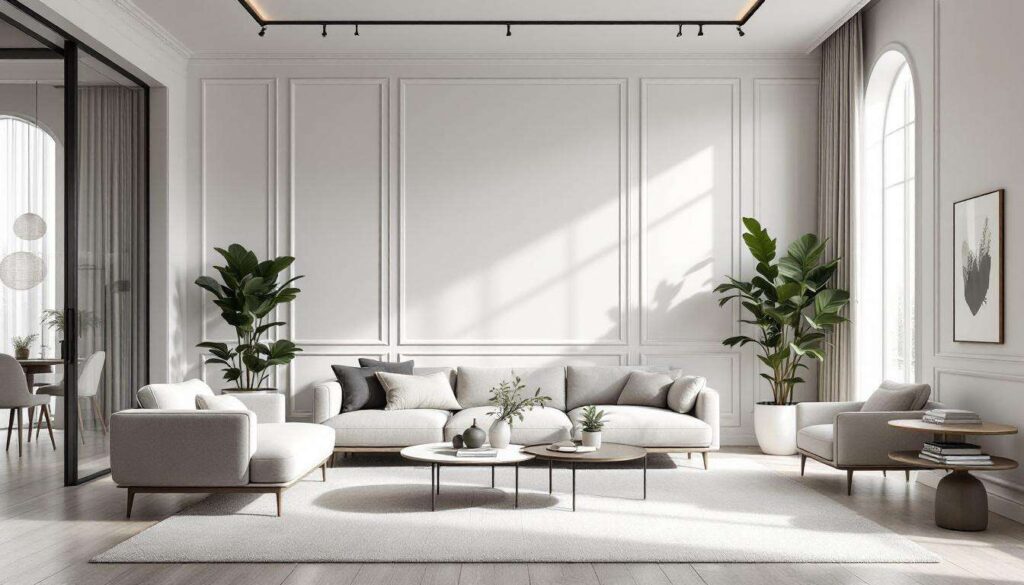
Modern interior design has reimagined wall panelling through a minimalist lens, favouring clean lines and understated elegance over ornate traditional styles. Contemporary panelling often features simple vertical or horizontal battens, creating subtle texture and visual interest without overwhelming a space. This approach aligns with current preferences for uncluttered environments and flexible design schemes.
Colour choices have also evolved dramatically. Whilst traditional panelling typically showcased natural wood tones or white paint, contemporary applications embrace bold colours, two-tone schemes, and even black or charcoal finishes for dramatic impact. This versatility allows panelling to complement diverse interior styles, from Scandinavian minimalism to industrial chic.
Feature walls and strategic placement
Rather than covering entire rooms, current design trends favour strategic panelling placement to create focal points and define spaces. Popular applications include:
- Bedroom headboard walls for added texture and visual warmth
- Living room feature walls behind televisions or seating areas
- Hallway treatments to add character to transitional spaces
- Bathroom accent walls for spa-like atmospheres
- Home office backgrounds for video conferencing aesthetics
This selective approach allows homeowners to incorporate panelling without committing to extensive renovations or overwhelming their spaces with architectural detail.
Experts’ opinions on panelling in 2026
Interior designers weigh in
Leading interior design professionals offer nuanced perspectives on panelling’s current status. Sophie Ashby, founder of Studio Ashby, notes that panelling remains relevant when executed with restraint and contemporary sensibility. She emphasises that quality of installation and appropriateness to the overall design scheme determine success rather than the mere presence of panelling itself.
Similarly, Abigail Ahern, renowned for her bold maximalist approach, argues that panelling provides essential texture and depth in interior spaces. She advocates for creative applications that challenge traditional expectations, including painted finishes in unexpected colours and mixed-material approaches that combine wood with metal or fabric elements.
Market analysis and consumer preferences
Industry data reveals continued strong interest in wall panelling, though preferences have shifted towards more contemporary interpretations. Research indicates that younger homeowners particularly favour simplified panelling styles that offer visual interest without period-specific associations. This demographic values versatility and the ability to update spaces easily, leading to increased demand for removable or easily paintable panelling systems.
The rise of social media platforms, particularly Instagram and Pinterest, has significantly influenced panelling popularity. These visual platforms showcase diverse applications and inspire homeowners to experiment with architectural details they might not have previously considered, sustaining interest in panelling as a design element.
Wall panelling: a timeless choice or outdated ?
Arguments for enduring appeal
Proponents of wall panelling emphasise its architectural value and ability to add character to otherwise plain spaces. Panelling creates visual interest through shadow and dimension, qualities that remain desirable regardless of shifting trends. Additionally, the technique’s historical pedigree lends authenticity and substance to interiors, particularly in period properties where panelling enhances architectural coherence.
The practical benefits also contribute to panelling’s longevity: improved acoustics, wall protection, and the concealment of imperfections provide functional advantages that transcend aesthetic considerations. These practical aspects ensure continued relevance even as visual preferences evolve.
Concerns about oversaturation
Critics argue that panelling’s widespread adoption has diminished its impact, creating a sense of ubiquity that undermines its special character. The proliferation of DIY panelling kits and budget-friendly options has democratised access but potentially diluted quality standards. Some design professionals express concern that poorly executed installations may contribute to negative associations with the technique.
There is also recognition that certain panelling styles, particularly those heavily promoted during recent years, may appear dated as design preferences continue to shift. The challenge lies in distinguishing between timeless applications and trend-driven choices that may not age gracefully.
The future of panelling in interior design
Emerging innovations and techniques
The future of wall panelling appears to lie in innovation and adaptation rather than abandonment. Emerging technologies enable new approaches, including 3D-printed panels, integrated lighting systems, and acoustic panels that combine aesthetic appeal with functional performance. These developments suggest that panelling will continue to evolve rather than disappear from the design landscape.
Sustainability will likely drive future developments, with increased emphasis on recyclable materials, low-VOC finishes, and circular design principles that allow panelling to be reused or repurposed. This aligns with broader industry movements towards environmentally responsible design practices.
Predictions for lasting styles
Design experts suggest that certain panelling approaches will demonstrate greater longevity than others. Simple, well-proportioned designs with quality materials and craftsmanship are expected to retain appeal, whilst overly trendy applications may date quickly. The key factors for enduring relevance include:
- Appropriate scale and proportion for the space
- Quality materials and professional installation
- Integration with overall design concept rather than standalone feature
- Flexibility for future updates through paint or styling changes
Wall panelling continues to hold a significant place in contemporary interior design, though its application and interpretation have evolved considerably from traditional roots. The technique’s survival depends not on rigid adherence to historical precedent but on thoughtful adaptation to current needs and aesthetic preferences. Quality execution, appropriate material selection, and integration within cohesive design schemes will determine whether specific installations remain appealing or become dated. As with many design elements, panelling’s success ultimately rests on how well it serves the space and reflects the occupants’ personal style rather than following trends blindly. The consensus among design professionals suggests that whilst certain expressions of panelling may fade, the fundamental technique retains sufficient versatility and practical value to remain relevant in the evolving landscape of interior design.