

Frozen pipes rank amongst the most preventable yet costly household emergencies facing British homeowners each winter. When temperatures plummet below freezing, unprotected water pipes can freeze solid, expand, and ultimately burst, causing thousands of pounds in water damage. The solution costs less than a tenner and takes minimal effort to implement, yet many properties remain vulnerable. Pipe lagging represents a straightforward preventative measure that every homeowner should prioritise before the next cold snap arrives.
What is pipe lagging ?
Understanding the basics of pipe insulation
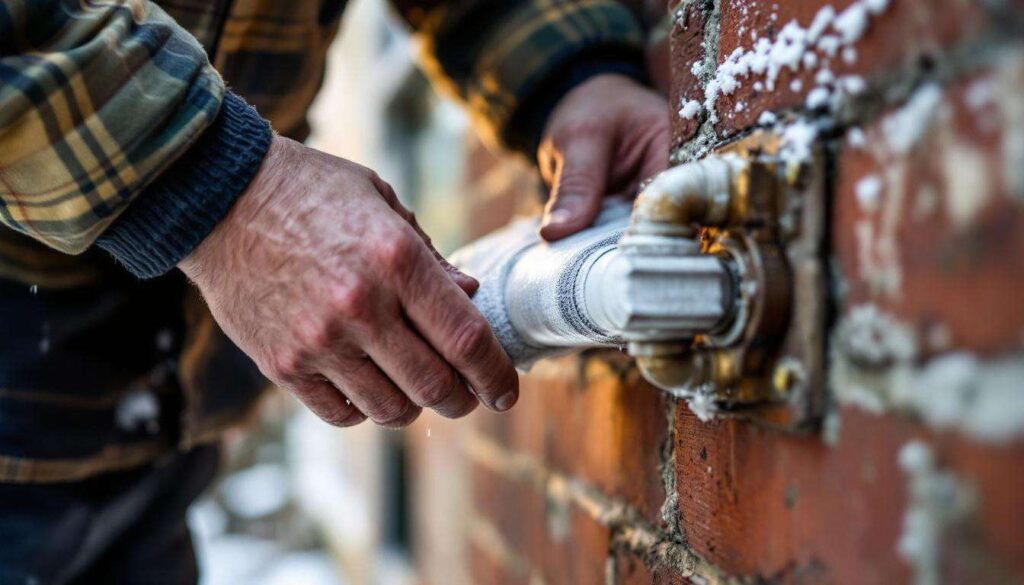
Pipe lagging refers to insulating material wrapped around water pipes to protect them from extreme temperatures. This protective covering acts as a thermal barrier, maintaining the water temperature within the pipes and preventing heat loss. The most common types available in the UK include foam tubing, fibreglass wrap, and rubber insulation sleeves. These materials typically feature a slit along one side, allowing homeowners to slip them directly onto existing pipework without requiring professional plumbing modifications.
Different types of lagging materials
The market offers several lagging options suited to various applications and budgets:
- Foam pipe insulation: the most popular choice, available in various diameters to fit standard pipe sizes
- Fibreglass wrap: offers superior insulation for larger diameter pipes or irregular shapes
- Rubber insulation: provides excellent moisture resistance for outdoor or damp locations
- Self-adhesive foam tape: ideal for awkward corners and joints where standard tubing proves difficult to fit
Each material type carries distinct advantages depending on pipe location, diameter, and exposure to elements. Understanding these fundamental characteristics helps homeowners select appropriate materials for their specific circumstances, setting the foundation for effective freeze protection throughout their property.
Why lagging is essential for UK homeowners
The unique challenges of British weather
The UK climate presents particular challenges for household plumbing systems. Unlike regions with consistently cold winters, British temperatures frequently fluctuate around the freezing point, creating repeated freeze-thaw cycles that prove especially damaging to unprotected pipes. Properties built before modern building regulations often feature pipework in vulnerable locations such as lofts, garages, and external walls where temperatures drop rapidly during cold spells.
Statistical evidence of burst pipe incidents
| Incident type | Annual UK cases | Average repair cost |
|---|---|---|
| Burst pipes from freezing | 250,000+ | £7,000-£15,000 |
| Insurance claims processed | 40,000+ | £8,500 average |
| Properties with inadequate lagging | 3.5 million | N/A |
Insurance implications and requirements
Many UK insurance providers now include specific clauses regarding pipe protection in their policies. Homeowners who fail to take reasonable precautions, including adequate lagging, may find claims rejected or settlements reduced. Some insurers offer premium discounts for properties with comprehensive pipe insulation, recognising the significantly reduced risk of costly water damage claims. This financial incentive extends beyond immediate savings to long-term policy benefits.
Beyond insurance considerations, the practical realities of dealing with burst pipes during winter months make prevention particularly attractive. Emergency plumbers charge premium rates during cold snaps when demand peaks, and finding available tradespeople becomes increasingly difficult. The modest investment in lagging materials delivers substantial peace of mind alongside tangible financial protection.
How lagging prevents water damage
The science behind frozen pipes
Water expands by approximately nine per cent when it freezes, creating immense pressure within confined pipe walls. This expansion force can exceed the structural integrity of copper, plastic, and even steel pipes, causing splits, cracks, or complete ruptures. The damage often occurs at weak points such as joints, bends, or areas where pipes pass through walls. Crucially, the burst itself may not become apparent until temperatures rise and ice melts, allowing water to flow freely through the damaged section.
How insulation maintains safe temperatures
Pipe lagging works by reducing heat transfer between the water inside pipes and the surrounding cold air. The insulating material traps a thin layer of air around the pipe, which acts as a thermal buffer. This barrier slows the rate at which pipe temperatures drop, providing crucial extra hours or even days before water reaches freezing point. In many cases, this delay proves sufficient to prevent freezing entirely during typical British cold spells.
Vulnerable areas requiring priority attention
Certain locations within properties face heightened freezing risks and demand immediate lagging attention:
- Loft spaces and roof voids where temperatures mirror outdoor conditions
- Garages and outbuildings lacking central heating
- External walls, particularly north-facing exposures
- Pipes running through unheated cellars or basements
- Outdoor taps and supply pipes serving garden areas
Addressing these priority areas first delivers maximum protection with minimal material investment. The comprehensive approach to pipe protection naturally leads to examining the economic advantages of this preventative measure.
Lagging: a cost-effective and efficient solution
Breaking down the actual costs
Basic foam pipe lagging retails for £3 to £8 per metre at most UK DIY stores and online retailers. An average three-bedroom house typically requires 15-25 metres of lagging to protect vulnerable pipework adequately, bringing total material costs to approximately £50-£150. Self-adhesive foam tape for joints and awkward sections adds another £5-£10. These figures represent a fraction of the potential repair costs associated with a single burst pipe incident.
Comparing costs against potential damage
| Scenario | Prevention cost | Average damage cost | Potential savings |
|---|---|---|---|
| Full house lagging | £50-£150 | £8,500 | £8,350+ |
| Loft pipes only | £20-£40 | £8,500 | £8,460+ |
| External pipes | £15-£30 | £5,000 | £4,970+ |
Energy efficiency benefits
Beyond freeze protection, lagging delivers ongoing energy savings by reducing heat loss from hot water pipes. Insulated pipes maintain water temperature more effectively, meaning boilers work less frequently to reheat water travelling through the system. Studies indicate that comprehensive pipe insulation can reduce heating bills by 3-5 per cent annually, creating cumulative savings that exceed the initial material investment within two to three years.
The combination of catastrophic damage prevention and incremental energy savings establishes pipe lagging as one of the most cost-effective home improvements available. With such compelling economic arguments established, the practical implementation becomes the next logical consideration.
How to install lagging yourself
Required tools and materials
Installing pipe lagging requires minimal equipment and no specialist skills. Homeowners need only the following items:
- Pipe lagging tubes in appropriate diameters
- Sharp utility knife or scissors for cutting
- Waterproof tape or cable ties to secure ends
- Self-adhesive foam tape for joints
- Measuring tape for accurate sizing
Step-by-step installation process
The installation procedure follows a straightforward sequence. First, measure all pipes requiring insulation, noting diameters to ensure correct material sizing. Clean pipe surfaces to remove dust, grease, or moisture that might prevent proper adhesive contact. Open the slit along the lagging tube and position it around the pipe, ensuring the slit faces downward to prevent moisture ingress. Press the edges together firmly along the entire length.
At corners and bends, cut the lagging at 45-degree angles to create neat mitred joints. Secure these joints with waterproof tape, ensuring complete coverage without gaps. For T-junctions and complex connections, use self-adhesive foam tape to fill any spaces where standard tubing cannot fit properly. Pay particular attention to ensuring continuous insulation without exposed pipe sections, as even small gaps significantly reduce overall effectiveness.
Common mistakes to avoid
Several frequent errors compromise lagging effectiveness. Leaving gaps between lagging sections creates thermal bridges where freezing can still occur. Using incorrect diameter tubing results in loose-fitting insulation that provides inadequate protection. Neglecting to secure lagging properly allows it to slip or separate over time, particularly on vertical pipe runs. Finally, forgetting to insulate both hot and cold water pipes represents a critical oversight, as cold pipes face greater freezing risk whilst hot pipe insulation delivers energy savings.
With installation techniques mastered, sourcing quality materials at competitive prices becomes the final practical consideration for homeowners ready to protect their properties.
Where to buy quality, affordable lagging materials
Major DIY retailers and builders’ merchants
High street chains including B&Q, Wickes, and Homebase stock comprehensive ranges of pipe lagging products. These retailers offer the advantage of immediate availability and the ability to physically inspect materials before purchase. Staff can provide sizing advice and recommendations based on specific requirements. Builders’ merchants such as Travis Perkins and Jewson typically offer trade-quality materials at competitive prices, particularly for larger quantities.
Online suppliers and delivery options
Internet retailers including Amazon, Screwfix, and Toolstation provide extensive product selections with detailed specifications and customer reviews. Online purchasing often delivers cost savings compared to physical stores, especially when buying complete installation kits. Many suppliers offer next-day delivery, making online ordering viable even when urgent installation becomes necessary. Specialist plumbing suppliers maintain websites with technical guidance alongside product listings, helping homeowners select appropriate materials for specific applications.
Quality indicators and product specifications
When selecting lagging materials, several factors indicate quality and suitability. Check the thermal conductivity rating, with lower values indicating better insulation performance. Verify that foam materials carry fire-safety certifications appropriate for UK building regulations. Examine wall thickness specifications, as thicker materials generally provide superior insulation. Consider weather-resistant options for outdoor applications, ensuring materials can withstand moisture and UV exposure without degrading.
Comparing prices across multiple suppliers often reveals significant variations, making research worthwhile before purchasing. However, prioritising quality over minimal cost differences ensures long-term effectiveness and durability.
Protecting water pipes through proper lagging represents one of the simplest yet most effective preventative measures available to UK homeowners. The modest financial investment, straightforward installation process, and substantial potential savings create a compelling case for immediate action. With materials readily available and installation achievable within a few hours, there remains no justifiable reason to leave pipes vulnerable to freezing damage. Taking action before temperatures drop protects both property and finances whilst delivering ongoing energy efficiency benefits throughout the heating season.