



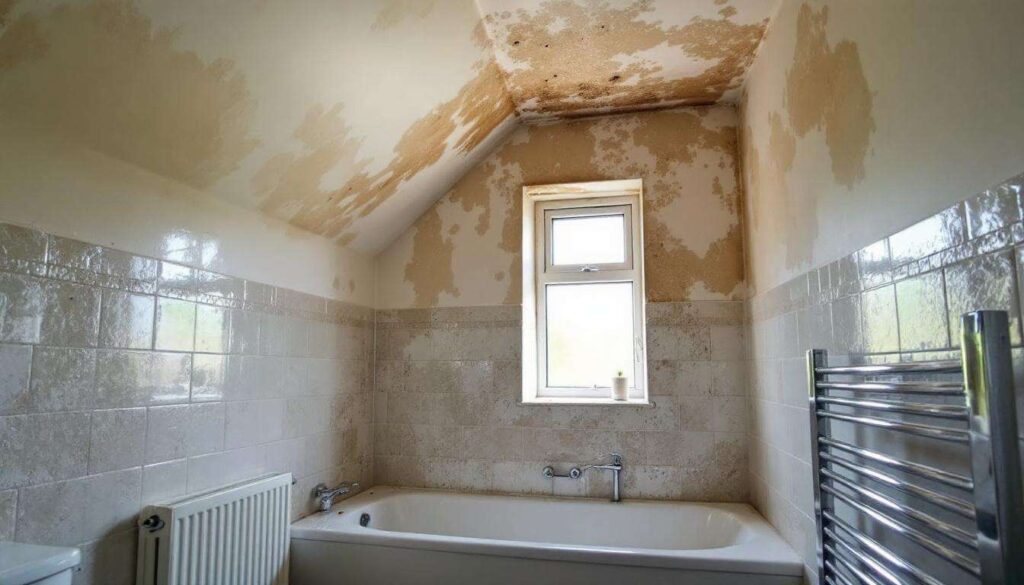
Mould growth in bathrooms remains one of the most persistent problems facing homeowners across the United Kingdom, with surveyors reporting that an overwhelming majority of properties suffer from this issue. The culprit behind this widespread problem is often a single, preventable ventilation error that homeowners unknowingly commit on a daily basis. Black spots creeping across ceiling corners, musty odours lingering after showers, and discoloured grout lines are telltale signs that moisture is not being properly managed. Understanding the root cause of bathroom mould and implementing effective ventilation strategies can transform damp, unhealthy spaces into fresh, hygienic environments whilst protecting property values and occupant wellbeing.
Understanding the causes of mould in bathrooms
The science behind mould formation
Mould thrives in environments where three essential conditions converge: moisture, warmth, and organic material. Bathrooms naturally provide all three elements in abundance. When hot water from showers and baths evaporates, it creates water vapour that saturates the air. This moisture-laden air then contacts cooler surfaces such as tiles, windows, and walls, causing condensation to form. The resulting dampness, combined with the warmth retained in bathrooms and the presence of soap residue, skin cells, and other organic matter, creates an ideal breeding ground for mould spores.
Common mould species found in bathrooms
Several varieties of mould colonise bathroom surfaces, each with distinct characteristics:
- Stachybotrys chartarum (black mould): appears as dark greenish-black patches and poses significant health risks
- Cladosporium: presents as olive-green or brown spots on grout and sealant
- Aspergillus: manifests in various colours including white, yellow, and green
- Penicillium: typically appears as blue or green fuzzy growth
Why bathrooms are particularly vulnerable
Bathrooms experience more dramatic humidity fluctuations than any other room in a typical home. A single shower can raise relative humidity levels from a comfortable 40-50% to a problematic 90-100% within minutes. Without adequate ventilation, this moisture remains trapped, creating sustained periods of dampness that allow mould colonies to establish themselves and spread rapidly across susceptible surfaces.
These environmental factors explain why bathrooms require specific attention when addressing mould prevention, making proper ventilation not merely beneficial but absolutely essential.
The importance of ventilation in preventing moisture
How ventilation controls humidity levels
Effective ventilation works by replacing moisture-saturated indoor air with drier air from outside, thereby reducing relative humidity to levels where mould cannot flourish. The process involves creating air movement that carries water vapour away from bathroom surfaces before condensation can occur. Proper air circulation prevents moisture accumulation and maintains humidity within the optimal range of 30-50%, where mould growth is significantly inhibited.
The role of air circulation in drying surfaces
Beyond removing humid air, ventilation facilitates the evaporation of water droplets that settle on bathroom surfaces. Moving air accelerates the drying process, preventing the prolonged dampness that mould spores require for germination. This continuous air exchange ensures that tiles, grout, sealant, and painted surfaces remain dry enough to resist colonisation by fungal growth.
Building regulations and ventilation requirements
UK Building Regulations Part F stipulates minimum ventilation standards for bathrooms to ensure adequate moisture control:
| Ventilation type | Minimum requirement |
|---|---|
| Mechanical extract fan | 15 litres per second |
| Passive stack ventilation | 8 litres per second |
| Openable window | 1/20th of floor area |
These standards represent baseline requirements, though many properties benefit from exceeding these minimums, particularly in high-use bathrooms or those lacking external walls.
Understanding why ventilation matters sets the foundation for identifying where most homeowners go wrong in their daily bathroom routines.
Common ventilation mistakes in bathrooms
The critical error: switching off extractor fans too soon
Surveyors identify premature extractor fan deactivation as the single most prevalent mistake causing mould in UK bathrooms. The overwhelming majority of homeowners switch off their extractor fans immediately upon leaving the bathroom, or rely on fans linked to light switches that cease operation the moment lights are turned off. This practice leaves vast quantities of moisture trapped within the room, as the brief operating period proves insufficient to extract the water vapour generated during bathing.
A typical shower produces approximately 2-3 litres of water vapour, which an extractor fan requires at least 20-30 minutes to remove effectively. Switching off the fan after just 5-10 minutes leaves 60-70% of moisture still circulating within the bathroom, settling onto surfaces and creating the damp conditions mould requires.
Inadequate window usage
Many homeowners fail to open windows during and after bathing, particularly during colder months when the instinct is to retain warmth. Even when windows are opened, they are frequently closed too quickly, before sufficient air exchange has occurred. Additionally, security concerns or privacy issues lead some residents to keep bathroom windows perpetually closed, eliminating this natural ventilation pathway entirely.
Blocked or inefficient extractor fans
Extractor fans accumulate dust, lint, and debris over time, significantly reducing their effectiveness. Common problems include:
- Clogged grilles restricting airflow by up to 70%
- Blocked ducting preventing moisture extraction
- Faulty motors operating at reduced capacity
- Incorrectly installed fans venting into loft spaces rather than outside
- Undersized fans inadequate for bathroom volume
Keeping doors closed during ventilation
Whilst privacy necessitates closed doors during bathroom use, maintaining this closure during the post-use ventilation period restricts air circulation. Without adequate replacement air entering the bathroom, extractor fans work inefficiently, creating negative pressure that limits their extraction capacity.
Recognising these mistakes provides the foundation for implementing effective solutions that address the root causes of bathroom mould.
Practical solutions to improve ventilation
Installing timer switches and humidity sensors
Timer switches represent the most effective solution to the premature fan deactivation problem. These devices ensure extractor fans continue operating for a preset period after the bathroom light is switched off, typically 15-30 minutes. Humidity-sensing fans offer even greater sophistication, automatically activating when moisture levels exceed a predetermined threshold and continuing operation until humidity returns to acceptable levels.
Optimising natural ventilation
Maximising natural airflow requires strategic window usage:
- Open windows fully during bathing when weather permits
- Maintain window openings for at least 20 minutes post-shower
- Install trickle vents in window frames for continuous background ventilation
- Consider window restrictors for security whilst maintaining ventilation
- Use privacy film on windows to enable opening without compromising privacy
Regular maintenance of extraction systems
Maintaining extractor fan efficiency requires routine attention. Clean grilles monthly using a vacuum cleaner attachment to remove surface dust. Every six months, remove the fan cover completely and clean internal components with a damp cloth. Test fan performance annually by holding a tissue against the grille; it should be held firmly by the airflow. If performance seems inadequate, arrange professional inspection to check ducting, motor function, and external vent integrity.
Supplementary ventilation strategies
Additional measures can complement primary ventilation systems. Leaving the bathroom door ajar after use permits air circulation throughout the home. Using a dehumidifier in particularly problematic bathrooms provides extra moisture removal capacity. Wiping down surfaces with a squeegee or towel immediately after bathing removes water before it can evaporate, reducing the moisture load ventilation systems must handle.
These practical interventions not only prevent mould but also deliver significant health advantages for household occupants.
Health benefits of good ventilation
Respiratory health improvements
Adequate bathroom ventilation substantially reduces exposure to mould spores, which are significant respiratory irritants. Proper moisture control decreases the incidence of asthma attacks, allergic reactions, and chronic respiratory conditions associated with mould exposure. Individuals with existing respiratory conditions, children, elderly persons, and those with compromised immune systems particularly benefit from mould-free environments.
Reduced allergen exposure
Beyond mould spores, poorly ventilated bathrooms harbour dust mites, which thrive in humid conditions. Maintaining humidity below 50% through effective ventilation creates an inhospitable environment for these microscopic creatures, reducing allergic symptoms including sneezing, itchy eyes, and skin irritation.
Prevention of toxic mould exposure
Certain mould species, particularly black mould, produce mycotoxins that pose serious health risks. Prolonged exposure can cause:
- Persistent headaches and fatigue
- Cognitive difficulties and memory problems
- Skin rashes and irritation
- Nausea and digestive issues
- Immune system suppression
Preventing mould establishment through proper ventilation eliminates these health hazards entirely, creating safer living environments for all occupants.
Professional surveyors and building experts offer additional insights that can further enhance mould prevention efforts.
Expert tips on mould prevention
Professional surveyor recommendations
Building surveyors consistently emphasise that prevention proves far more cost-effective than remediation. They recommend conducting quarterly bathroom inspections, examining grout lines, sealant, ceiling corners, and behind fixtures for early signs of mould. Addressing minor issues immediately prevents extensive colonisation requiring professional treatment.
Material selection for mould resistance
When renovating or updating bathrooms, experts advise selecting materials with inherent mould resistance. Anti-microbial grout formulations resist fungal growth, whilst mould-resistant paint containing fungicides provides additional protection. Epoxy-based sealants outperform traditional silicone in moisture-prone areas, maintaining integrity longer and resisting mould colonisation more effectively.
Temperature management strategies
Maintaining consistent bathroom temperatures reduces condensation formation. Surveyors recommend:
- Installing heated towel rails that provide gentle background warmth
- Keeping bathrooms at minimum 15°C even when unoccupied
- Using bathroom-specific radiators with thermostatic controls
- Avoiding extreme temperature fluctuations that promote condensation
Long-term monitoring and adjustment
Experts stress that effective mould prevention requires ongoing attention rather than one-time interventions. Seasonal variations affect ventilation requirements, with winter months typically demanding longer extractor fan operation periods. Monitoring humidity levels with an inexpensive hygrometer enables homeowners to adjust ventilation strategies based on actual conditions rather than assumptions.
Bathroom mould represents a preventable problem that affects property condition, occupant health, and home maintenance costs. The single most significant mistake, switching off extractor fans prematurely, can be easily rectified through timer installations and behavioural adjustments. Combined with regular maintenance, strategic natural ventilation, and attention to humidity levels, homeowners can eliminate mould growth and create healthier, more pleasant bathroom environments. Implementing these evidence-based strategies protects both property investments and family wellbeing whilst requiring minimal ongoing effort once proper systems are established.