

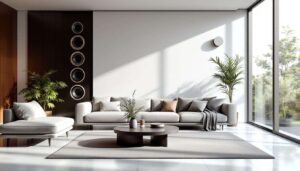
British households are experiencing a dramatic shift in their approach to interior design. After decades of knocking down walls and embracing vast, flowing spaces, homeowners across the UK are now actively seeking to recreate distinct, separate rooms within their properties. This fundamental change reflects evolving priorities around privacy, functionality, and mental well-being, challenging the long-held assumption that open-plan living represents the pinnacle of modern home design.
The benefits of separate rooms for families
Enhanced privacy and personal space
Families with children have discovered that dedicated rooms provide essential boundaries that open-plan layouts simply cannot deliver. When multiple family members occupy the same large space, noise levels escalate, concentration diminishes, and personal privacy becomes nearly impossible to maintain. Separate rooms allow individuals to pursue different activities simultaneously without disruption, whether that involves homework, reading, watching television, or engaging in hobbies.
Parents particularly appreciate the ability to establish quiet zones where children can focus on schoolwork whilst others continue with daily activities elsewhere. This compartmentalisation proves invaluable during evenings and weekends when family members have conflicting schedules and needs.
Improved noise management
Acoustic challenges represent one of the most frequently cited complaints about open-plan living. The following issues commonly arise:
- Kitchen appliances creating disruptive background noise during television viewing or conversations
- Children’s play activities interfering with adult relaxation or work
- Cooking smells permeating throughout the entire living area
- Lack of sound barriers making private telephone conversations impossible
Separate rooms with solid walls and doors provide effective sound insulation that dramatically improves the quality of life for all household members. This physical separation allows families to maintain harmony whilst accommodating diverse preferences and activities.
Better temperature control and energy efficiency
Heating and cooling an expansive open-plan space requires considerably more energy than managing individual rooms. Homeowners are increasingly recognising that separate rooms offer superior thermal efficiency, allowing them to heat only the spaces currently in use. This targeted approach reduces energy consumption and lowers utility bills, a particularly compelling consideration given rising energy costs across the UK.
| Living arrangement | Average heating cost | Energy efficiency rating |
|---|---|---|
| Open-plan layout | £1,850 annually | Moderate |
| Separate rooms | £1,320 annually | High |
These practical advantages have prompted many families to reconsider the true value proposition of open-plan living, leading to a broader cultural reassessment of residential design priorities.
The growing trend of returning to closed rooms
Property developers respond to market demand
Estate agents and property developers have observed a notable shift in buyer preferences over recent years. New build developments are increasingly incorporating traditional room layouts, with distinct living rooms, dining rooms, and kitchen spaces separated by walls and doorways. This represents a significant departure from the open-plan blueprints that dominated residential construction for the past two decades.
Renovation specialists report a surge in enquiries from homeowners seeking to reverse previous open-plan conversions. These projects typically involve reinstalling walls, creating defined spaces, and restoring the compartmentalised layouts that characterised British homes before the open-plan revolution.
Architectural recognition of changing needs
Leading architects and interior designers now acknowledge that open-plan living may have been oversold as a universal solution. Contemporary design philosophy increasingly emphasises flexibility and adaptability, recognising that different households have vastly different requirements. The pendulum has swung towards creating homes that offer choice and versatility rather than imposing a single design ideology.
This evolution in professional thinking has legitimised homeowners’ desires for more traditional layouts, removing any stigma associated with preferring separate rooms over fashionable open spaces. As design professionals continue to advocate for functionality over trends, the movement towards closed rooms gains further momentum.
How remote work has influenced home design
The necessity of dedicated home offices
The widespread adoption of remote and hybrid working arrangements has fundamentally altered how British residents utilise their homes. Professional video calls require quiet, private spaces with appropriate backgrounds, something virtually impossible to achieve in open-plan layouts where domestic activities constantly intrude.
Homeowners working from kitchen islands or living room corners quickly discovered the inadequacy of these arrangements. The following challenges emerged:
- Background noise from family members disrupting professional meetings
- Inability to maintain confidentiality during sensitive work discussions
- Visual distractions reducing productivity and focus
- Difficulty establishing clear boundaries between work and personal life
Creating functional work environments at home
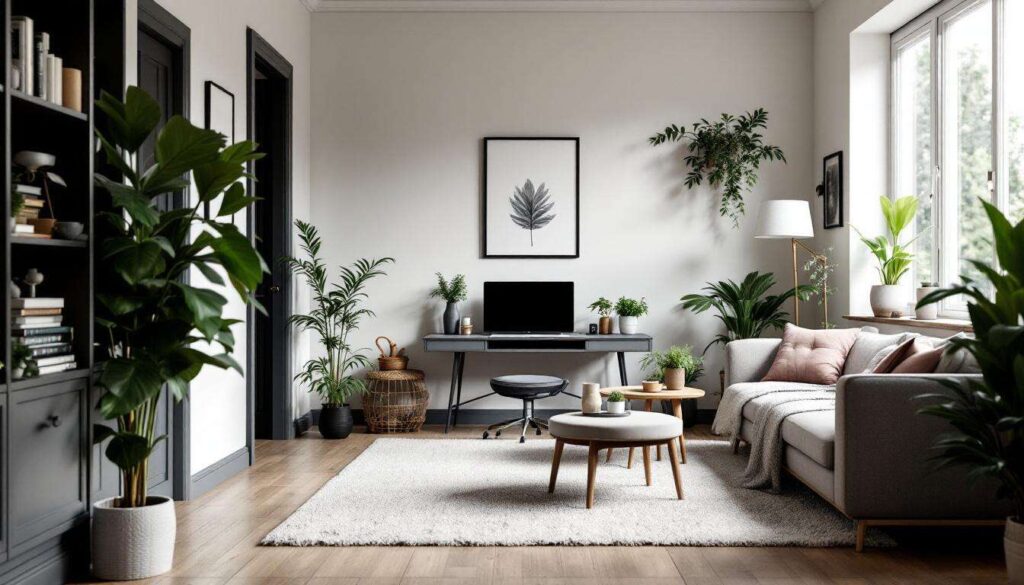
The demand for dedicated home offices with doors that close has become a primary driver in the return to separate rooms. Homeowners are converting spare bedrooms, dining rooms, and even large cupboards into functional workspaces that provide the privacy and professionalism required for remote employment.
This practical necessity has demonstrated the value of compartmentalised living in ways that abstract design preferences never could. When professional success depends upon having a quiet, separate space, the limitations of open-plan living become immediately apparent and unacceptable.
These work-from-home requirements have naturally extended into broader considerations about how domestic spaces should be organised and utilised throughout the day.
The impact of interior design on well-being
Psychological benefits of defined spaces
Environmental psychologists have long understood that spatial organisation significantly affects mental health and emotional well-being. Separate rooms create psychological boundaries that help individuals transition between different activities and mindsets. A dedicated bedroom promotes better sleep hygiene, whilst a distinct living room encourages relaxation separate from work or dining activities.
Open-plan living can generate feelings of constant exposure and surveillance, particularly for introverted family members who require solitude to recharge. The absence of physical barriers means individuals never truly escape the presence of others, leading to accumulated stress and reduced overall well-being.
Establishing healthy routines and boundaries
Separate rooms facilitate the creation of healthy daily routines by providing clear spatial markers for different activities. Children benefit from understanding that bedrooms are for sleeping, dining rooms for eating, and living rooms for family time. These physical distinctions support cognitive development and help establish positive habits that persist into adulthood.
For adults, particularly those working from home, the ability to physically leave the workspace at the end of the day proves invaluable for maintaining work-life balance. When one’s desk occupies a corner of an open-plan space, the psychological separation necessary for genuine relaxation becomes nearly impossible to achieve.
Understanding these wellness implications helps homeowners make more informed decisions about their ideal living arrangements.
Choosing between open space and dedicated rooms
Assessing your household’s specific needs
The decision between open-plan and separate rooms should be based on careful consideration of your family’s unique circumstances rather than prevailing design trends. Households with young children, multiple generations, or remote workers typically benefit more from dedicated rooms, whilst couples without children might still appreciate the sociability of open spaces.
Consider the following factors when making this assessment:
- Number of household members and their ages
- Working arrangements and need for home office space
- Individual preferences for privacy versus communal living
- Entertaining habits and frequency of hosting guests
- Noise sensitivity and acoustic requirements
Hybrid approaches and flexible solutions
Some homeowners are discovering that hybrid solutions offer the best of both worlds. Sliding doors, pocket doors, and room dividers allow spaces to be opened or closed according to immediate needs. This flexibility accommodates varying requirements throughout the day and across different seasons of life.
| Solution type | Flexibility level | Approximate cost |
|---|---|---|
| Sliding barn doors | High | £400-£800 |
| Pocket doors | Very high | £800-£1,500 |
| Permanent walls | Low | £1,200-£3,000 |
These practical considerations naturally lead to questions about how to implement changes within existing properties.
Tips for rearranging your living space
Planning your layout transformation
Before undertaking any structural changes, carefully plan the intended function of each room. Create detailed floor plans that account for furniture placement, traffic flow, and natural light distribution. Consider consulting with an architect or interior designer who can identify potential challenges and suggest optimal solutions.
Ensure that any proposed walls do not obstruct windows or create unusually shaped spaces that prove difficult to furnish. Practical functionality should always take precedence over aesthetic ideals when reconfiguring your home.
Budget-friendly alternatives to major renovation
Not every household can afford extensive building work. Fortunately, several cost-effective alternatives can create the feeling of separate rooms without major construction:
- Tall bookcases positioned strategically to divide spaces
- Curtains or fabric panels suspended from ceiling tracks
- Freestanding screens and room dividers
- Strategic furniture arrangement to define distinct zones
- Different flooring materials or rugs to demarcate areas
Professional guidance and building regulations
Any structural alterations require careful attention to building regulations and safety requirements. Load-bearing walls cannot be removed or altered without proper engineering assessment and council approval. Similarly, fire safety regulations may dictate specific requirements for doors, windows, and escape routes.
Engaging qualified professionals ensures that your renovation complies with all legal requirements whilst achieving your desired outcome. Though professional services represent an additional expense, they prevent costly mistakes and ensure the long-term safety and value of your property.
The movement away from open-plan living reflects a broader understanding that homes must serve the practical and emotional needs of their occupants rather than conform to transient design fashions. Separate rooms offer privacy, acoustic control, energy efficiency, and psychological benefits that open spaces simply cannot match for many families. Whether through major renovation or creative use of dividers and furniture, homeowners across the UK are reclaiming the compartmentalised layouts that support healthier, more functional domestic life. This shift demonstrates that successful interior design ultimately prioritises the well-being and daily realities of residents over abstract aesthetic principles.