



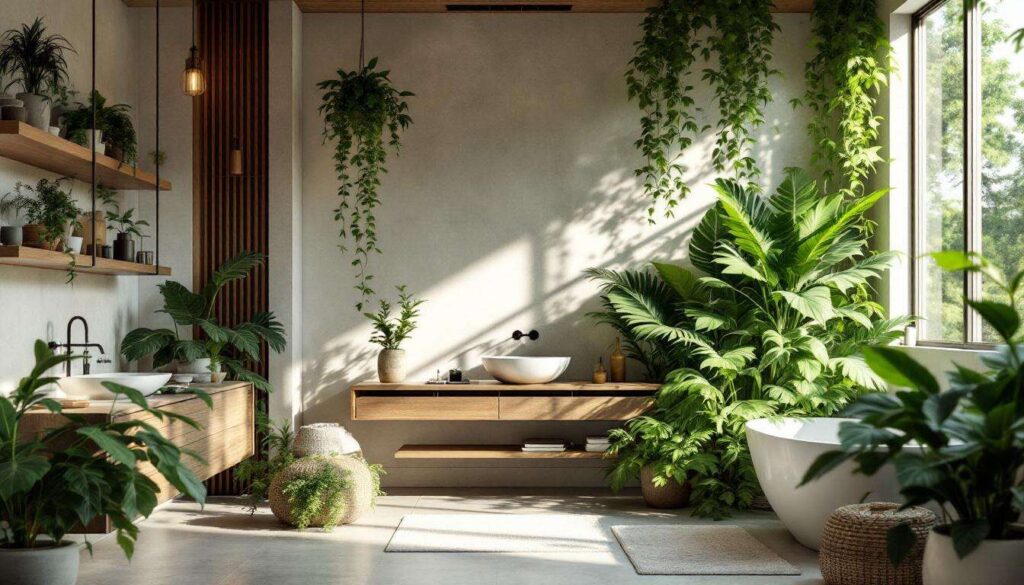
Bathroom design has evolved beyond mere functionality, with homeowners increasingly seeking spaces that promote relaxation and mental well-being. The biophilic bathroom trend, which incorporates living plants such as ferns and pothos, has gained remarkable traction across the UK. These verdant sanctuaries transform ordinary washrooms into personal wellness retreats, combining aesthetic appeal with tangible health benefits. As urban living intensifies and stress levels rise, bringing nature indoors has become more than a design choice; it represents a lifestyle shift towards creating nurturing environments within our homes.
Introduction to the biophilic trend in bathrooms
Understanding biophilic design principles
Biophilic design stems from humanity’s innate connection to nature, a concept that architects and interior designers have embraced to enhance living spaces. The term, derived from the Greek words for ‘life’ and ‘love’, recognises that incorporating natural elements into built environments can significantly improve our psychological and physical health. In bathroom contexts, this philosophy manifests through the strategic placement of living plants, natural materials, and organic forms that evoke the tranquillity of outdoor settings.
Why bathrooms are ideal for biophilic elements
Bathrooms offer unique environmental conditions that many plants thrive in, particularly the humidity generated by showers and baths. The combination of warmth, moisture, and often indirect light creates a microclimate reminiscent of tropical understoreys where ferns and pothos naturally flourish. This symbiotic relationship between plant needs and bathroom conditions makes the integration both practical and sustainable, requiring minimal additional care compared to plants in drier rooms.
The rise of wellness-focused interiors
The wellness industry’s influence on home design has accelerated dramatically, with homeowners prioritising mental health and self-care in their domestic spaces. Bathrooms have evolved from purely utilitarian spaces into sanctuaries for daily rituals that support well-being. This shift reflects broader societal recognition that our surroundings profoundly impact our mood, stress levels, and overall quality of life.
Having established the foundations of this design movement, it becomes essential to examine the specific plants driving this transformation and their particular contributions to our well-being.
The benefits of ferns and pothos for well-being
Air purification properties
Both ferns and pothos possess remarkable air-filtering capabilities, removing toxins such as formaldehyde, benzene, and carbon monoxide from indoor environments. Pothos, in particular, has been recognised for its ability to absorb volatile organic compounds commonly found in cleaning products and personal care items. This natural purification system operates continuously, creating cleaner, healthier air in spaces where we often use chemical-laden products.
Psychological and emotional advantages
The presence of greenery in bathrooms delivers measurable psychological benefits that extend beyond aesthetic pleasure:
- Reduced stress and anxiety levels through visual connection with nature
- Improved mood and emotional regulation during morning and evening routines
- Enhanced cognitive function and mental clarity
- Increased feelings of calm and restoration
- Better sleep quality through improved air quality and reduced stress
Humidity regulation and environmental balance
Ferns and pothos contribute to moisture balance within bathroom environments through transpiration, the process by which plants release water vapour. This natural humidification can benefit skin and respiratory health, particularly during winter months when central heating dries indoor air. The plants also absorb excess moisture, potentially reducing condensation and mould growth when properly positioned.
Comparative benefits of ferns versus pothos
| Characteristic | Ferns | Pothos |
|---|---|---|
| Humidity preference | Very high | Moderate to high |
| Light requirements | Low to medium indirect | Low to bright indirect |
| Air purification | Moderate | Excellent |
| Maintenance level | Moderate | Low |
| Growth rate | Slow to moderate | Fast |
Understanding these benefits naturally leads to practical considerations about how to successfully incorporate these plants into bathroom spaces.
How to integrate ferns and pothos into your bathroom
Assessing your bathroom environment
Before introducing plants, evaluate your bathroom’s specific conditions. Consider window placement and natural light availability, as this determines which species will thrive. Measure humidity levels, which should ideally remain above 40% for ferns and 30% for pothos. Temperature consistency matters too; both plants prefer ranges between 15-24°C, avoiding dramatic fluctuations from heating or ventilation systems.
Strategic placement options
The positioning of plants significantly impacts both their health and the overall design aesthetic. Vertical spaces offer excellent opportunities in smaller bathrooms:
- Wall-mounted planters at varying heights create visual interest
- Hanging baskets suspended from ceiling hooks showcase trailing pothos
- Shower shelves or windowsills accommodate compact fern varieties
- Freestanding plant stands utilise corner spaces efficiently
- Over-toilet shelving systems maximise unused vertical space
Container selection and drainage
Choosing appropriate containers prevents water damage whilst supporting plant health. Opt for pots with drainage holes paired with waterproof saucers to catch excess water. Ceramic and glazed terracotta pots suit humid environments better than untreated materials that may develop mould. For mounted installations, ensure brackets can support the weight of saturated soil and consider self-watering systems that reduce maintenance demands.
Maintenance routines for bathroom plants
Establishing simple care routines ensures long-term success. Ferns require consistent moisture without waterlogging, typically needing water when the top centimetre of soil feels dry. Pothos tolerate slight neglect, preferring soil to dry partially between waterings. Mist ferns weekly to supplement humidity, and wipe dust from pothos leaves monthly to maintain photosynthetic efficiency. Rotate plants quarterly to ensure even growth, and fertilise sparingly during growing seasons.
Whilst integration appears straightforward, several common pitfalls can undermine efforts to create thriving biophilic bathrooms.
Common mistakes to avoid when adopting this style
Overwatering and drainage issues
The most frequent error involves excessive watering, particularly problematic in humid bathroom environments where soil dries slowly. Overwatering leads to root rot, yellowing leaves, and fungal problems that compromise plant health. Always check soil moisture before watering, and ensure containers provide adequate drainage. Standing water in saucers should be emptied promptly to prevent root suffocation.
Insufficient light considerations
Many homeowners underestimate light requirements, assuming bathroom humidity alone sustains plants. Windowless or poorly lit bathrooms require supplemental lighting solutions such as full-spectrum LED grow lights. Positioning plants too far from natural light sources results in leggy growth, pale foliage, and eventual decline. If natural light proves inadequate, consider shade-tolerant varieties or artificial lighting on timers.
Neglecting plant selection for conditions
Not all ferns and pothos varieties suit every bathroom. Boston ferns demand high humidity and consistent moisture, whilst button ferns tolerate slightly drier conditions. Golden pothos adapts to lower light better than marble queen varieties. Matching plant requirements to actual bathroom conditions prevents disappointment and wasted investment.
Overcrowding and poor air circulation
Enthusiasm for the trend sometimes leads to excessive plant density that restricts airflow and creates maintenance challenges. Overcrowded plants compete for light, trap moisture against walls, and complicate cleaning routines. Maintain adequate spacing to allow air circulation, which prevents fungal issues and makes individual plant care manageable.
Armed with knowledge of potential pitfalls, exploring creative implementations can inspire personalised approaches to biophilic bathroom design.
Inspirations and ideas for a biophilic bathroom
Minimalist approaches with statement plants
For those favouring understated elegance, a single large fern or cascading pothos creates dramatic impact without overwhelming smaller spaces. A mature Boston fern on a pedestal stand or a lengthy golden pothos trailing from a high shelf provides focal point interest whilst maintaining clean lines. White or neutral containers complement minimalist aesthetics, allowing the plant’s natural form to dominate.
Maximalist jungle bathroom concepts
Alternatively, embrace abundance by layering multiple plant varieties at different heights and textures. Combine delicate maidenhair ferns with robust bird’s nest ferns and vigorous pothos cultivars. Incorporate additional humidity-loving plants such as prayer plants or philodendrons to create an immersive tropical atmosphere. This approach works particularly well in larger bathrooms with generous natural light.
Colour coordination and container styling
Thoughtful container selection enhances cohesive design schemes. Consider these coordinated approaches:
- Monochromatic schemes using varying shades of a single colour
- Natural materials like rattan, bamboo, or wood for organic warmth
- Metallic finishes in brass or copper for contemporary elegance
- Patterned ceramics that complement existing tile work
- Transparent glass containers showcasing root systems
Combining plants with natural materials
Amplify biophilic impact by pairing plants with complementary natural textures and materials. Wooden bath mats, stone soap dishes, bamboo accessories, and linen towels reinforce connections to nature. Consider pebble trays beneath plant containers, driftwood shelving, or cork bath mats that echo organic themes whilst providing practical functionality.
Theoretical inspiration gains credibility through real experiences of those who have successfully transformed their bathrooms.
Testimonials and feedback from homeowners
Transformative experiences
Sarah from Manchester reports that adding ferns to her ensuite fundamentally changed her morning routine: “I actually look forward to my shower now. The greenery makes the space feel like a spa rather than just a functional room. My stress levels have noticeably decreased since making this simple change.”
Practical insights from long-term adoption
James in Bristol has maintained pothos in his bathroom for three years, offering practical wisdom: “The key is starting small and learning as you go. My first fern didn’t survive, but understanding why helped me succeed with subsequent plants. Now I have five thriving specimens that require minimal effort.”
Unexpected benefits discovered
Emma from Edinburgh discovered additional advantages beyond aesthetics: “The plants reduced condensation on my mirror and windows, which was an unexpected bonus. The bathroom also smells fresher naturally, reducing my reliance on artificial air fresheners that previously triggered my allergies.”
Challenges overcome
Not all experiences prove immediately successful. David from Cardiff acknowledges initial difficulties: “My windowless bathroom presented challenges, but installing a small grow light solved the problem. It required investment and experimentation, but the resulting sanctuary justifies the effort. I wish I’d researched lighting requirements before purchasing plants.”
The biophilic bathroom trend represents more than fleeting fashion, offering substantive improvements to daily life through strategic integration of ferns and pothos. These resilient plants deliver air purification, psychological benefits, and aesthetic enhancement whilst requiring modest maintenance when properly matched to environmental conditions. Success hinges on understanding your specific bathroom’s light, humidity, and temperature characteristics, then selecting appropriate varieties and placement strategies. Avoiding common pitfalls such as overwatering and insufficient lighting ensures thriving plants that genuinely transform functional spaces into restorative retreats. Whether adopting minimalist or maximalist approaches, the combination of living greenery with thoughtful design creates bathrooms that nurture both body and mind, proving that wellness-focused interiors need not require extensive renovation or significant expense.