



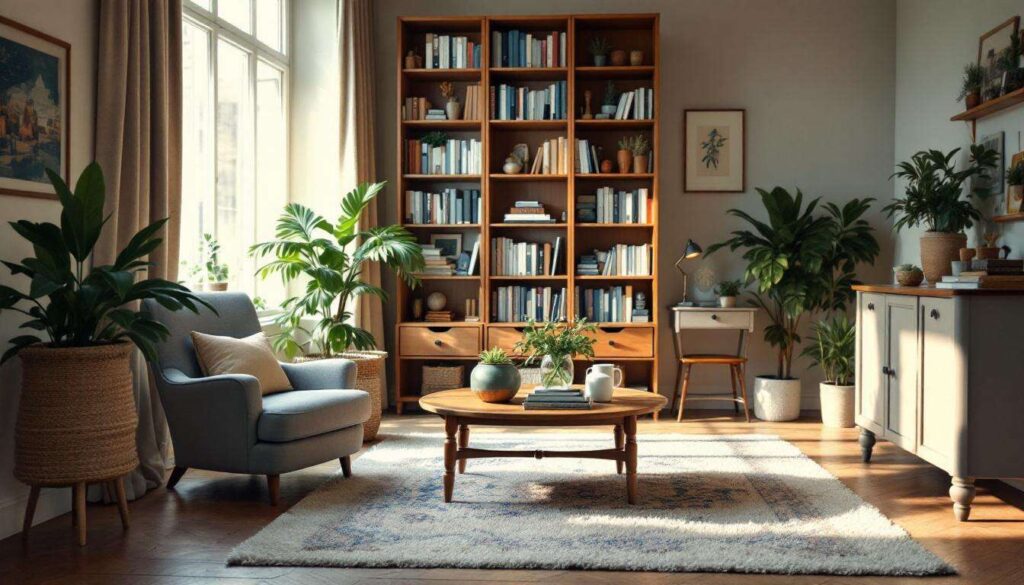
Professional organisers spend their careers helping clients declutter and streamline their living spaces, yet even these experts admit to making mistakes when parting with furniture. The decision to remove certain pieces often seems logical in the moment, driven by space constraints or aesthetic preferences, but hindsight reveals the true value of what was lost. These specialists have identified six specific furniture items that repeatedly appear on their lists of regrets, pieces that offered more functionality and versatility than initially appreciated. Understanding which items deserve preservation can prevent costly mistakes and maintain a home’s practical efficiency.
Modular furniture: a frequently regretted choice
The adaptability factor that gets overlooked
Modular furniture systems represent one of the most commonly regretted disposals amongst professional organisers. These versatile pieces offer configurations that adapt to changing needs, yet their bulkiness or perceived outdated appearance often leads to premature removal. The ability to reconfigure shelving units, seating arrangements, or storage systems provides a flexibility that becomes apparent only after replacement proves difficult or expensive.
Professional organisers emphasise that modular systems excel in situations where:
- Living spaces undergo frequent changes due to growing families or evolving work requirements
- Rental properties demand furniture that adapts to different room layouts
- Budget constraints make purchasing entirely new furniture sets impractical
- Storage needs fluctuate seasonally or with lifestyle changes
The hidden value in customisation
The true worth of modular furniture lies in its customisation potential rather than its immediate aesthetic appeal. Many organisers report clients who discarded modular wardrobes or shelving units only to spend considerably more replacing them with bespoke solutions. Modern modular systems can be refreshed with new finishes, hardware, or fabric covers, transforming their appearance whilst maintaining their functional advantages. The investment in updating existing modular pieces typically costs 30 to 50 per cent less than purchasing new furniture with comparable flexibility.
This realisation about adaptability naturally extends to other furniture categories where versatility proves equally valuable over time.
The essential vintage dresser
Craftsmanship that modern pieces cannot replicate
Vintage dressers consistently appear on organisers’ regret lists, particularly those constructed from solid wood with dovetail joinery. The superior construction quality of older pieces often surpasses contemporary alternatives, yet their traditional styling or minor imperfections prompt hasty removal decisions. Professional organisers note that clients frequently replace vintage dressers with particleboard alternatives that deteriorate within years, whilst the discarded pieces would have lasted decades with minimal maintenance.
| Feature | Vintage Dresser | Modern Equivalent |
|---|---|---|
| Construction material | Solid hardwood | Particleboard or MDF |
| Expected lifespan | 50+ years | 5-10 years |
| Drawer mechanisms | Dovetail joints | Stapled or glued |
| Refinishing potential | Multiple times | Limited or impossible |
Storage capacity that exceeds expectations
The generous proportions of vintage dressers provide storage volume that contemporary minimalist designs cannot match. Professional organisers report that clients who disposed of substantial vintage pieces struggle to accommodate clothing and accessories in sleeker modern alternatives. The deep drawers and robust construction of older dressers accommodate bulky items like winter jumpers, linens, and seasonal clothing more effectively than shallow contemporary drawers designed primarily for visual appeal rather than practical capacity.
Storage considerations extend beyond dressers to furniture that serves multiple purposes simultaneously.
The versatility of the sofa bed
Guest accommodation without dedicated space
Sofa beds rank amongst the most regretted disposals for professional organisers working with clients in urban environments where space comes at a premium. The decision to remove these dual-purpose pieces often stems from improved financial circumstances that suggest dedicated guest rooms become feasible, yet reality proves otherwise. Many organisers observe clients repurchasing sofa beds after discovering that spare bedrooms inevitably convert to offices, gyms, or storage spaces, leaving no accommodation for overnight visitors.
Modern innovations that transform perception
Contemporary sofa bed technology has evolved considerably, addressing the comfort complaints that plagued earlier models. Professional organisers emphasise that clients who disposed of older sofa beds remain unaware of improvements including:
- Memory foam mattresses that rival traditional beds in comfort
- Simplified mechanisms requiring minimal effort to convert
- Designs that conceal their dual purpose with sophisticated styling
- Enhanced durability ensuring mechanisms withstand frequent use
The regret intensifies when clients calculate replacement costs for quality sofa beds, which range from £800 to £2,500 for models matching the comfort and aesthetic standards expected in contemporary homes. The financial and practical implications of removing functional furniture become clear when replacement proves necessary.
Vertical storage solutions present similar cases where disposal decisions overlook long-term utility.
The importance of wall shelves
Maximising vertical space efficiently
Wall-mounted shelving systems represent undervalued assets that professional organisers frequently see removed during renovations or aesthetic updates. The perception that floating shelves appear dated or cluttered leads to their removal, yet the storage capacity they provide becomes sorely missed. Organisers note that clients who eliminate wall shelves subsequently struggle with surface clutter on tables, countertops, and floors as items lose their designated homes.
The psychology of visible storage
Professional organisers understand that visible storage on wall shelves serves psychological functions beyond mere practicality. Items displayed on shelves remain accessible and memorable, reducing duplicate purchases and facilitating daily routines. The removal of wall shelves often forces belongings into closed storage where they become forgotten, leading to disorganisation and inefficiency. Strategic placement of wall shelves in entryways, kitchens, bathrooms, and home offices creates designated zones that maintain order without requiring floor space.
Workspace furniture presents comparable situations where functionality outweighs initial aesthetic judgements.
Rethinking the corner desk
Optimising awkward spaces effectively
Corner desks consistently appear on professional organisers’ regret lists, particularly as remote work becomes increasingly prevalent. These pieces maximise otherwise wasted corner spaces whilst providing substantial work surfaces, yet their specific dimensions often lead to disposal when moving house or redecorating. Organisers report that clients who removed corner desks struggle to replicate the workspace area without sacrificing significantly more floor space with traditional rectangular desks.
The remote work revolution changes priorities
The shift towards home-based work has dramatically increased the value of dedicated workspace furniture. Professional organisers observe that corner desks disposed of before remote work became standard would now command premium prices and solve current workspace challenges. The generous surface area of corner desks accommodates multiple monitors, documents, and equipment whilst fitting into spaces where conventional desks cannot function effectively.
| Desk type | Surface area | Floor space required | Corner utilisation |
|---|---|---|---|
| Corner desk | 1.5-2.0 m² | 1.2-1.5 m² | Excellent |
| Rectangular desk | 1.0-1.2 m² | 1.5-1.8 m² | Poor |
Entertainment furniture presents the final category where disposal decisions frequently prove shortsighted.
The art of preserving the TV stand
Storage beyond entertainment equipment
Television stands rank amongst the most commonly discarded furniture pieces as wall-mounting technology becomes standard, yet professional organisers consistently witness regret following their removal. The storage capacity within TV stands accommodates gaming consoles, media players, cables, remote controls, and decorative items that subsequently clutter living spaces when the furniture disappears. Organisers note that clients who removed TV stands often repurchase similar pieces or invest in expensive built-in solutions to address the storage void.
Anchoring living space arrangements
Beyond storage functionality, TV stands serve as visual anchors that ground living room arrangements and provide surfaces for displaying personal items. Professional organisers emphasise that floating televisions create awkward spatial dynamics, leaving walls appearing incomplete whilst offering no practical surfaces for speakers, plants, or decorative objects. Quality TV stands with timeless designs adapt to changing technology whilst maintaining their relevance as functional furniture pieces that organise and define living spaces effectively.
Professional organisers recognise that furniture disposal decisions made hastily often result in regret as the true versatility and value of these pieces becomes apparent through their absence. The six categories identified demonstrate that functionality, adaptability, and quality construction outweigh temporary aesthetic preferences or space-saving impulses. Preserving modular systems, vintage dressers, sofa beds, wall shelves, corner desks, and TV stands maintains practical options that serve evolving needs without requiring expensive replacements. Thoughtful evaluation before disposal, considering long-term utility rather than immediate circumstances, prevents the costly mistakes these professional organisers witness repeatedly throughout their careers.