



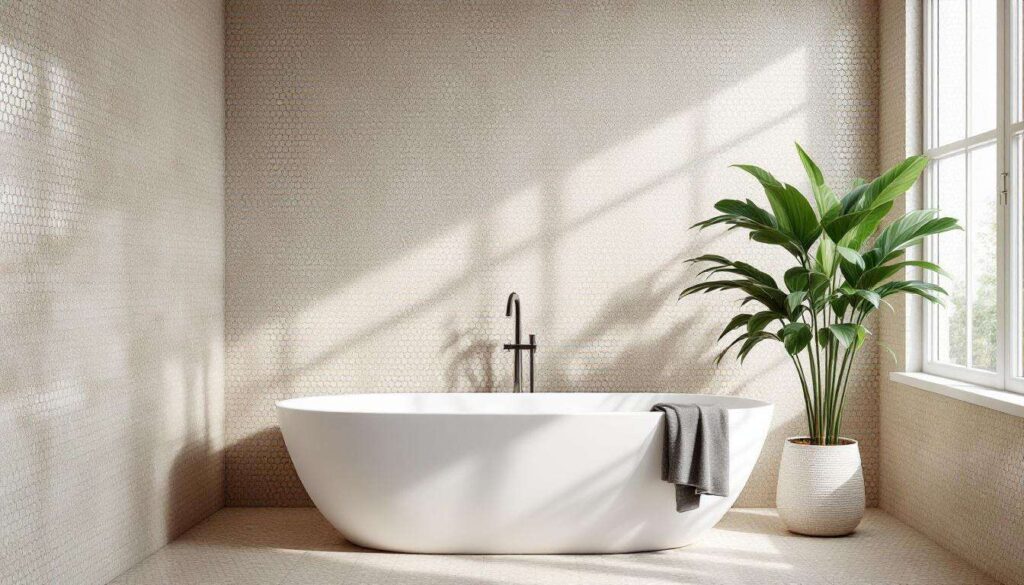
Bathroom design has witnessed a remarkable resurgence of traditional craftsmanship, with zellige tiles emerging as the most sought-after feature for homeowners seeking to blend authenticity with contemporary aesthetics. These handcrafted ceramic tiles, characterised by their irregular glazed surfaces and distinctive charm, have captured the imagination of interior designers and renovation enthusiasts alike. Whilst their visual appeal is undeniable, professional fitters emphasise the importance of understanding the unique installation requirements and maintenance considerations before committing to this captivating trend.
Introduction to zellige tiles
What defines zellige tiles
Zellige tiles represent a distinctive form of terracotta tilework that originated in Morocco centuries ago. Each tile is meticulously hand-cut and individually glazed, resulting in surfaces that exhibit subtle variations in colour, texture, and dimension. Unlike mass-produced ceramic tiles, zellige pieces measure approximately 5cm by 5cm, though larger formats have become available to accommodate modern design preferences.
The manufacturing process involves several artisanal stages:
- Clay extraction and natural drying under the sun
- Hand-cutting into geometric shapes using traditional tools
- Individual glazing with mineral-based pigments
- Kiln firing at high temperatures
- Final sorting and quality assessment
Distinctive characteristics
The imperfect beauty of zellige tiles stems from their handcrafted nature. Surface undulations, colour variations, and slight dimensional inconsistencies are not defects but rather hallmarks of authenticity. The glaze often displays a lustrous, glass-like quality with subtle crazing that develops character over time. These characteristics distinguish zellige from standard ceramic tiles and contribute to their growing popularity in bathroom applications. Understanding these features helps homeowners appreciate why professional installation expertise becomes crucial for achieving optimal results.
Origins and history of zellige
Moroccan heritage
The craft of zellige tile-making dates back to the 10th century in Morocco, where it developed as a sophisticated art form within Islamic architecture. The term “zellige” derives from the Arabic word “al zulaycha”, meaning polished stone. Artisans in cities such as Fez perfected techniques passed down through generations, creating intricate geometric patterns that adorned palaces, mosques, and fountains throughout North Africa.
| Period | Development | Characteristic |
|---|---|---|
| 10th-14th century | Early techniques | Simple geometric patterns |
| 14th-17th century | Golden age | Complex tessellations |
| 20th century | Revival period | Modern colour palettes |
| 21st century | Global recognition | Contemporary applications |
Evolution into contemporary design
Whilst zellige tiles maintained their traditional role in Moroccan architecture, international designers began incorporating them into Western interiors during the late 20th century. The authenticity movement in interior design has accelerated their adoption, with homeowners increasingly valuing handcrafted materials that tell a story. This historical context provides essential background for understanding why these tiles now dominate bathroom design searches and what makes their application particularly relevant in contemporary spaces.
Advantages of zellige tiles in the bathroom
Aesthetic versatility
Zellige tiles offer unparalleled visual flexibility for bathroom environments. Their reflective glazed surfaces interact beautifully with both natural and artificial lighting, creating dynamic visual interest throughout the day. The subtle colour variations within each batch prevent the monotonous appearance often associated with uniform tiles, whilst the handcrafted irregularities add depth and texture to walls and floors.
- Complement both minimalist and maximalist design schemes
- Enhance small bathrooms through light reflection
- Create focal points around vanities and shower areas
- Pair effectively with contemporary fixtures and fittings
- Provide timeless appeal that transcends fleeting trends
Practical benefits
Beyond aesthetics, zellige tiles deliver functional advantages in wet environments. The high-quality glaze provides excellent water resistance when properly sealed, making them suitable for shower enclosures and splashback areas. Their durability ensures longevity, with properly maintained zellige installations lasting decades. The natural clay composition offers thermal properties that feel comfortable underfoot, whilst the non-porous glazed surface resists mould and mildew growth when adequately maintained. These practical considerations become particularly important when fitters assess suitability for specific bathroom applications.
What fitters recommend
Installation considerations
Professional tilers emphasise that zellige installation requires specialised expertise distinct from standard ceramic tile fitting. The irregular dimensions and surface variations demand experienced craftsmanship to achieve aesthetically pleasing results. Fitters recommend allocating additional time and budget for proper installation, as rushing the process often leads to unsatisfactory outcomes.
Key recommendations from experienced professionals include:
- Engage fitters with documented zellige experience
- Allow 20-30% additional installation time compared to standard tiles
- Expect wider grout lines to accommodate dimensional variations
- Ensure substrate preparation meets exacting flatness standards
- Plan for colour sorting and layout design before fixing begins
Substrate and adhesive requirements
The foundation preparation proves critical for zellige success. Fitters insist on perfectly flat, stable substrates, as the thin tile profile accentuates any underlying irregularities. Cement-based adhesives formulated for natural stone typically perform better than standard tile adhesives. Waterproofing membranes become essential in shower areas, with particular attention to joints and penetrations.
| Aspect | Standard tiles | Zellige tiles |
|---|---|---|
| Substrate tolerance | ±3mm per metre | ±1mm per metre |
| Adhesive bed depth | 3-6mm | 4-8mm |
| Grout joint width | 2-3mm | 4-6mm |
| Installation time | Standard | +25% minimum |
Sealing and protection
Experienced fitters stress the importance of proper sealing both before and after grouting. Pre-sealing prevents grout staining on the porous tile edges, whilst post-installation sealing enhances water resistance and simplifies maintenance. Professional-grade penetrating sealers designed for natural stone provide optimal protection without altering the characteristic glaze appearance. These technical requirements highlight why proper professional guidance remains essential throughout the zellige installation process.
Trends and popular styles for 2026
Colour preferences
Current design trends favour earthy neutral palettes that complement contemporary bathroom aesthetics. Terracotta, sage green, and soft grey tones dominate specification lists, offering warmth without overwhelming smaller spaces. However, bold jewel tones including deep blues, emerald greens, and rich burgundies appeal to homeowners seeking dramatic statement walls.
Application patterns
Design professionals observe shifting preferences in how zellige tiles are deployed within bathroom spaces. Rather than covering entire rooms, strategic applications create focal points whilst managing costs:
- Feature walls behind freestanding baths
- Shower enclosure accent walls paired with plain tiles
- Vanity splashbacks extending to ceiling height
- Niche detailing within larger tiled areas
- Floor-to-ceiling installations in wet rooms
These styling approaches demonstrate how zellige tiles continue evolving within bathroom design, setting the stage for understanding their ongoing care requirements.
Maintenance and care for zellige tiles
Daily cleaning practices
Maintaining zellige tiles requires gentle, consistent care rather than aggressive cleaning methods. The glazed surface resists most staining when properly sealed, but harsh chemicals can damage both the glaze and grout. Fitters recommend pH-neutral cleaners specifically formulated for natural stone or delicate ceramics.
Recommended maintenance routine:
- Wipe surfaces with microfibre cloths after each use
- Clean weekly with diluted pH-neutral detergent
- Avoid abrasive scrubbers that scratch glazed surfaces
- Address soap scum promptly using appropriate removers
- Ensure adequate ventilation to prevent moisture accumulation
Long-term preservation
The longevity of zellige installations depends significantly on periodic maintenance beyond daily cleaning. Professional fitters advise resealing every 12-18 months in high-use bathrooms, with annual inspections of grout integrity. Minor chips or glaze damage should receive prompt attention to prevent water ingress behind tiles. When maintained according to these guidelines, zellige tiles develop a beautiful patina that enhances their handcrafted character whilst preserving structural integrity and water resistance for decades.
The enduring appeal of zellige tiles reflects a broader appreciation for artisanal craftsmanship in contemporary bathroom design. Their distinctive handcrafted character, combined with practical durability and aesthetic versatility, explains their position as the most searched bathroom trend. However, success with zellige requires acknowledging the specialised installation expertise, proper substrate preparation, and ongoing maintenance that professional fitters consistently emphasise. Homeowners who invest in qualified installation and commit to appropriate care will enjoy bathrooms that blend Moroccan heritage with modern functionality, creating spaces of lasting beauty and authenticity.