


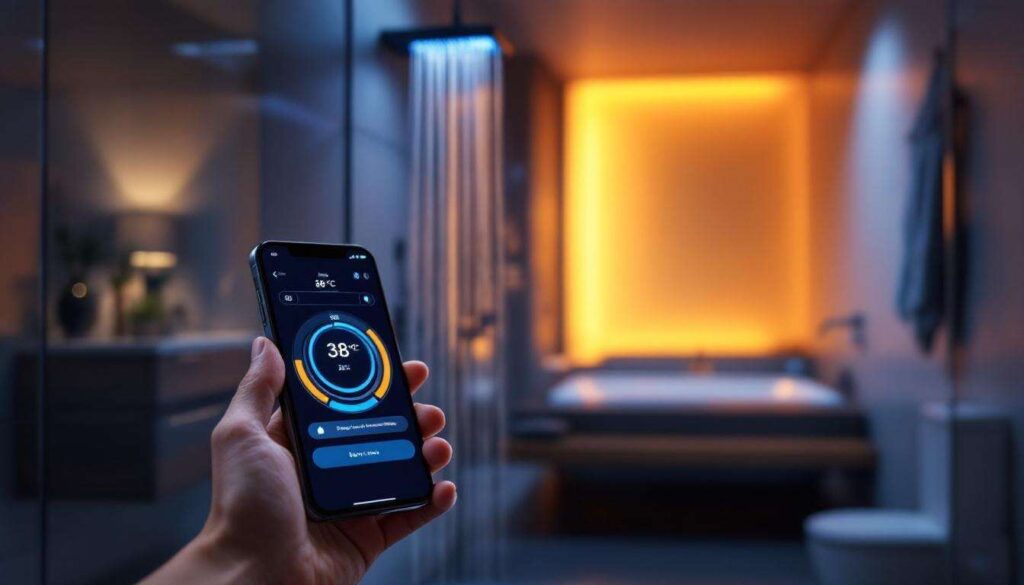
Stepping into a shower and finding the water too cold or scalding hot has long been an unavoidable annoyance of daily life. Modern technology now offers a solution: digital showers controlled via smartphone applications that promise precision temperature settings and personalised experiences. These innovative systems are transforming bathrooms into smart spaces, but the question remains whether the benefits justify the investment for average households. As connected home devices proliferate, shower technology represents one of the most intimate integrations of digital control into our routines.
Technological revolution: connected digital showers
What defines a digital shower system
Digital showers represent a significant departure from traditional mixer valves and thermostatic controls. These systems utilise electronic processors and digital interfaces to manage water temperature and flow with unprecedented accuracy. Unlike conventional showers that rely on mechanical mixing of hot and cold water, digital versions employ solenoid valves controlled by microprocessors that adjust water delivery in real time.
The core components include:
- A processing unit that receives commands and manages water distribution
- Digital temperature sensors providing feedback within 0.1-degree accuracy
- Smartphone connectivity via Wi-Fi or Bluetooth protocols
- Touchscreen controls or voice-activated interfaces
- Programmable user profiles storing individual preferences
Market leaders and available models
Several manufacturers have entered this emerging market with varying approaches. Moen offers the U by Moen system, whilst Kohler provides the DTV+ digital showering experience. British companies like Aqualisa and Grohe have developed sophisticated systems specifically for European markets, accounting for different plumbing standards and water pressure variations.
| Brand | Temperature precision | App features | Voice control |
|---|---|---|---|
| Aqualisa Q | ±0.5°C | Remote start, profiles | Alexa compatible |
| Grohe SmartControl | ±0.3°C | Usage tracking, presets | Google Assistant |
| Moen U | ±0.2°C | Multiple outlets, timers | Alexa, Google |
Understanding the technical foundation of these systems provides context for evaluating their practical functionality in everyday use.
Understanding how smart showers work
The mechanics behind temperature precision
Traditional thermostatic showers maintain temperature through a wax element that expands and contracts, adjusting the hot-cold water ratio. Digital systems replace this mechanical approach with electronic sensors and rapid-response valves that make adjustments dozens of times per second. This responsiveness eliminates the temperature fluctuations that occur when someone elsewhere in the home uses water.
The process functions through several stages:
- Temperature sensors measure incoming hot and cold water supplies
- The processor calculates the precise mixing ratio required
- Solenoid valves open to specific positions within milliseconds
- Continuous monitoring adjusts for supply variations
- Safety protocols prevent scalding by limiting maximum temperatures
Smartphone integration and remote capabilities
The smartphone application serves as the primary interface for most digital shower systems. Users can programme their preferred temperature, typically displayed in Celsius with single-degree precision. Many systems allow multiple user profiles, automatically recognising individuals through the app and adjusting settings accordingly.
Remote start functionality enables users to activate the shower from another room, ensuring the water reaches the desired temperature before entry. This feature proves particularly valuable during winter months when initial water temperature can be uncomfortably cold. Some advanced systems incorporate water usage tracking, providing data on consumption patterns and encouraging conservation.
These operational details reveal the sophistication of modern shower technology, which naturally leads to examining the tangible advantages these systems provide.
The benefits of a connected shower for the home
Consistency and comfort enhancement
The primary advantage of digital showers lies in their ability to deliver absolutely consistent temperature regardless of external factors. When someone flushes a toilet or starts a washing machine, traditional showers often experience sudden temperature shifts. Digital systems compensate for these pressure changes instantaneously, maintaining the selected temperature within a fraction of a degree.
For households with elderly residents or young children, this consistency provides significant safety benefits. Scalding accidents decrease dramatically when temperature cannot unexpectedly spike, and the ability to set maximum temperature limits adds an additional safety layer.
Water and energy conservation
Digital showers contribute to resource conservation in several ways. The elimination of temperature adjustment time means less water flows down the drain whilst users wait for comfortable conditions. Studies suggest this can reduce water waste by 15-20% compared to traditional systems.
| Feature | Water saved annually | Energy reduction |
|---|---|---|
| Instant temperature | 4,500-6,000 litres | 8-12% |
| Usage tracking | 2,000-3,500 litres | 4-6% |
| Timed sessions | 3,000-5,000 litres | 5-9% |
Many systems include timer functions that alert users when they’ve showered for a predetermined duration, encouraging shorter sessions. The accompanying apps often display water consumption data, making conservation efforts more tangible and motivating behavioural changes.
Accessibility advantages
For individuals with mobility limitations or visual impairments, digital showers offer meaningful accessibility improvements. Voice control eliminates the need to manipulate small knobs or levers, whilst smartphone interfaces can utilise accessibility features like screen readers or enlarged text. Remote start capabilities allow caregivers to prepare showers for those requiring assistance.
Whilst these benefits appear substantial, potential adopters must also weigh certain considerations regarding security and privacy.
Security and privacy concerns
Data collection and usage patterns
Connected shower systems inevitably collect data about household routines. This information includes shower frequency, duration, preferred temperatures, and timing patterns. Manufacturers typically use this data to improve products and provide usage insights, but the collection raises legitimate privacy questions.
Most reputable manufacturers implement encryption protocols and store data on secure servers. However, users should review privacy policies to understand:
- What specific data points are collected and retained
- Whether information is shared with third parties
- How long historical data remains stored
- User rights regarding data deletion and access
- Compliance with GDPR and other privacy regulations
Cybersecurity vulnerabilities
Any internet-connected device presents potential security risks. Whilst the consequences of a compromised shower system seem less severe than banking or security camera breaches, vulnerabilities still warrant attention. Weak passwords or outdated firmware could theoretically allow unauthorised access to home networks through the shower system.
Manufacturers address these concerns through regular security updates and multi-factor authentication options. Users can mitigate risks by maintaining strong unique passwords, updating firmware promptly, and using separate network segments for IoT devices when possible.
Balancing these security considerations against the benefits requires examining the practical aspects of installation and ongoing costs.
Installation and cost: is it a justified investment ?
Initial purchase and installation expenses
Digital shower systems command premium prices compared to traditional alternatives. Basic models start around £800-£1,200, whilst comprehensive systems with multiple outlets and advanced features can exceed £3,000. Installation costs add £300-£800 depending on existing plumbing configuration and electrical requirements.
The installation process typically requires:
- Professional plumbing work to integrate the digital processor unit
- Electrical connections for the control system (often requiring a qualified electrician)
- Network configuration for smartphone connectivity
- Potential modifications to accommodate new control panels
Long-term value assessment
Evaluating return on investment involves considering both tangible savings and intangible benefits. Water and energy conservation can reduce utility bills by £80-£150 annually for an average household. At this rate, the system might achieve payback within 10-15 years through savings alone.
However, additional value factors include increased home resale appeal, enhanced daily comfort, and potential insurance benefits from reduced scalding risks. Warranty coverage typically spans 2-5 years for electronic components, with manufacturers offering extended protection plans.
These financial considerations become clearer when directly compared against conventional shower technology.
Comparison with traditional shower systems
Performance and reliability metrics
Traditional thermostatic showers have proven reliability, with mechanical components lasting 10-15 years with minimal maintenance. Digital systems contain more complex electronics that may require earlier replacement, though quality manufacturers design for comparable lifespans. The key difference lies in failure modes: mechanical showers degrade gradually, whilst electronic systems may fail more suddenly.
| Aspect | Traditional thermostatic | Digital smart shower |
|---|---|---|
| Temperature accuracy | ±2-3°C | ±0.2-0.5°C |
| Response to pressure changes | 2-4 seconds | Instant |
| Average lifespan | 12-15 years | 10-12 years |
| Maintenance requirements | Minimal | Firmware updates |
User experience differences
The experiential gap between systems proves most noticeable during daily use. Digital showers eliminate the trial-and-error adjustment period, delivering the desired temperature immediately. For households with multiple users, individual profiles remove the need for constant readjustment between family members.
Traditional systems offer simplicity and independence from technology. They function during power outages and never require software updates. For users uncomfortable with technology or concerned about complexity, conventional thermostatic showers provide straightforward reliability.
Digital showers have transformed from novelty to viable option for modern homes seeking enhanced comfort and efficiency. The technology delivers genuine benefits through precise temperature control, water conservation, and accessibility improvements. However, the substantial initial investment, privacy considerations, and dependence on electronics mean they suit specific circumstances rather than universal application. Households prioritising cutting-edge convenience and willing to embrace connected home ecosystems will find value in the upgrade. Those satisfied with reliable traditional systems may reasonably conclude the incremental benefits don’t justify the cost. The decision ultimately depends on individual priorities, budget flexibility, and comfort with integrating technology into intimate daily routines.