
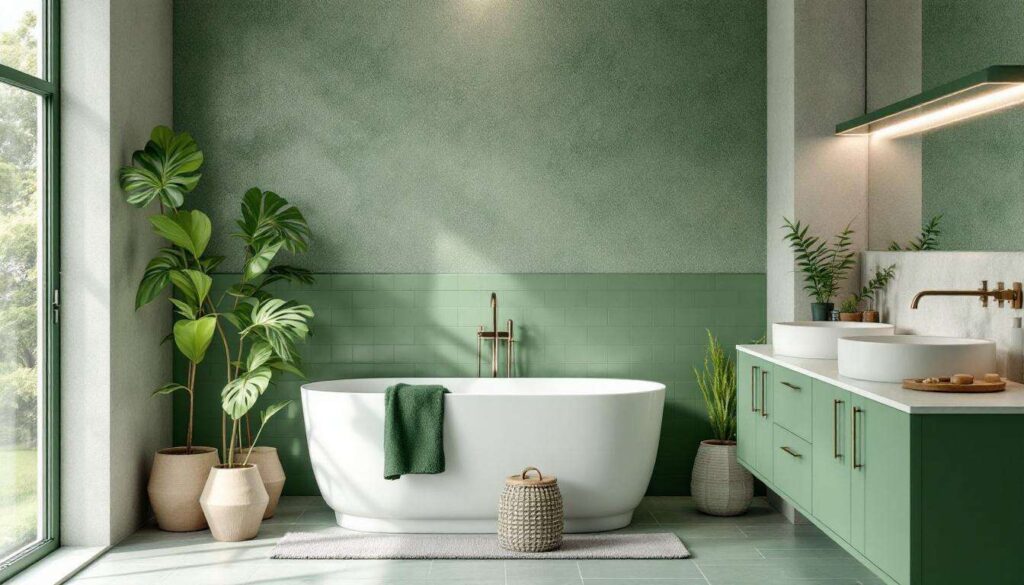
British homeowners are embracing a palette of verdant hues that transform their bathrooms into tranquil retreats. The shift towards sage, olive, and eucalyptus tones reflects a broader cultural movement that prioritises wellness, sustainability, and connection to nature. These earthy shades have overtaken the sterile whites and clinical greys that dominated bathroom design for decades, offering a refreshing alternative that resonates with contemporary sensibilities. The popularity of green in bathroom spaces speaks to our collective desire for environments that promote relaxation whilst maintaining aesthetic sophistication.
The emergence of the green trend in British bathrooms
Historical context of colour trends in bathroom design
Bathroom colour schemes have undergone significant transformations over the past century. The avocado green suites of the 1970s gave way to the minimalist white aesthetics of the 1990s and early 2000s. However, the current green revival differs fundamentally from its predecessors. Rather than bold, saturated hues, today’s preferences lean towards muted, sophisticated tones that evoke natural landscapes. This evolution reflects changing attitudes towards domestic spaces, with bathrooms now viewed as sanctuaries rather than purely functional rooms.
Social media’s role in popularising green bathrooms
The rise of Instagram and Pinterest has accelerated the adoption of green bathroom schemes across the United Kingdom. Interior design influencers showcase these calming spaces, generating millions of impressions and inspiring homeowners to reimagine their own bathrooms. The hashtag #greenbathroom has accumulated substantial engagement, creating a visual repository of design ideas that span various interpretations of the trend. This digital amplification has democratised interior design, making sophisticated colour choices accessible to a broader audience.
| Platform | Green Bathroom Posts | Engagement Rate |
|---|---|---|
| 2.3 million | 4.7% | |
| 1.8 million | 6.2% | |
| TikTok | 890,000 | 8.1% |
Understanding these digital influences provides context for how quickly green has permeated bathroom design conversations, setting the stage for exploring the specific shades that have captured British imagination.
Sage, olive, and eucalyptus: soothing colours for a zen space
The psychological benefits of green tones
Research in environmental psychology demonstrates that green hues have measurable effects on human wellbeing. These colours reduce cortisol levels, lower blood pressure, and promote feelings of calm and restoration. In bathroom settings, where many people begin and end their day, such psychological benefits prove particularly valuable. The specific shades popular in British bathrooms offer distinct emotional qualities:
- Sage green provides gentle sophistication with its grey undertones, creating a sense of timeless elegance
- Olive tones introduce warmth and earthiness, evoking Mediterranean landscapes and natural materials
- Eucalyptus shades offer a fresher, more invigorating quality whilst maintaining the calming properties of green
- Forest green adds depth and drama for those seeking bolder statements within the green spectrum
Creating harmonious colour combinations
These green shades work exceptionally well with complementary materials and colours. Natural wood, brass fixtures, and white ceramics enhance the organic feel of green bathrooms. Terracotta accents provide warmth, whilst black elements introduce contemporary contrast. The versatility of sage, olive, and eucalyptus allows homeowners to adjust the intensity of the green aesthetic according to personal preferences and existing architectural features.
The connection between these calming colours and broader environmental concerns becomes increasingly apparent when examining why sustainability has influenced these design choices.
The impact of sustainability on colour choices in 2026
Eco-consciousness driving design decisions
The preference for green bathroom colours reflects a deeper commitment to environmental values. Homeowners increasingly select paint brands that offer low-VOC formulations, natural pigments, and sustainable production methods. The colour green itself serves as a visual reminder of ecological principles, reinforcing daily habits around water conservation and energy efficiency. This alignment between aesthetic choices and environmental ethics represents a significant shift in consumer behaviour.
Sustainable materials complementing green palettes
The green colour trend coincides with increased demand for eco-friendly bathroom materials. Recycled tiles, reclaimed wood vanities, and water-saving fixtures complement green walls and cabinetry. Many manufacturers now produce bathroom products specifically designed to harmonise with natural colour schemes:
| Material Type | Sustainability Feature | Compatibility with Green Tones |
|---|---|---|
| Recycled glass tiles | 70% post-consumer content | Excellent |
| Bamboo cabinetry | Rapidly renewable resource | Very good |
| Cork flooring | Biodegradable and renewable | Good |
| Reclaimed wood | Zero new resource extraction | Excellent |
These practical considerations naturally lead to questions about implementation, prompting homeowners to seek guidance on incorporating these fashionable hues into their own spaces.
How to incorporate shades of green into your bathroom
Starting with accent walls and textiles
For those hesitant to commit fully to green bathrooms, accent walls provide an ideal entry point. Painting a single wall in sage or eucalyptus whilst maintaining neutral tones elsewhere creates visual interest without overwhelming the space. Towels, bath mats, and shower curtains in green shades offer even lower-commitment options that can be easily changed if preferences evolve.
Comprehensive green bathroom transformations
Homeowners ready for complete renovations have numerous options for creating cohesive green bathroom schemes. Consider these approaches:
- Painted cabinetry in olive or sage provides substantial visual impact whilst remaining cost-effective
- Green tiles in subway, hexagon, or zellige patterns create permanent architectural features
- Wallpaper with botanical or abstract green patterns adds texture and complexity
- Tinted glass shower enclosures introduce subtle green tones through functional elements
- Coloured sanitaryware in muted green shades offers a distinctive statement for bold designers
Balancing green with other design elements
Successful green bathrooms require careful attention to lighting and proportion. Natural light enhances the organic quality of green tones, whilst warm artificial lighting prevents spaces from feeling cold. In smaller bathrooms, lighter shades like eucalyptus maintain airiness, whereas larger spaces can accommodate deeper olive tones. Mirrors, metallic fixtures, and strategic white elements prevent green from dominating excessively.
The botanical associations of these colours connect directly to another significant influence on contemporary bathroom design.
The influence of houseplants on decoration choices
The indoor plant movement and biophilic design
The proliferation of houseplants in British homes has fundamentally altered interior design aesthetics. Bathrooms, with their typically high humidity, provide ideal environments for tropical species like ferns, pothos, and peace lilies. As homeowners accumulated more plants, the logical progression involved creating backdrop colours that complement foliage rather than compete with it. Green walls enhance rather than clash with botanical displays, creating cohesive biophilic environments.
Creating indoor gardens in bathroom spaces
The concept of the bathroom as indoor garden has gained considerable traction. Vertical plant walls, hanging planters, and windowsill arrangements transform functional spaces into lush retreats. Green paint colours unify these elements, making the distinction between cultivated plants and decorative surfaces intentionally ambiguous. This approach particularly appeals to urban dwellers seeking nature connection within limited square footage.
| Plant Type | Humidity Tolerance | Best Green Backdrop |
|---|---|---|
| Boston fern | Very high | Sage green |
| Pothos | High | Eucalyptus |
| Snake plant | Medium | Olive |
| Orchid | High | Pale sage |
Professional designers have observed these grassroots trends and developed sophisticated perspectives on why green has achieved such dominance.
Designers’ opinions on the popularity of green tones
Industry perspectives on the green bathroom phenomenon
Leading British interior designers acknowledge that green bathroom schemes represent more than fleeting fashion. Design professionals note that clients increasingly request these colours specifically, often arriving at consultations with curated inspiration boards. The trend’s longevity stems from its foundation in psychological comfort and environmental values rather than mere aesthetic novelty. Designers predict that whilst specific shades may evolve, the broader green palette will remain relevant for years.
Professional recommendations for implementing green schemes
Experienced designers offer practical guidance for homeowners considering green bathrooms:
- Test paint samples in actual bathroom lighting conditions, as green hues shift dramatically between natural and artificial light
- Consider the room’s orientation, with north-facing bathrooms benefiting from warmer olive tones and south-facing spaces accommodating cooler eucalyptus shades
- Invest in quality paint specifically formulated for high-moisture environments to ensure longevity
- Balance trendy colours with timeless fixtures to facilitate future updates without complete renovations
- Incorporate texture through tiles, wallpaper, or textiles to prevent flat, monotonous green surfaces
The commercial sector’s response
Manufacturers and retailers have responded enthusiastically to demand for green bathroom products. Major paint companies now feature multiple green shades in their core collections, whilst tile manufacturers offer expanded ranges of green ceramics and natural stone. This commercial validation suggests the trend has achieved mainstream acceptance beyond early adopters, indicating sustained market presence rather than temporary popularity.
The widespread adoption of green in British bathrooms reflects a convergence of aesthetic preferences, environmental consciousness, and psychological needs. These verdant hues have proven remarkably adaptable, working effectively in period properties and contemporary new builds alike. Whether implemented through comprehensive renovations or modest updates, sage, olive, and eucalyptus tones offer homeowners opportunities to create personalised sanctuaries that promote daily wellbeing. The trend’s foundation in timeless principles of biophilic design and sustainable living suggests that green bathrooms will continue defining British interior aesthetics well beyond current predictions, evolving in shade and application whilst maintaining their essential connection to nature and tranquillity.