


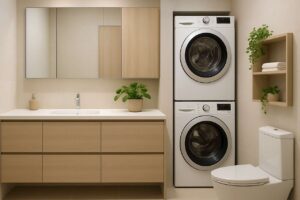
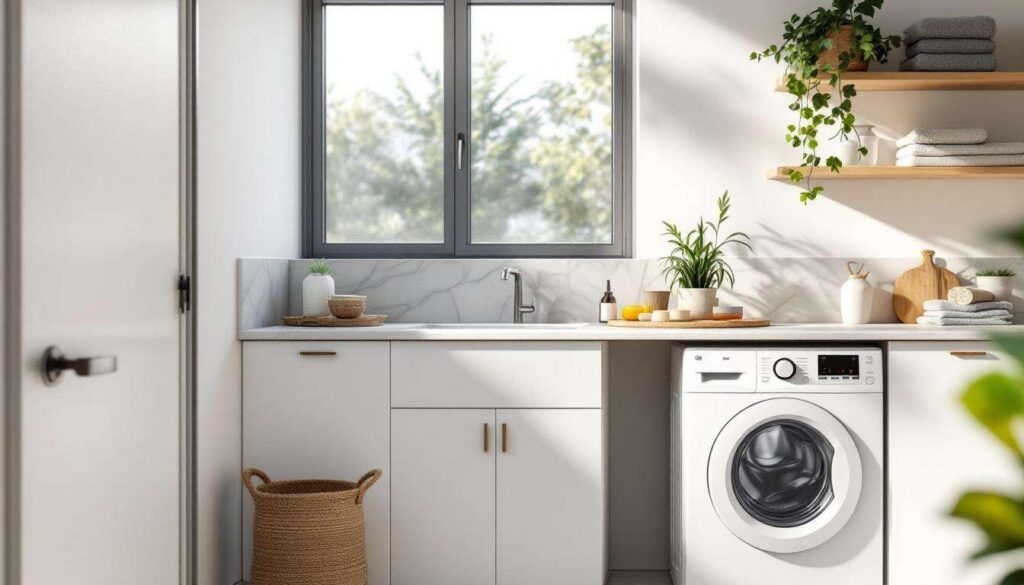
Small-space living presents unique challenges for homeowners and renters alike, particularly when it comes to accommodating essential household functions within limited square meterage. The laundry-bathroom hybrid has emerged as an ingenious solution that addresses the spatial constraints faced by urban dwellers, young professionals, and anyone seeking to maximise their property’s functionality. Renovators across the country are championing this dual-purpose design as a practical response to the growing demand for compact yet fully-equipped living spaces. By combining washing facilities with bathing areas, homeowners can reclaim valuable floor space whilst maintaining all necessary amenities. This integrated approach represents a significant shift in how we conceptualise domestic architecture, challenging traditional notions about room separation and dedicated functions.
Origin of the laundry-bathroom hybrid concept
European influences on compact living design
The laundry-bathroom hybrid concept traces its roots to European apartment design, where space efficiency has long been a necessity rather than a choice. Countries such as Germany, the Netherlands, and Scandinavia pioneered the integration of washing machines within bathroom spaces decades ago, normalising what British homeowners once considered unconventional. These nations developed sophisticated plumbing systems and ventilation solutions that made the combination both practical and hygienic. The approach reflected a broader cultural acceptance of multifunctional spaces, where rooms served multiple purposes without compromising comfort or aesthetics. As urbanisation intensified throughout Europe, architects and interior designers refined these concepts, creating blueprints that would eventually influence global housing trends.
Adoption in the United Kingdom
British property developers initially resisted the laundry-bathroom hybrid, preferring traditional layouts with separate utility rooms. However, several factors contributed to its gradual acceptance:
- Rising property prices in metropolitan areas forcing developers to maximise every square metre
- Increased demand for studio and one-bedroom flats among young professionals
- Growing awareness of successful European models demonstrating the concept’s viability
- Advances in compact appliance technology making integration more seamless
The concept gained particular traction in London and other major cities where spatial constraints demanded innovative solutions. Renovators began recognising that combining these functions could unlock significant value in older properties with awkward layouts or limited footprints.
Understanding where this concept originated helps explain why it has become such a compelling solution for contemporary spatial challenges, particularly as housing markets continue to evolve.
Why the laundry-bathroom hybrid is gaining popularity
Addressing the space crisis in urban properties
The primary driver behind the laundry-bathroom hybrid’s popularity remains the persistent shortage of affordable housing in urban centres. Average property sizes have decreased considerably over recent years, with new-build flats often measuring significantly smaller than their predecessors. This reduction in available space has forced homeowners and developers to reconsider how every room functions. The laundry-bathroom hybrid eliminates the need for a separate utility room, freeing up space that can be allocated to living areas, additional storage, or even an extra bedroom. For first-time buyers and young families, this spatial efficiency can make the difference between affording a property or remaining in the rental market.
Changing lifestyle expectations
Modern households operate differently than previous generations, with lifestyle changes influencing design preferences:
- Increased working from home requiring dedicated office spaces
- Smaller household sizes reducing laundry volume and frequency
- Greater emphasis on open-plan living over segregated rooms
- Preference for minimalist aesthetics that favour streamlined spaces
Financial considerations driving adoption
The economic advantages of laundry-bathroom hybrids extend beyond simply maximising existing space. Renovation costs are significantly lower when plumbing infrastructure can be consolidated within a single area rather than distributed across multiple rooms. This concentration reduces material expenses, labour hours, and potential complications during installation. Property investors have also recognised that well-executed hybrids can increase rental yields by offering functional amenities within smaller, more affordable units that appeal to budget-conscious tenants.
These practical and financial benefits explain why renovators increasingly recommend this solution, particularly for properties where traditional layouts prove impractical or economically unviable.
Maximising space: tips and tricks from renovators
Strategic appliance placement
Professional renovators emphasise that successful laundry-bathroom integration depends heavily on thoughtful appliance positioning. Washing machines should ideally be placed beneath countertops or within custom cabinetry to maintain visual cohesion with bathroom fixtures. Slimline models measuring 40-45 centimetres in depth work particularly well in tighter spaces, whilst combination washer-dryers eliminate the need for separate drying facilities. Positioning appliances near existing plumbing connections minimises installation complexity and reduces the risk of moisture-related issues. Many renovators recommend corner installations to preserve central floor space for movement and other essential fixtures.
Vertical storage solutions
When floor space is limited, exploiting vertical surfaces becomes essential:
- Wall-mounted cabinets above washing machines for detergent and cleaning supplies
- Tall, narrow shelving units that maximise height without consuming floor area
- Recessed wall niches for toiletries and laundry products
- Over-door organisers for additional storage capacity
- Fold-down drying racks that retract when not in use
Ventilation and moisture management
Adequate ventilation represents a critical consideration in laundry-bathroom hybrids, as these spaces generate substantial moisture from both bathing and washing activities. Renovators typically specify extractor fans with higher extraction rates than standard bathroom installations, often recommending units capable of moving at least 15 litres per second. Some installations incorporate humidity-sensing technology that automatically activates ventilation when moisture levels rise. Proper ventilation prevents mould growth, protects fixtures from water damage, and maintains air quality throughout the space.
These practical strategies demonstrate how careful planning transforms potential challenges into functional, attractive spaces that serve multiple purposes effectively.
Essential equipment for an efficient laundry-bathroom
Compact appliances designed for dual-purpose spaces
The market now offers specifically designed appliances that cater to laundry-bathroom hybrids. Manufacturers have developed washing machines with reduced noise levels, addressing concerns about disturbance during bathing or morning routines. Models with quick-wash cycles prove particularly valuable, allowing users to complete laundry tasks without prolonged disruption to bathroom access. Combination washer-dryers, whilst sometimes criticised for capacity limitations, provide comprehensive laundry solutions without requiring separate drying space. Front-loading machines generally integrate more seamlessly than top-loaders, as their horizontal orientation allows for countertop installation above the unit.
Plumbing and electrical requirements
| Component | Specification | Purpose |
|---|---|---|
| Water supply | 15mm copper or approved alternative | Adequate pressure for washing machine operation |
| Waste pipe | 40mm minimum diameter | Efficient drainage from appliance |
| Electrical outlet | 13-amp socket with RCD protection | Safe power supply meeting building regulations |
| Extractor fan | 15+ litres/second extraction rate | Moisture control and air quality |
Waterproofing and surface materials
Selecting appropriate materials ensures longevity and functionality in these moisture-intensive environments. Porcelain tiles remain the preferred choice for flooring and wall surfaces, offering superior water resistance compared to natural stone or laminate alternatives. Sealed grout lines prevent water penetration that could compromise structural integrity over time. Renovators often recommend continuous waterproof membranes beneath tiled surfaces, providing an additional layer of protection against leaks. Moisture-resistant paint formulations should be applied to any non-tiled surfaces, whilst avoiding materials like standard plasterboard that deteriorate when exposed to persistent humidity.
Investing in quality equipment and materials from the outset prevents costly remedial work and ensures the space functions reliably for years to come.
Economic and environmental impact of this solution
Reduced construction and renovation costs
The financial benefits of laundry-bathroom hybrids extend throughout the property lifecycle. Initial construction costs decrease when developers can eliminate separate utility rooms, reducing the overall building footprint and associated material expenses. Plumbing installation becomes more economical when water supply and drainage systems are concentrated within a single area rather than distributed across multiple rooms. For renovation projects, converting existing bathrooms to accommodate laundry facilities typically costs between £2,000 and £5,000, significantly less than constructing an entirely new utility room. These savings make the hybrid approach particularly attractive for budget-conscious homeowners seeking to maximise functionality without substantial capital investment.
Energy efficiency advantages
Consolidated spaces offer several environmental benefits:
- Reduced heating requirements due to smaller overall floor area
- More efficient hot water distribution with shorter pipe runs
- Lower material consumption during construction and renovation
- Decreased energy expenditure for ventilation and climate control
Long-term property value considerations
Estate agents report that well-executed laundry-bathroom hybrids can enhance property values, particularly in urban markets where space efficiency commands a premium. Properties offering functional laundry facilities within compact footprints appeal to a broader range of potential buyers, including young professionals, downsizers, and investors seeking rental properties. The key lies in professional execution that maintains aesthetic appeal whilst incorporating practical amenities. Poorly implemented conversions that compromise bathroom functionality or appear cramped can actually diminish property values, underscoring the importance of skilled design and installation.
These economic and environmental considerations demonstrate why the laundry-bathroom hybrid represents not just a spatial solution but a financially sound and ecologically responsible choice.
Future trends and innovations to watch
Smart technology integration
The next generation of laundry-bathroom hybrids will likely incorporate advanced smart home technology that enhances convenience and efficiency. Washing machines with smartphone connectivity already allow users to monitor cycle progress remotely and receive notifications when laundry is complete. Future developments may include integrated scheduling systems that coordinate washing machine operation with bathroom usage patterns, automatically running cycles during periods of low bathroom demand. Voice-activated controls could enable hands-free operation, whilst artificial intelligence might optimise wash settings based on load composition and fabric types.
Modular and adaptable design solutions
Manufacturers are developing increasingly sophisticated modular systems that allow homeowners to reconfigure spaces as needs evolve:
- Moveable partition systems that temporarily separate laundry and bathing areas
- Appliances on sliding mechanisms that retract into cabinetry when not in use
- Convertible fixtures that serve multiple functions depending on configuration
- Adjustable storage solutions that accommodate changing household requirements
Sustainable materials and water recycling
Environmental concerns are driving innovation in water conservation technologies specifically designed for laundry-bathroom hybrids. Greywater recycling systems that capture water from showers and basins for use in washing machines are becoming more affordable and compact. These systems can reduce household water consumption by up to 30 percent, delivering both environmental and financial benefits. Manufacturers are also developing antimicrobial surface treatments and self-cleaning materials that reduce maintenance requirements whilst maintaining hygiene standards in these multi-functional spaces.
Homeowners considering laundry-bathroom hybrids can anticipate continued innovation that will make these spaces even more practical, efficient, and environmentally responsible in coming years.
The laundry-bathroom hybrid has evolved from a space-saving compromise into a sophisticated design solution that addresses multiple contemporary housing challenges. Its origins in European compact living have been refined through British innovation, resulting in spaces that successfully balance functionality with aesthetics. Rising property prices, changing lifestyle expectations, and environmental considerations have all contributed to its growing popularity amongst renovators and homeowners. When properly executed with appropriate appliances, adequate ventilation, and quality materials, these dual-purpose spaces deliver significant economic benefits whilst reducing environmental impact. As smart technology and sustainable innovations continue to emerge, the laundry-bathroom hybrid is positioned to become an increasingly standard feature in modern homes, particularly within urban environments where space remains at a premium.