



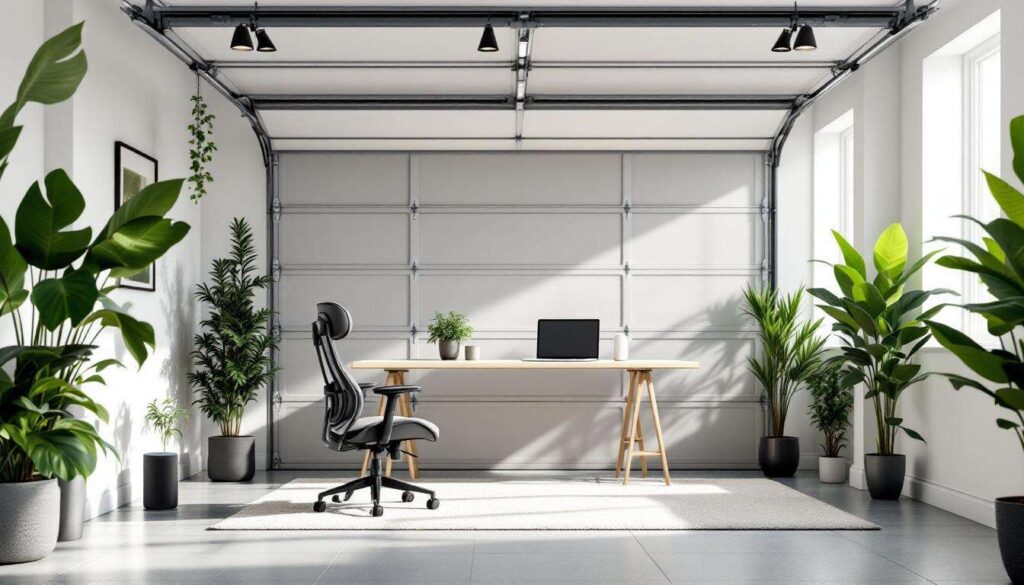
Remote working has fundamentally altered how British households utilise their living spaces. The garage, once relegated to storing forgotten belongings and rarely-used equipment, has emerged as the ideal candidate for transformation into a productive home office. This conversion offers homeowners a practical solution that avoids the complexity and expense of traditional extensions whilst creating dedicated professional space separate from the main living areas. With careful planning and strategic material choices, this project can be completed for under £5,000, making it an accessible option for many households seeking to enhance their property’s functionality without breaking the bank.
Reasons for converting garages into home offices
The shift towards flexible working arrangements
The landscape of employment has changed dramatically, with flexible working patterns becoming standard rather than exceptional. Many organisations now permit employees to work from home several days per week, creating a genuine need for dedicated workspace within residential properties. Converting a garage addresses this requirement by providing a separate area that maintains boundaries between professional and personal life, something increasingly valued by those juggling work responsibilities alongside household demands.
Space constraints in modern homes
British homes, particularly those built in recent decades, often lack the square footage needed to accommodate a proper office without sacrificing essential living areas. Garages typically offer:
- Between 12 and 20 square metres of floor space
- Separate access from the main house
- Existing structural foundations and walls
- Potential for natural light through new windows or skylights
This existing infrastructure significantly reduces the complexity and cost compared to building from scratch, whilst the physical separation from household activity creates an environment conducive to concentration and productivity.
Adding value to property
Estate agents consistently report that functional home offices appeal to prospective buyers, particularly those seeking properties that accommodate modern working patterns. A well-executed garage conversion can increase property value by £10,000 to £15,000, representing a substantial return on a £5,000 investment. This financial consideration makes the project attractive even for homeowners who may relocate in the future.
Beyond practical workspace considerations, the financial advantages of garage conversions merit closer examination to understand the full scope of benefits.
Economic benefits of the transformation
Comparing costs with traditional extensions
Traditional home extensions typically cost between £15,000 and £30,000, placing them beyond reach for many households. Garage conversions offer comparable additional space at a fraction of the price because the fundamental structure already exists. The primary expenses involve insulation, internal finishing, electrical work, and heating installation rather than foundations, external walls, and roofing that dominate extension budgets.
| Project type | Average cost | Timeframe |
|---|---|---|
| Traditional extension | £20,000-£30,000 | 3-6 months |
| Garage conversion | £3,000-£7,000 | 2-4 weeks |
| Loft conversion | £15,000-£25,000 | 6-8 weeks |
Savings on commercial office space
Renting desk space in co-working facilities or business centres costs between £150 and £400 monthly in most UK locations, translating to £1,800 to £4,800 annually. A garage conversion that costs £5,000 pays for itself within approximately two years whilst providing permanent workspace that remains available indefinitely. Additionally, homeowners avoid commuting costs, parking fees, and time lost to travel, creating further economic advantages that compound over time.
Tax considerations and allowances
Self-employed individuals and business owners may claim tax deductions for home office expenses, including a portion of heating, electricity, and internet costs. Whilst the conversion itself cannot typically be claimed as a business expense, the ongoing operational costs associated with running a home office can reduce tax liability. Consulting with an accountant ensures compliance whilst maximising legitimate deductions available under current regulations.
Understanding these financial benefits provides context for making informed decisions about materials and approaches that keep the project within budget.
Choosing materials for a budget-friendly project
Insulation options that balance cost and performance
Proper insulation represents the foundation of a comfortable workspace, preventing heat loss during winter whilst maintaining cool temperatures in summer. Rigid insulation boards offer excellent thermal performance at reasonable cost, typically priced between £15 and £30 per square metre. For walls, 50mm boards provide adequate insulation, whilst ceilings benefit from 100mm thickness to meet building regulations and ensure year-round comfort.
Alternative options include:
- Mineral wool batts: cost-effective but require careful installation to avoid gaps
- Spray foam insulation: superior performance but exceeds budget constraints for most projects
- Multifoil insulation: space-saving but requires professional installation for optimal results
Flooring solutions for different budgets
Garage floors typically consist of concrete, which requires covering for comfort and aesthetics. Laminate flooring provides an economical solution, costing approximately £8 to £15 per square metre including underlay. This material offers decent durability, easy installation for DIY enthusiasts, and acceptable appearance for professional video calls. Vinyl plank flooring represents another budget-friendly alternative with improved water resistance, particularly valuable if the garage previously experienced dampness issues.
Wall finishing and decoration
Plasterboard remains the standard choice for creating smooth wall surfaces, with 12.5mm boards costing roughly £5 to £8 per sheet. Applying plasterboard directly to insulated walls creates a surface ready for painting or wallpaper. For those seeking to minimise costs further, tongue-and-groove cladding offers an attractive finish that requires no plastering, though it provides a more rustic aesthetic that may not suit everyone’s preferences.
Windows and doors within budget
Natural light dramatically improves any workspace, making window installation worthwhile despite the expense. UPVC windows suitable for garage conversions cost between £200 and £400 depending on size, representing a significant portion of the budget but delivering substantial benefits in terms of comfort and functionality. Standard external doors range from £150 to £300, with composite options offering better security and insulation than basic timber alternatives.
With materials selected, attention turns to the practical implementation that transforms these components into a functioning office environment.
Key steps for setting up a functional office
Planning permission and building regulations
Most garage conversions qualify as permitted development, meaning formal planning permission is unnecessary provided the work complies with specific criteria. However, building regulations approval remains mandatory, covering aspects including structural integrity, fire safety, ventilation, and electrical installations. Engaging a building control inspector costs approximately £300 to £500 but ensures the conversion meets legal requirements and avoids potential complications when selling the property.
Electrical installation requirements
A functional office requires adequate electrical capacity for computers, lighting, heating, and other equipment. Installing a dedicated circuit from the main consumer unit ensures sufficient power supply without overloading existing circuits. This work must be completed by a qualified electrician registered with a competent person scheme, typically costing £400 to £800 depending on the distance from the main board and the number of sockets required. Budget for at least six double sockets distributed around the room to accommodate various equipment configurations.
Heating and ventilation solutions
Maintaining comfortable temperatures throughout the year requires appropriate heating, with electric panel heaters or oil-filled radiators offering cost-effective solutions for spaces this size. Installation costs remain minimal, and running costs prove acceptable for well-insulated rooms. Alternatively, extending the existing central heating system costs more initially but provides superior comfort and potentially lower operating expenses. Adequate ventilation prevents condensation and maintains air quality, achievable through trickle vents in windows or a simple mechanical extraction fan.
Internet connectivity considerations
Reliable internet access is non-negotiable for home offices. Extending the existing Wi-Fi network using mesh systems or powerline adapters costs between £50 and £150, providing adequate connectivity for most purposes. For those requiring maximum reliability, running an Ethernet cable from the router to the garage ensures consistent speeds without wireless interference, though this approach involves more complex installation through walls or underground conduit.
Even well-planned projects encounter obstacles, making awareness of common pitfalls valuable for avoiding costly mistakes.
Common mistakes to avoid during conversion
Inadequate insulation and damp-proofing
Garages were never designed as habitable spaces, meaning damp-proofing often proves inadequate for comfortable year-round use. Skimping on insulation or failing to address existing moisture issues creates uncomfortable conditions and potential long-term damage. Installing a damp-proof membrane beneath new flooring and ensuring walls include vapour barriers prevents moisture penetration that undermines insulation effectiveness and creates unhealthy working conditions.
Insufficient lighting planning
Natural light alone rarely suffices for productive workspace, particularly during winter months when daylight hours are limited. Planning for layered lighting including overhead fixtures, task lighting for the desk area, and ambient lighting for video calls creates a versatile environment suitable for various activities. Budget approximately £200 to £300 for quality lighting that reduces eye strain and maintains alertness throughout working hours.
Ignoring storage requirements
Offices accumulate paperwork, supplies, and equipment that require organised storage to maintain functionality. Incorporating built-in shelving or planning space for filing cabinets during the conversion proves more efficient than attempting to retrofit storage later. Simple shelving units cost £50 to £150 and dramatically improve the usability of the finished space.
Overlooking acoustic considerations
Sound transmission between the garage office and main house can disrupt both work activities and household routines. Adding acoustic insulation to walls adjoining living spaces and choosing solid-core doors rather than hollow alternatives minimises disturbance. This consideration proves particularly important for households with young children or those conducting frequent video conferences requiring quiet environments.
With potential problems addressed, focus shifts to maximising the effectiveness of the completed workspace.
Tips for optimising your new office space
Ergonomic furniture selection
Spending eight hours daily in uncomfortable seating creates health problems and reduces productivity. Investing in a quality office chair with proper lumbar support costs between £150 and £300 but proves essential for long-term wellbeing. Adjustable desks allowing alternation between sitting and standing positions cost from £200 upwards, offering health benefits that justify the expense for those spending significant time at their workspace.
Maximising natural light
Positioning the desk to benefit from natural light without creating screen glare requires careful consideration. Placing the desk perpendicular to windows rather than directly facing or backing onto them provides optimal lighting conditions throughout the day. Light-coloured wall finishes and strategic use of mirrors amplify available natural light, creating a brighter, more pleasant environment without additional electrical consumption.
Creating visual separation from home life
Even though the office occupies a separate structure, maintaining psychological boundaries between work and personal time remains important. Decorating the space differently from the main house, using distinct colour schemes or styling approaches, reinforces the mental shift between professional and domestic modes. This separation helps maintain work-life balance and prevents the blurring of boundaries that undermines both productivity and relaxation.
Future-proofing the installation
Technology evolves rapidly, making flexibility valuable in office design. Installing additional electrical sockets beyond immediate requirements costs little during initial conversion but proves expensive to add later. Similarly, running spare cable conduits through walls provides routes for future cabling needs without requiring disruptive modifications. These modest investments during construction create adaptable spaces that accommodate changing requirements over many years.
The transformation of an underutilised garage into productive workspace represents an achievable project for homeowners seeking practical solutions to modern working requirements. Careful material selection, attention to building regulations, and thoughtful planning create comfortable, functional offices for under £5,000. The economic benefits extend beyond immediate cost savings to include property value enhancement and ongoing reductions in commuting and commercial space expenses. By avoiding common pitfalls and implementing optimisation strategies, homeowners create professional environments that support productivity whilst maintaining clear boundaries between work and domestic life. This approach delivers lasting value that adapts to evolving needs, making garage conversion an intelligent investment for households embracing flexible working patterns.