



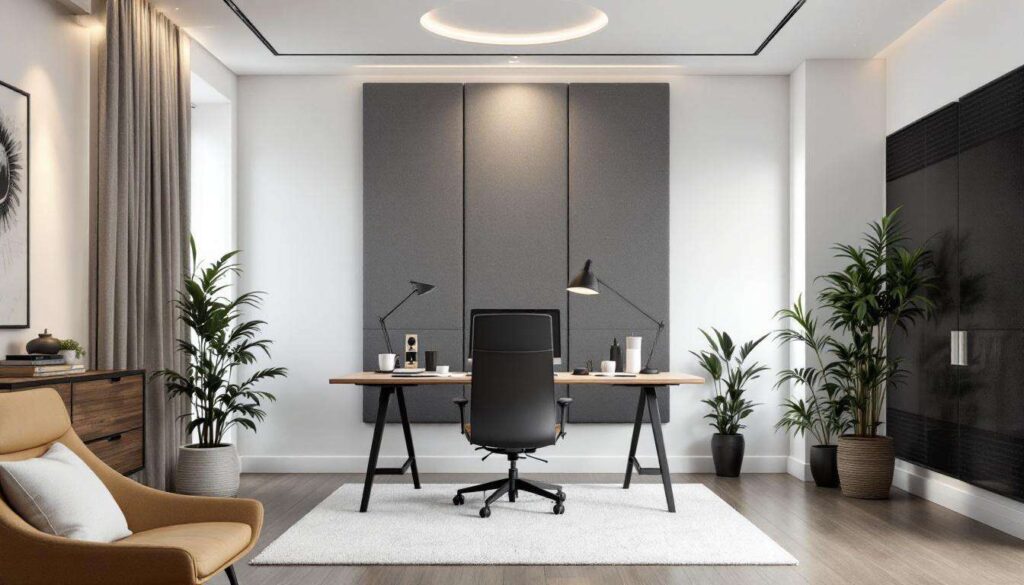
Spare rooms across the United Kingdom are undergoing a dramatic transformation, with acoustic panels emerging as the must-have solution for homeowners seeking both functionality and style. Recent data from Houzz reveals a staggering 625% increase in searches for acoustic panels, signalling a shift in how British households approach interior design and sound management. As remote working continues to reshape domestic spaces and home studios become increasingly common, the demand for effective soundproofing solutions has never been higher. Acoustic panels offer an accessible, aesthetically pleasing answer to noise concerns whilst simultaneously enhancing the visual appeal of previously underutilised rooms.
The rise of acoustic panels on Houzz
Unprecedented growth in acoustic panel searches
The home design platform Houzz has documented a remarkable surge in interest for acoustic panels, with searches climbing by 625% over recent periods. This exponential growth reflects a broader trend amongst British homeowners who are increasingly aware of the importance of sound quality within their living spaces. The platform’s data indicates that this isn’t merely a passing fad but rather a sustained movement towards creating multi-functional domestic environments that prioritise both comfort and practicality.
Contributing factors to the acoustic panel boom
Several key elements have converged to drive this unprecedented demand:
- The normalisation of hybrid working arrangements requiring dedicated home office spaces
- Growing interest in home recording studios and content creation
- Increased awareness of noise pollution’s impact on mental wellbeing
- The availability of stylish, design-forward acoustic solutions
- Social media showcasing attractive acoustic panel installations
The convergence of these factors has positioned acoustic panels as both a practical necessity and a desirable design feature, particularly for those repurposing spare bedrooms into productive spaces.
Understanding why these panels have captured the attention of British homeowners requires examining the specific needs and preferences driving this trend.
Why are acoustic panels appealing to British homeowners ?
Addressing the challenges of modern living
British homes, particularly in urban areas, face unique acoustic challenges. Terraced houses, semi-detached properties, and flats often suffer from sound transmission issues that affect quality of life. Acoustic panels provide an effective remedy without requiring extensive structural modifications or planning permissions. This non-invasive approach appeals to homeowners who want immediate results without the disruption and expense of major renovation projects.
The aesthetic appeal factor
Modern acoustic panels have evolved far beyond the utilitarian foam squares of previous decades. Today’s offerings include:
- Fabric-wrapped panels in designer colours and textures
- Geometric wooden slat designs
- Customisable printed acoustic art panels
- Three-dimensional sculptural installations
- Natural materials including felt, cork, and sustainable timber
This design versatility allows homeowners to integrate acoustic treatment seamlessly into their existing décor, transforming functional items into focal points that enhance rather than detract from interior aesthetics.
Cost-effectiveness and DIY accessibility
Compared to traditional soundproofing methods such as double glazing or wall insulation, acoustic panels represent a significantly more affordable solution. The DIY-friendly nature of panel installation further reduces costs whilst empowering homeowners to take control of their acoustic environment. This combination of affordability and accessibility has democratised soundproofing, making it attainable for a broader demographic.
Beyond their visual and financial appeal, the functional benefits of acoustic panels deserve closer examination.
The soundproofing benefits of acoustic panels
How acoustic panels work
Acoustic panels function by absorbing sound waves rather than blocking them entirely. When sound hits a hard surface, it reflects back into the room, creating echoes and reverberations that muddy audio clarity. Acoustic panels, constructed from porous materials, trap these sound waves, converting the acoustic energy into minimal heat through friction. This process significantly reduces echo, reverberation, and ambient noise within a space.
Measurable improvements in sound quality
| Room type | Without panels | With panels |
|---|---|---|
| Home office | High echo, poor call quality | Clear speech, professional audio |
| Music studio | Muddy recordings, frequency buildup | Accurate monitoring, balanced sound |
| Living space | TV audio unclear, conversations difficult | Improved clarity, comfortable atmosphere |
Specific applications for different needs
The versatility of acoustic panels makes them suitable for various scenarios:
- Home offices: reducing echo during video conferences and phone calls
- Music rooms: creating accurate listening environments for practice and recording
- Home cinemas: enhancing audio clarity and immersion
- Bedrooms: minimising external noise for better sleep quality
- Open-plan spaces: defining acoustic zones within larger areas
With the benefits clearly established, the practical matter of installation becomes the next consideration for interested homeowners.
How to install acoustic panels in a room
Planning your acoustic treatment
Successful acoustic panel installation begins with strategic planning. Rather than randomly placing panels, homeowners should identify primary reflection points where sound bounces most significantly. For a home office or studio, these typically include the wall behind the desk, the wall opposite the main sound source, and ceiling positions directly above the listening or working area.
Step-by-step installation process
Installing acoustic panels is remarkably straightforward:
- Measure and mark panel positions using a spirit level for alignment
- Select appropriate mounting hardware based on panel weight and wall type
- For lightweight panels, use adhesive strips or command hooks
- For heavier panels, drill pilot holes and use wall anchors with screws
- Attach mounting brackets or impaling clips to panels
- Hang panels securely, ensuring they sit flush against the wall
- Adjust spacing between panels for optimal acoustic and visual effect
Common mistakes to avoid
Even straightforward installations can benefit from awareness of potential pitfalls. Over-treatment represents a frequent error, where excessive panel coverage creates an overly dead acoustic environment that feels unnatural. Conversely, insufficient coverage fails to address acoustic problems adequately. A balanced approach, typically covering 25-40% of wall surface area, usually yields optimal results.
Once installed, these panels can fundamentally alter how a space functions and feels, particularly in rooms dedicated to relaxation.
Transform your relaxation room with acoustic panels
Creating a peaceful sanctuary
Spare rooms converted into relaxation spaces benefit enormously from acoustic treatment. Whether used for meditation, yoga, reading, or simply unwinding, these rooms require an atmosphere of tranquillity that harsh acoustics can undermine. Acoustic panels reduce ambient noise intrusion whilst softening internal sound, creating a cocoon-like environment conducive to genuine relaxation.
Enhancing specific relaxation activities
Different relaxation pursuits benefit from acoustic panels in distinct ways:
- Meditation spaces: panels minimise distracting external sounds, facilitating deeper focus
- Reading nooks: reduced echo creates a more intimate, comfortable atmosphere
- Yoga rooms: improved acoustics enhance the experience of guided sessions or calming music
- Therapy or counselling rooms: acoustic privacy ensures confidential conversations remain contained
Combining functionality with wellness design
The integration of acoustic panels into relaxation spaces exemplifies the broader wellness design movement gaining traction in British homes. By addressing the often-overlooked element of sound quality, homeowners create environments that support mental health and stress reduction. Natural materials such as cork or felt panels further enhance this wellness connection, bringing organic textures and sustainable materials into the space.
The transformation of relaxation rooms demonstrates how acoustic considerations intersect with broader design principles.
Optimising your interior space’s design and acoustics
Balancing aesthetics and functionality
The most successful acoustic panel installations achieve harmony between visual appeal and acoustic performance. This balance requires thoughtful consideration of colour schemes, panel arrangements, and how acoustic elements interact with existing furnishings. Panels can be arranged in geometric patterns, colour-coordinated with room palettes, or used as contrasting design statements that draw the eye whilst serving their practical purpose.
Integrating panels into various design styles
| Design style | Recommended panel approach |
|---|---|
| Minimalist | Monochromatic panels in clean geometric arrangements |
| Industrial | Exposed wooden slat panels with natural finishes |
| Scandinavian | Light-coloured felt panels in organic shapes |
| Contemporary | Bold colours or printed designs as feature walls |
Future-proofing your acoustic investment
Quality acoustic panels represent a long-term investment in home comfort and functionality. Selecting durable materials and timeless designs ensures panels remain effective and attractive for years. Modular systems offer flexibility, allowing homeowners to reconfigure or relocate panels as needs change, whether repurposing a home office back into a guest room or adapting to evolving acoustic requirements.
The remarkable rise of acoustic panels reflects a sophisticated understanding amongst British homeowners that truly comfortable living spaces require attention to sound as well as sight. The 625% surge in Houzz searches demonstrates that acoustic treatment has moved from specialist concern to mainstream priority, driven by changing work patterns, increased home-based activities, and greater awareness of environmental factors affecting wellbeing. Whether transforming a spare room into a productive home office, creating a peaceful relaxation sanctuary, or simply improving everyday living comfort, acoustic panels offer an accessible, attractive solution that delivers immediate results. As more households discover the transformative power of proper acoustic treatment, this trend shows no signs of slowing, establishing soundproofing as an essential consideration in contemporary interior design.