



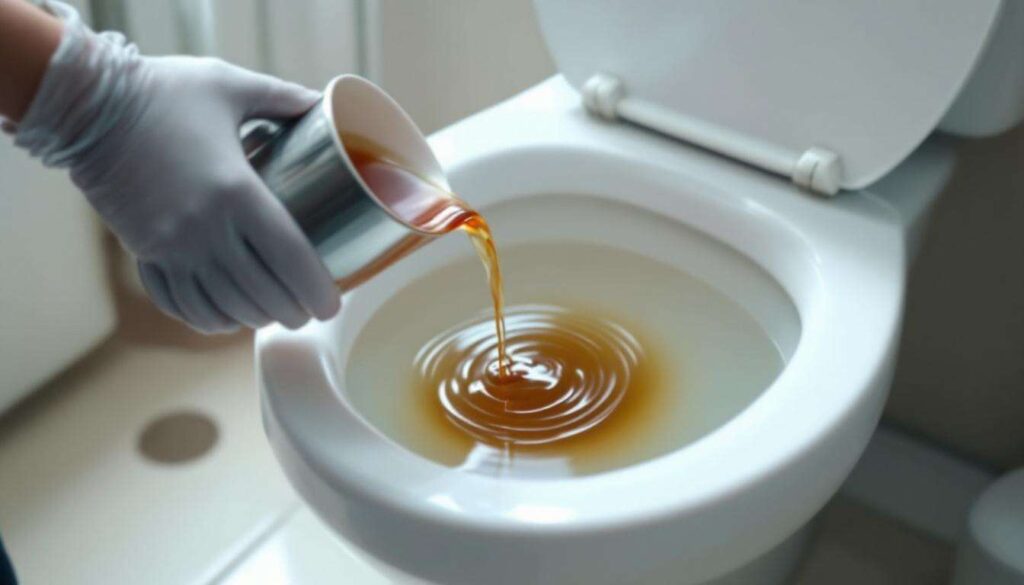
Toilet bowl rings are a persistent problem in many households, particularly in areas with hard water. These unsightly marks can make even the cleanest bathroom appear neglected. Whilst commercial cleaning products promise quick results, they often contain harsh chemicals that may harm the environment and irritate sensitive skin. An alternative solution has emerged from an unexpected source: the humble tea bag. This method harnesses the natural cleaning power of tannins found in tea leaves to tackle stubborn stains without resorting to aggressive chemical formulations.
Why tea tannins eliminate toilet ring stains
The chemical properties of tannins
Tannins are naturally occurring polyphenolic compounds found abundantly in tea leaves. These substances possess mildly acidic properties that make them effective against certain types of staining. When applied to porcelain surfaces, tannins work through a process called chelation, whereby they bind to mineral deposits and organic matter, loosening their grip on the surface beneath.
The acidic nature of tannins allows them to break down biofilm accumulations and iron deposits that contribute to discolouration. Unlike harsh chemical cleaners that rely on strong acids or alkalis, tannins offer a gentler approach that still delivers measurable results. Their molecular structure enables them to penetrate porous stains and gradually dissolve the bonds holding them to the toilet bowl surface.
Types of stains tannins address most effectively
Tea tannins demonstrate particular effectiveness against specific categories of toilet bowl staining:
- Biofilm accumulations caused by bacterial growth in damp environments
- Iron deposits that create rust-coloured rings, especially common in well water systems
- Light to moderate mineral staining from regular water exposure
- Organic matter residues that discolour porcelain over time
However, it is essential to understand that tannins have limitations when confronting heavy limescale deposits. Calcium carbonate build-up from hard water requires stronger acidic intervention than tannins alone can provide. This method works best as a maintenance solution rather than a remedy for severely neglected toilet bowls.
Understanding these chemical principles helps explain why this traditional cleaning method has endured through generations, offering a foundation for proper application techniques.
Instructions: soaking a tea bag
Preparing the tea solution
The process begins with selecting a used tea bag rather than a fresh one. This approach maximises economy whilst still providing sufficient tannin content for cleaning purposes. Boil approximately 250 millilitres of water and steep the tea bag for three to five minutes, allowing the tannins to extract fully into the liquid.
For enhanced effectiveness, some practitioners recommend using two used tea bags for particularly stubborn rings. The concentration of tannins directly correlates with cleaning power, though excessive amounts offer diminishing returns beyond a certain threshold.
Application methods for optimal results
Two primary techniques have proven successful:
| Method | Duration | Best For |
|---|---|---|
| Direct scrubbing | 15-20 minutes | Light staining and regular maintenance |
| Overnight soaking | 6-8 hours | Moderate to stubborn rings requiring deeper penetration |
For the direct scrubbing method, pour the tea solution around the toilet bowl rim, ensuring complete coverage of stained areas. Use the dampened tea bag itself as a scrubbing tool, applying gentle pressure in circular motions. The texture of the tea bag provides mild abrasion without scratching porcelain surfaces.
The overnight soaking approach requires less physical effort but demands patience. Simply place the steeped tea bag directly onto the ring stain, add the remaining tea solution, and allow it to work whilst you sleep. The extended contact time permits tannins to penetrate deeper into porous stains.
These practical steps form the core of the method, but selecting appropriate tea varieties significantly influences outcomes.
What type of tea to use and when it does not work
Recommended tea varieties for cleaning
Not all teas contain equal concentrations of tannins. Black tea stands as the most effective choice due to its high tannin content resulting from complete oxidation during processing. Varieties such as English Breakfast, Earl Grey, and Assam deliver robust cleaning power.
Other options include:
- Green tea: contains moderate tannin levels, suitable for light maintenance
- Oolong tea: offers mid-range tannin content between green and black varieties
- White tea: possesses minimal tannins, least effective for cleaning purposes
Herbal infusions such as chamomile or peppermint contain negligible tannin quantities and prove ineffective for this application. The choice of tea directly impacts results, making black tea the preferred option for most cleaning scenarios.
Situations where tea bags fail to deliver
This method encounters limitations in specific circumstances. Heavy limescale deposits from prolonged hard water exposure require stronger acidic solutions such as vinegar or specialised descaling products. Tea tannins lack sufficient strength to dissolve thick calcium carbonate accumulations.
Additionally, extremely old stains that have penetrated deeply into porous porcelain may resist tea bag treatment. Water hardness varies significantly by region, and areas with particularly mineral-rich water may find this method provides only superficial improvement rather than complete stain removal.
Recognising these limitations prevents disappointment and helps users set realistic expectations, whilst understanding the broader implications of this cleaning approach adds valuable context.
Safety, olfactory, and sustainability aspects
Health and safety considerations
Tea bag cleaning presents minimal health risks compared to conventional chemical cleaners. The absence of harsh fumes eliminates respiratory irritation concerns, making this method particularly suitable for households with asthma sufferers or young children. Skin contact with tea solution poses no significant danger, though individuals with rare tea allergies should exercise caution.
The method requires no protective equipment beyond standard cleaning gloves if desired. This low-risk profile makes it accessible to virtually all users regardless of chemical sensitivities.
Scent profile and bathroom atmosphere
Unlike ammonia-based cleaners that leave pungent odours, tea imparts a subtle, pleasant aroma to the bathroom environment. The natural fragrance dissipates quickly without lingering chemical smells. Some users appreciate this olfactory benefit as an additional advantage over commercial alternatives.
Environmental and economic benefits
This cleaning method exemplifies sustainable household practices through several mechanisms:
- Repurposes used tea bags that would otherwise become waste
- Eliminates plastic bottles associated with commercial cleaners
- Reduces chemical discharge into water systems
- Costs approximately five pence per application
- Requires no specialised packaging or transportation of cleaning products
The circular economy principle applies here, extracting maximum value from tea bags through dual use for beverage consumption and subsequent cleaning applications. This approach aligns with growing consumer interest in reducing household environmental footprints whilst maintaining cleanliness standards.
These theoretical advantages require practical validation through real-world testing to determine actual effectiveness.
Testing the tea bag hack on toilet bowl rings
Establishing baseline conditions
Proper evaluation requires documenting the initial stain severity before treatment. Toilet bowl rings vary in intensity from faint discolouration to dark, pronounced marks. Photographing the affected area provides objective comparison after treatment completion.
Water hardness levels significantly influence both stain formation and cleaning efficacy. Areas classified as having hard or very hard water (above 200 milligrammes per litre of calcium carbonate) present more challenging conditions for this method.
Conducting the practical test
A systematic approach yields the most informative results. Apply the tea bag method as described previously, maintaining consistent contact time across multiple applications if necessary. Light staining typically responds to a single overnight treatment, whilst moderate rings may require two or three successive applications.
Observable changes include:
- Gradual lightening of discoloured areas
- Increased shine on porcelain surfaces
- Reduction in visible ring definition
- Improved overall bowl appearance
Users frequently report pleasantly surprising results when treating biofilm-based stains and iron deposits. The antimicrobial properties of tea contribute to these outcomes by addressing bacterial components of toilet bowl discolouration.
However, realistic assessment must acknowledge both successes and shortcomings to provide balanced perspective.
Unexpected results and limitations of the method
Surprising secondary benefits
Beyond toilet bowl applications, users have discovered that tea bag cleaning extends to other bathroom surfaces. Mirrors benefit from streak-free shine when wiped with cooled tea solution. Chrome fixtures respond well to tannin treatment, particularly for water spot removal. These versatile applications increase the overall value proposition of this cleaning method.
Realistic expectations and performance boundaries
Honesty about limitations prevents disappointment. This method functions best as a maintenance strategy rather than a restoration solution for severely neglected toilets. Patience proves essential, as results develop gradually rather than instantaneously like chemical cleaners.
The following scenarios typically yield disappointing outcomes:
- Thick limescale deposits requiring mechanical removal or strong acids
- Stains that have penetrated glazing defects in older porcelain
- Situations demanding immediate results without overnight waiting periods
- Extremely hard water areas where mineral deposits form rapidly
Regular application every one to two weeks provides optimal preventative maintenance, stopping stains before they become entrenched. This proactive approach maximises the method’s effectiveness whilst minimising effort required.
The tea bag cleaning hack represents a practical compromise between environmental responsibility and household cleanliness. Whilst not a universal solution for all toilet staining scenarios, it offers genuine value for light to moderate maintenance needs. The combination of negligible cost, minimal environmental impact, and respectable cleaning performance makes this method worthy of consideration. Success depends upon realistic expectations, appropriate tea selection, and consistent application. For households seeking alternatives to chemical cleaners without sacrificing results, used tea bags provide a viable option grounded in the natural properties of tannins.