



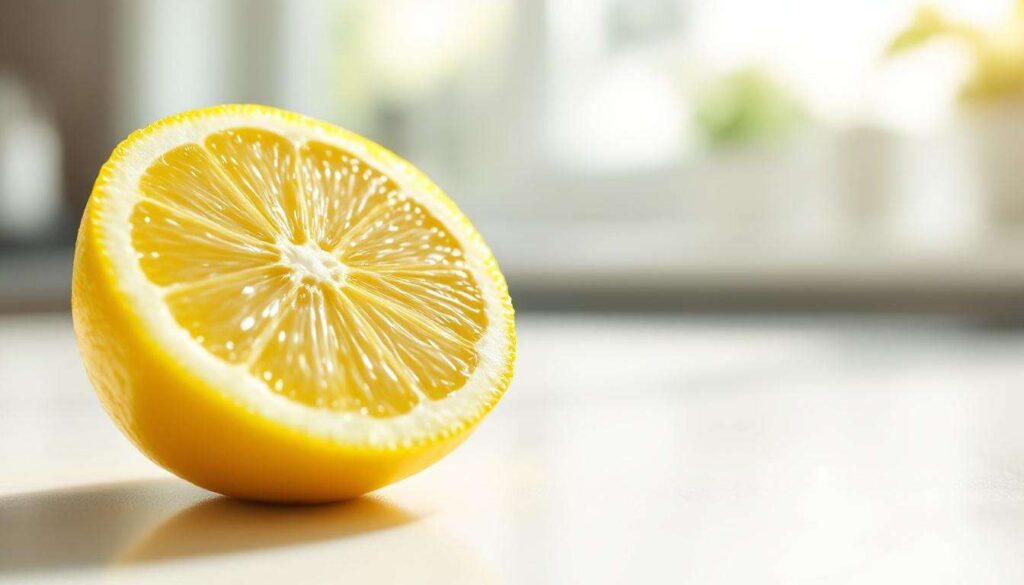
Household cleaning often involves battling stubborn, filmy deposits that accumulate on bathroom fixtures, tiles, and glass surfaces. These unsightly layers, commonly known as soap scum or soapy residue, form when soap combines with hard water minerals and body oils. Traditional commercial cleaners promise quick results but often contain harsh chemicals that raise concerns about safety and environmental impact. Meanwhile, a simple citrus fruit sitting in your kitchen offers a natural, effective solution that works in minutes. The acidic properties of lemons make them particularly adept at dissolving the alkaline compounds found in soap build-up, providing a cleaning method that is both gentle and powerful.
The scientific power of lemon on soapy residues
Understanding the chemistry of citric acid
The cleaning prowess of lemons stems primarily from citric acid, a weak organic acid naturally abundant in citrus fruits. This compound possesses a pH level between 2 and 3, making it sufficiently acidic to break down the alkaline nature of soap residues without damaging most household surfaces. When citric acid encounters soap scum—a combination of fatty acids from soap, calcium and magnesium from hard water, and organic matter—it initiates a chemical reaction that loosens the bonds holding these components together.
The process works through chelation, where citric acid molecules bind to mineral ions in the residue, effectively dissolving the crystalline structures that give soap scum its stubborn adherence. This reaction occurs relatively quickly, often within minutes of application, which explains why lemons can produce visible results in such short timeframes.
Additional antimicrobial benefits
Beyond dissolving grime, lemons offer antimicrobial properties that enhance their cleaning effectiveness:
- Natural antibacterial compounds that reduce microbial populations on surfaces
- Antifungal properties that help prevent mould and mildew growth in damp environments
- Deodorising effects that neutralise unpleasant odours rather than merely masking them
- Limonene from lemon peel oils that provides additional grease-cutting power
These combined properties make lemons a comprehensive cleaning solution rather than a single-purpose acid. The pleasant fragrance left behind represents an additional benefit that chemical cleaners struggle to match without artificial fragrances. This scientific foundation explains why this traditional cleaning method has persisted across generations and continues to gain renewed interest among environmentally conscious households.
The optimal use of lemons for quick and safe cleaning
Direct application techniques
The most straightforward method involves cutting a fresh lemon in half and using it as a natural scrubbing tool. Simply rub the cut surface directly onto affected areas, applying moderate pressure to release the juice whilst the fruit’s texture provides gentle abrasion. For maximum effectiveness, allow the lemon juice to remain on the surface for 10 to 30 minutes, giving the citric acid sufficient time to penetrate and break down the residue.
After the waiting period, use a damp sponge or microfibre cloth to wipe away the loosened grime, then rinse thoroughly with warm water. This method works particularly well for moderate soap scum on glass shower doors, chrome fixtures, and ceramic tiles.
Enhanced cleaning formulations
For more stubborn deposits, combining lemons with complementary ingredients amplifies their effectiveness:
| Combination | Best Use | Application Method |
|---|---|---|
| Lemon + Coarse Salt | Heavy soap scum | Dip cut lemon in salt, scrub affected areas |
| Lemon Juice + Water Spray | Large surface areas | Mix 1:1 ratio, spray, wait 15 minutes, wipe |
| Lemon + Baking Soda Paste | Vertical surfaces | Create paste, apply, leave 20 minutes, scrub |
The salt variation proves particularly effective because the abrasive crystals physically assist in dislodging residue whilst the lemon juice chemically dissolves it. This dual-action approach reduces scrubbing time and effort considerably.
Concentration considerations
Whilst fresh lemons provide convenience and the benefit of the fruit’s natural oils, bottled lemon juice offers a more economical option for larger cleaning projects. However, fresh lemons typically contain higher concentrations of active compounds and essential oils, making them more effective for tough jobs. The choice depends on the scale of cleaning required and budget considerations. These practical applications demonstrate the versatility of lemons, though understanding which surfaces benefit most from this treatment requires further examination.
The surfaces where lemon excels (and where it fails)
Ideal surfaces for lemon cleaning
Lemons perform exceptionally well on numerous common household surfaces, particularly those prone to soap scum accumulation:
- Glass shower doors and mirrors: the acid cuts through film without streaking when properly rinsed
- Chrome and stainless steel fixtures: restores shine whilst removing water spots and residue
- Ceramic and porcelain tiles: safely removes build-up without damaging glazed surfaces
- Fibreglass tubs and shower surrounds: gentle enough not to scratch whilst effectively cleaning
- Sealed granite and quartz: brief contact with properly sealed stone surfaces poses minimal risk
These materials share the characteristic of being non-porous or properly sealed, which prevents the acid from penetrating and causing damage. The smooth surfaces also allow for easy rinsing, ensuring no acidic residue remains to potentially cause issues over time.
Surfaces requiring caution or avoidance
Despite its versatility, lemon juice can damage certain materials and should be avoided or used with extreme caution on:
| Surface Type | Risk Level | Reason |
|---|---|---|
| Natural marble | High | Acid etches calcium-based stone, causing permanent dullness |
| Unsealed grout | Moderate | Acid can penetrate and weaken grout over time |
| Brass and copper | Moderate | May remove protective patina or cause discolouration |
| Wood surfaces | High | Moisture and acid can damage finish and wood fibres |
When uncertain about a surface’s compatibility, test the lemon treatment on an inconspicuous area first, waiting 24 hours to observe any adverse reactions. This precautionary approach prevents costly damage to valuable surfaces. Beyond soap scum, lemons address another common bathroom nemesis that shares similar chemical characteristics.
Removing limescale with citric acid
The limescale formation process
Limescale develops when hard water evaporates, leaving behind calcium carbonate and magnesium deposits that create chalky white or grey crusts on taps, showerheads, and kettle interiors. This mineral build-up shares chemical similarities with soap scum, making citric acid equally effective against both problems. The acid reacts with calcium carbonate to form calcium citrate, a water-soluble compound that rinses away easily.
Targeted limescale removal techniques
For fixtures with heavy limescale accumulation, concentrated lemon applications yield the best results. Soak a cloth in fresh lemon juice and wrap it around affected taps or showerheads, securing with an elastic band. Leave this lemon compress in place for at least one hour, or overnight for severe deposits. The prolonged contact allows the acid to fully penetrate and dissolve the mineral layers.
For kettle interiors and other enclosed spaces, create a descaling solution by:
- Filling the vessel halfway with water
- Adding juice from two to three lemons or 50ml of bottled lemon juice
- Boiling the solution and allowing it to sit for one hour
- Emptying, scrubbing lightly, and rinsing thoroughly
- Repeating if necessary for stubborn deposits
This method proves particularly effective for appliances where commercial descalers might leave chemical residues that affect taste or safety. The natural approach ensures complete peace of mind regarding food safety. Having explored what lemons can accomplish, implementing these techniques correctly ensures optimal results.
Practical methodology: applying the lemon method
Step-by-step cleaning protocol
To achieve professional-quality results when tackling soapy residue, follow this systematic approach:
Preparation phase: gather fresh lemons (approximately three to four for an average bathroom), coarse salt if dealing with heavy build-up, spray bottles for diluted solutions, microfibre cloths, and a soft-bristled brush for textured surfaces. Ensure adequate ventilation by opening windows or activating exhaust fans.
Application phase: begin by rinsing surfaces with warm water to remove loose debris. Apply lemon juice generously to affected areas, either by direct rubbing or spraying. For vertical surfaces, the paste method using lemon juice and baking soda prevents dripping and ensures prolonged contact. Set a timer for the recommended waiting period based on residue severity.
Agitation phase: after the acid has worked, gently scrub surfaces using circular motions. The residue should lift away with minimal effort if the lemon has had sufficient contact time. Stubborn spots may require a second application rather than aggressive scrubbing, which risks surface damage.
Rinsing phase: thoroughly rinse all surfaces with clean water, ensuring no acidic residue remains. Dry with a clean cloth to prevent water spots and reveal the full shine achieved.
Frequency and maintenance recommendations
Regular maintenance prevents heavy build-up that requires intensive cleaning efforts. For households with hard water, a weekly light lemon treatment maintains surfaces effectively. After each shower, a quick spray of diluted lemon juice followed by squeegee use significantly reduces soap scum formation. This preventative approach requires less time and fewer lemons than periodic deep cleaning sessions. Whilst lemons offer remarkable benefits, understanding alternative options ensures appropriate solutions for every situation.
Smart alternatives and safety for surfaces
When to consider alternative natural cleaners
Although lemons excel at removing soapy residue, certain situations warrant different approaches. White vinegar provides a less expensive alternative for large-scale cleaning projects, offering similar acidic properties at a fraction of the cost. For surfaces sensitive to acids, a paste of baking soda and water provides gentle abrasive cleaning without chemical reactions that might cause damage.
Commercial citric acid powder dissolved in water creates a more concentrated solution than lemon juice alone, proving useful for industrial-strength limescale removal. This option eliminates the pulp and oils found in fresh lemons, which some prefer for easier application and cleanup.
Safety precautions and best practices
Despite being natural, lemon juice requires sensible handling to prevent issues:
- Wear gloves if you have sensitive skin or open cuts, as citric acid can cause stinging
- Avoid contact with eyes; rinse immediately with water if accidental exposure occurs
- Never mix lemon juice with bleach, as this creates harmful chlorine gas
- Test on inconspicuous areas before treating visible surfaces
- Ensure thorough rinsing to prevent potential etching on sensitive materials
- Store lemon-based solutions in clearly labelled containers away from children
For households with pets, the natural composition of lemons presents fewer toxicity concerns than commercial cleaners, though preventing direct consumption remains advisable. The environmental benefits of choosing lemons extend beyond household safety, as citrus waste biodegrades harmlessly and doesn’t contribute to water pollution through harsh chemical runoff.
The enduring popularity of lemons as cleaning agents reflects their genuine effectiveness combined with safety and environmental advantages. By harnessing the natural power of citric acid, households can maintain sparkling surfaces without resorting to harsh chemicals. The methods outlined provide flexible options suitable for various cleaning challenges, from light maintenance to heavy-duty descaling. Whether using fresh fruit, bottled juice, or concentrated citric acid, this time-tested approach delivers results that rival commercial products whilst offering peace of mind regarding health and environmental impact. Incorporating lemons into regular cleaning routines represents a simple yet significant step towards a cleaner, healthier home environment that benefits both occupants and the planet.