



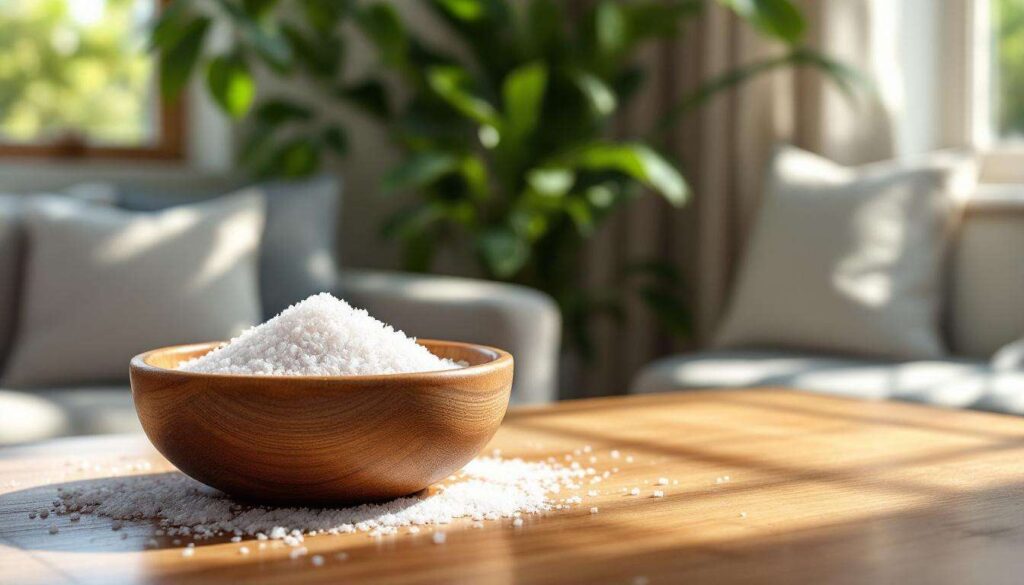
Excess moisture in homes can lead to numerous problems, from unsightly mould patches on walls to musty odours that permeate fabrics and furnishings. Many households struggle with damp conditions, particularly during colder months or in poorly ventilated spaces. Whilst mechanical dehumidifiers offer one solution, a remarkably simple and cost-effective alternative exists: placing bowls of salt strategically around the home. This traditional method harnesses salt’s natural hygroscopic properties to absorb excess moisture from the air, providing relief without electricity costs or complex equipment.
Understanding indoor humidity and its causes
What constitutes problematic humidity levels
Indoor humidity levels ideally sit between 40 and 60 per cent for optimal comfort and health. When moisture levels exceed this range, condensation forms on windows, walls feel damp to the touch, and the air takes on a heavy, uncomfortable quality. Prolonged exposure to high humidity creates ideal conditions for dust mites, mould spores, and bacteria to flourish, potentially triggering respiratory issues and allergic reactions.
Common sources of excess moisture
Several everyday activities contribute significantly to indoor humidity:
- Cooking, particularly boiling water or using steamers
- Showering and bathing without adequate ventilation
- Drying laundry indoors on radiators or clothes horses
- Breathing and perspiration from occupants
- Poorly sealed windows and doors allowing moisture ingress
- Rising damp from foundations or ground-level moisture
Understanding these humidity sources helps homeowners identify which rooms require the most attention. Bathrooms, kitchens, and laundry areas typically experience the highest moisture levels, making them prime candidates for humidity control measures.
The power of salt: a natural dehumidifier
The science behind salt’s moisture absorption
Salt possesses hygroscopic properties, meaning its molecular structure naturally attracts and binds water molecules from surrounding air. This occurs through a process where water vapour adheres to the salt crystals’ surface, gradually dissolving the outer layers and forming a brine solution. Coarse salt proves particularly effective due to its larger surface area, which provides more contact points for moisture absorption compared to fine table salt.
Comparing salt to other dehumidifying methods
| Method | Initial Cost | Running Costs | Effectiveness | Maintenance |
|---|---|---|---|---|
| Salt bowls | £1-3 | Minimal | Moderate (small spaces) | Weekly replacement |
| Electric dehumidifier | £100-400 | £20-50/month | High (large spaces) | Monthly emptying/cleaning |
| Silica gel packets | £5-15 | Low | Low (very small spaces) | Reactivation needed |
The comparison reveals salt’s advantages for budget-conscious households and those seeking chemical-free solutions. This natural approach transitions smoothly into practical implementation strategies.
How to use salt to reduce humidity
Selecting appropriate containers and salt types
Coarse rock salt or sea salt works best for humidity control, with crystal sizes ranging from 2-5mm providing optimal absorption rates. Choose wide, shallow bowls rather than narrow containers to maximise air exposure. Ceramic or glass vessels prove ideal as they resist corrosion from salt and collected moisture, whilst plastic containers may deteriorate over time.
Strategic placement for maximum effectiveness
Position salt bowls in areas where moisture accumulates most readily:
- Bathroom windowsills or shelf units away from direct water spray
- Kitchen corners distant from cooking surfaces
- Bedroom wardrobes and cupboards prone to mustiness
- Laundry rooms near drying areas
- Basement or cellar spaces with poor air circulation
Maintenance and replacement schedule
Monitor salt bowls every three to four days initially to gauge absorption rates in your specific environment. When salt appears clumped, discoloured, or liquid has pooled at the bottom, replacement becomes necessary. In high-humidity conditions, this may occur weekly, whilst drier environments might require changes only fortnightly. Dispose of saturated salt down drains with hot water to prevent pipe blockages.
These practical measures set the foundation for understanding broader advantages of humidity management.
Long-term benefits of controlled humidity
Health improvements from reduced moisture
Maintaining appropriate humidity levels delivers significant health benefits for occupants. Lower moisture reduces mould and mildew proliferation, which commonly triggers asthma symptoms, allergic rhinitis, and respiratory infections. Dust mites, which thrive in humid conditions, decline in population when humidity drops below 50 per cent, providing relief for allergy sufferers.
Protecting property and possessions
Structural integrity benefits substantially from humidity control. Excess moisture causes:
- Wallpaper peeling and paint blistering
- Timber frame warping and rot
- Metal fixture corrosion
- Fabric deterioration in furnishings
- Electronic equipment malfunction
By preventing these issues, homeowners avoid costly repairs whilst preserving the value and appearance of their property. These protective effects naturally lead to considerations about safe implementation.
Precautions to take and complementary solutions
Safety considerations when using salt
Whilst generally safe, salt placement requires thoughtfulness. Keep bowls away from children and pets who might ingest contents or knock containers over. Position vessels on stable, water-resistant surfaces to prevent damage from spills. Avoid placing salt near electronics or valuable wooden furniture where moisture or corrosive salt residue could cause harm.
Enhancing effectiveness through ventilation
Salt works most effectively alongside proper air circulation. Implement these complementary strategies:
- Open windows for 10-15 minutes daily, even during cold weather
- Use extractor fans during and after cooking or bathing
- Install trickle vents in window frames for continuous air exchange
- Ensure furniture doesn’t block air vents or radiators
- Consider mechanical ventilation systems for persistent problems
These combined approaches create comprehensive humidity management, leading naturally to ongoing maintenance strategies.
Practical tips for maintaining a humidity-free home
Daily habits that reduce moisture
Simple behavioural changes significantly impact indoor humidity levels. Cover pans whilst cooking to contain steam, and always use extractor fans when available. Wipe down shower walls immediately after use to prevent moisture evaporation into room air. Avoid drying laundry indoors whenever possible, or use well-ventilated spaces with dehumidification measures if outdoor drying proves impractical.
Seasonal adjustments and monitoring
Humidity challenges vary throughout the year, requiring adaptive strategies. Winter months typically see increased condensation due to temperature differentials between indoor and outdoor air. During this period, increase salt bowl frequency and ensure adequate heating to prevent cold spots where condensation forms. Summer humidity may require different placement strategies, focusing on areas with poor air circulation rather than cold surfaces.
When to seek professional assistance
Persistent dampness despite salt use and ventilation improvements may indicate underlying structural issues requiring expert assessment. Signs warranting professional inspection include:
- Black mould patches that return within days of cleaning
- Persistent musty odours throughout the property
- Visible water stains on walls or ceilings
- Crumbling plaster or deteriorating woodwork
Placing salt bowls throughout the home offers an accessible, economical approach to managing excess humidity whilst protecting both health and property. This traditional method, supported by proper ventilation and mindful daily habits, provides effective moisture control without reliance on expensive equipment or electricity consumption. Regular monitoring and strategic placement ensure optimal results, creating more comfortable living spaces and preventing the numerous problems associated with damp conditions. When combined with complementary solutions and seasonal adjustments, salt proves itself a valuable tool in the ongoing effort to maintain healthy indoor environments.