



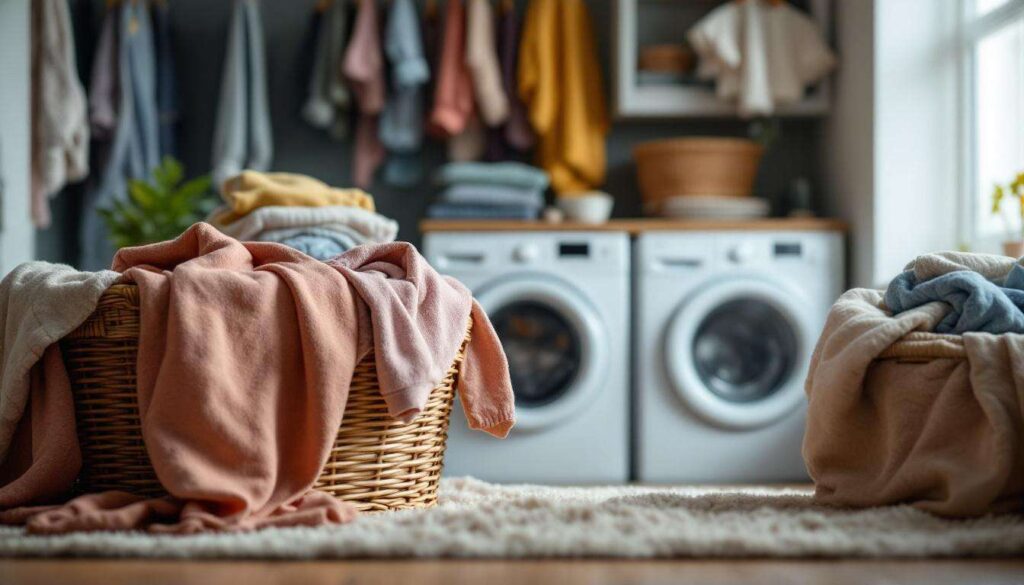
Washing clothes in cold water has become increasingly popular due to energy savings and environmental concerns. However, laundry experts warn that certain items require hot water to ensure proper hygiene and effective cleaning. Understanding which textiles demand higher temperatures can make a significant difference in maintaining a healthy household and prolonging the life of your fabrics.
Kitchen towels: a real bacteria nest
Why kitchen textiles demand hot water treatment
Kitchen textiles such as tea towels, oven gloves, and aprons are among the most contaminated items in any household. Their constant exposure to food particles, moisture, and grease creates an ideal breeding ground for bacteria. Cold water washing simply cannot penetrate the fibres deeply enough to eliminate these harmful microorganisms effectively.
The temperature required to kill most common bacteria ranges between 60°C and 90°C. When washing kitchen linens in cold water, you risk merely redistributing bacteria rather than eliminating them. This can lead to cross-contamination and unpleasant odours that persist even after washing.
Recommended washing practices for kitchen textiles
Experts suggest the following approach for maintaining hygienic kitchen textiles:
- Wash at a minimum temperature of 60°C to ensure bacterial elimination
- Use a quality detergent with antibacterial properties
- Avoid overloading the washing machine to allow proper agitation
- Replace kitchen towels regularly, ideally every few days
- Dry thoroughly in direct sunlight or a tumble dryer when possible
Beyond kitchen towels, another category of clothing presents unique challenges that cold water cannot adequately address.
Work clothes: efficiency first
The specific challenges of contaminated workwear
Work clothes exposed to dirt, chemicals, or biological contaminants require thorough disinfection that only hot water can provide. Whether you work in healthcare, construction, or industrial settings, your clothing accumulates substances that pose health risks if not properly cleaned.
Cold water washing leaves behind residues that can cause skin irritation, allergic reactions, or spread contamination to other garments. The combination of hot water and appropriate detergents breaks down these stubborn substances effectively, ensuring your workwear is genuinely clean rather than superficially rinsed.
Optimal cleaning strategies for professional attire
| Work Environment | Recommended Temperature | Special Considerations |
|---|---|---|
| Healthcare | 75°C-90°C | Antibacterial detergent essential |
| Construction | 60°C-75°C | Pre-treatment for heavy soiling |
| Food Industry | 70°C-90°C | Separate wash from other items |
Understanding how to properly clean workwear naturally leads to considering textiles that have been exposed to illness.
Contaminated textiles: preventing the spread of diseases
The critical importance of hot water for sick room linens
When a household member falls ill, their bedding, towels, and clothing become vectors for disease transmission. Viruses, bacteria, and other pathogens can survive in fabric fibres for extended periods, posing risks to other family members. Cold water washing fails to neutralise these threats adequately.
Hot water washing at temperatures above 60°C effectively destroys most common pathogens, including influenza viruses, norovirus, and various bacterial strains. This becomes particularly crucial during flu season or when dealing with gastrointestinal illnesses.
Best practices for handling contaminated textiles
- Wash items from sick individuals separately from regular laundry
- Use the hottest water setting appropriate for the fabric type
- Add a laundry sanitiser or bleach when fabric care labels permit
- Wash hands thoroughly after handling contaminated items
- Clean the washing machine drum after washing contaminated loads
Whilst illness-related contamination requires immediate attention, everyday stains present their own set of challenges.
Grease-stained clothes: the importance of proper cleaning
Why cold water fails against oily residues
Grease and oil-based stains represent one of the most persistent laundry challenges. These substances have a molecular structure that cold water simply cannot break down effectively. The result is clothing that appears clean on the surface but retains embedded oils that attract dirt and develop unpleasant odours over time.
Hot water works by loosening the molecular bonds in grease, allowing detergents to lift and remove these substances from fabric fibres. Without adequate heat, even the most powerful detergents struggle to achieve thorough cleaning.
Effective strategies for removing greasy stains
To successfully tackle grease-stained clothing:
- Pre-treat stains with a dedicated stain remover before washing
- Wash at temperatures between 40°C and 60°C depending on fabric type
- Use a degreasing detergent formulated for tough stains
- Avoid drying until you confirm the stain has been completely removed
- Consider a second wash cycle for particularly stubborn stains
Just as our clothing requires special attention, the items our pets use daily also demand thorough cleaning.
Pet bedding: why wash with hot water
The hidden dangers in pet textiles
Pet bedding, blankets, and soft toys accumulate far more than visible dirt. They harbour pet dander, dust mites, bacteria, and potentially parasites such as fleas or their eggs. Cold water washing leaves many of these contaminants intact, creating ongoing health risks for both pets and their human companions.
Individuals with allergies or asthma particularly benefit from hot water washing of pet items, as high temperatures effectively eliminate allergens that trigger respiratory symptoms. Additionally, hot water helps remove the natural oils from pet fur that contribute to persistent odours.
Maintaining hygienic pet textiles
| Item Type | Washing Frequency | Temperature |
|---|---|---|
| Pet beds | Weekly | 60°C minimum |
| Blankets | Bi-weekly | 60°C-75°C |
| Soft toys | Monthly | 40°C-60°C |
The principles of thorough hygiene that apply to pet items become even more critical when considering infant care products.
Reusable nappies: hygiene above all
The non-negotiable requirements for nappy hygiene
Reusable nappies have gained popularity as an environmentally friendly alternative to disposables, but they demand rigorous cleaning protocols. The nature of their use means they come into contact with bodily waste that contains numerous bacteria and potential pathogens. Cold water washing is wholly inadequate for achieving the level of cleanliness required for items in direct contact with a baby’s sensitive skin.
Hot water washing at temperatures of at least 60°C ensures that harmful bacteria such as E. coli are eliminated, protecting your baby from infections and skin irritations. This temperature threshold also helps remove stubborn stains and neutralises odours that cold water leaves behind.
Comprehensive care for reusable nappies
- Remove solid waste promptly and rinse before storing
- Store soiled nappies in a dry pail rather than soaking them
- Run a cold rinse cycle first to remove initial soiling
- Follow with a hot wash at 60°C-90°C using appropriate detergent
- Avoid fabric softeners which reduce absorbency
- Line dry in sunlight when possible for natural sanitising
Maintaining proper hygiene for your family’s textiles extends beyond these specific items. Regular hot water washing of towels, bedding, and sportswear ensures a healthier home environment. By understanding which items require higher temperatures, you can make informed decisions that protect your household’s health whilst maintaining the quality and longevity of your fabrics. The investment in hot water washing for these essential items pays dividends in cleanliness, hygiene, and peace of mind.