



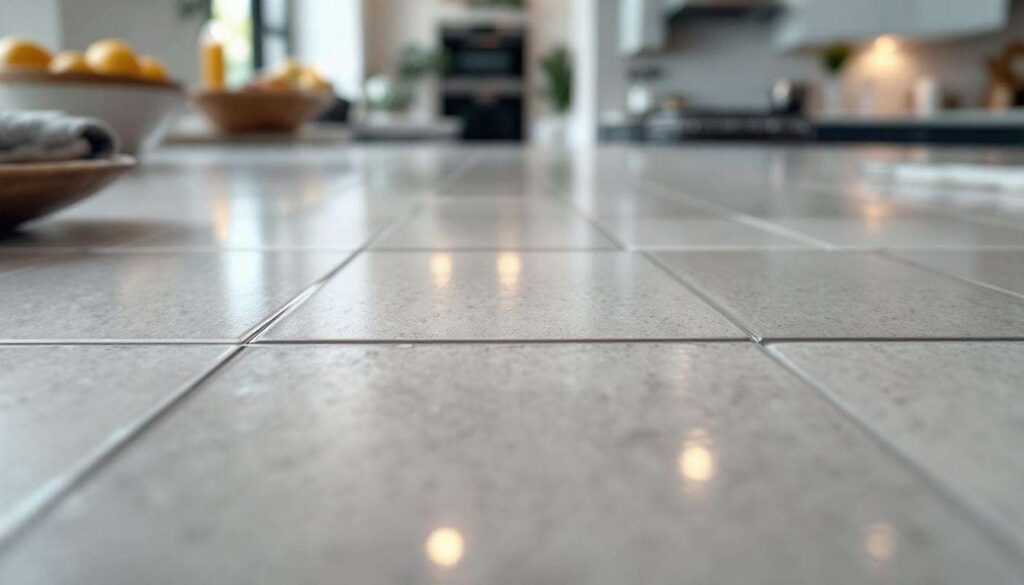
Grout lines between floor tiles often bear the brunt of daily foot traffic, spills, and general wear. Despite regular mopping, these narrow channels can accumulate dirt, grime, and discolouration that diminish the overall appearance of your flooring. Restoring grout to its original condition requires more than surface-level cleaning, but with targeted approaches and readily available materials, achieving professional-looking results at home is entirely feasible.
Understanding why floor grout gets dirty
The porous nature of grout material
Grout’s composition makes it particularly vulnerable to staining and discolouration. Most standard grout formulations contain cement, sand, and water, creating a porous surface that readily absorbs liquids, oils, and microscopic particles. Unlike the glazed surface of ceramic or porcelain tiles, unsealed grout acts like a sponge, drawing in contaminants that penetrate below the surface layer.
Common sources of grout discolouration
Several factors contribute to grout deterioration over time:
- Foot traffic: dirt and oils from shoes embed themselves into grout lines, creating dark streaks
- Moisture accumulation: bathrooms and kitchens experience constant exposure to water, promoting mould and mildew growth
- Cleaning product residue: ironically, some cleaning solutions leave behind films that attract more dirt
- Spills and splashes: coffee, wine, grease, and other substances stain grout upon contact
Different grout types and their vulnerabilities
The type of grout installed significantly influences how quickly it becomes soiled. Sanded grout, used for joints wider than 3mm, contains larger particles that create more surface area for dirt accumulation. Unsanded grout, applied to thinner joints, presents a smoother surface but remains equally porous. Epoxy grout, whilst considerably more resistant to staining and moisture, represents a premium option not found in all installations.
Understanding these underlying causes helps inform the most effective cleaning strategies and preventative measures for your specific flooring situation.
Necessary equipment for effective cleaning
Essential cleaning tools
Successful grout restoration requires appropriate implements designed to reach into narrow joints without damaging surrounding tiles:
- Stiff-bristled brush: a dedicated grout brush or repurposed toothbrush for scrubbing
- Spray bottle: for applying liquid cleaning solutions evenly
- Microfibre cloths: for wiping away loosened dirt and excess moisture
- Bucket: for mixing solutions and rinsing cloths
- Protective gloves: to shield hands from cleaning agents
- Knee pads: for comfort during extended floor-level work
Recommended cleaning agents
Most effective grout cleaning solutions utilise common household products rather than expensive commercial formulations:
| Product | Primary use | Effectiveness |
|---|---|---|
| Bicarbonate of soda | Mild abrasive and deodoriser | Excellent for regular maintenance |
| White vinegar | Disinfectant and stain remover | Highly effective on soap scum |
| Hydrogen peroxide | Bleaching and sanitising agent | Superior for stubborn stains |
| Diluted bleach | Mould and mildew elimination | Powerful but requires caution |
Safety considerations
When working with cleaning solutions, particularly those containing bleach or hydrogen peroxide, ensure adequate ventilation by opening windows and doors. Never combine bleach with vinegar or other acidic substances, as this produces toxic chlorine gas. Always test any cleaning method on an inconspicuous area first to verify it won’t damage or discolour your specific grout type.
With your equipment assembled and safety precautions observed, you’re prepared to tackle even the most challenging grout stains.
Tips for removing stubborn stains
The bicarbonate of soda paste method
For moderately soiled grout, create a thick paste by combining three parts bicarbonate of soda with one part water. Apply this mixture directly onto grout lines using your finger or a small spatula, ensuring complete coverage. Allow the paste to sit for 10-15 minutes, then scrub vigorously with a stiff brush using circular motions. Rinse thoroughly with clean water and wipe dry with a microfibre cloth.
Enhanced hydrogen peroxide treatment
When bicarbonate of soda alone proves insufficient, hydrogen peroxide provides additional cleaning power. Mix bicarbonate of soda with hydrogen peroxide instead of water to form a paste. This combination creates a gentle bleaching action that lifts deep-set stains without the harshness of chlorine bleach. Apply, wait 15-20 minutes, scrub, and rinse as before.
Vinegar solution for soap scum and mineral deposits
Hard water deposits and soap residue respond particularly well to acidic treatments. Combine equal parts white vinegar and warm water in a spray bottle. Saturate the grout lines completely, allowing the solution to penetrate for 10 minutes before scrubbing. This method excels in bathrooms where soap scum accumulates regularly.
Bleach application for mould and severe discolouration
For grout affected by black mould or extreme staining, a diluted bleach solution may be necessary. Mix one part household bleach with ten parts water. Apply with a sponge rather than spraying to maintain control over application. Leave for no more than 10 minutes, scrub gently, then rinse multiple times to remove all bleach residue. Use this method sparingly, as frequent bleach exposure can weaken grout over time.
These targeted approaches address various staining scenarios, but maintaining the results requires additional protective measures.
Methods to restore grout’s shine
Deep cleaning for comprehensive renewal
After removing surface stains, a thorough deep clean ensures grout looks genuinely refreshed. Work in small sections, applying your chosen cleaning solution and scrubbing methodically before moving to the next area. This prevents solutions from drying on the surface and ensures consistent results across the entire floor.
Steam cleaning for chemical-free restoration
Steam cleaners offer an effective alternative to chemical solutions, using high-temperature vapour to loosen embedded dirt and kill bacteria. The pressurised steam penetrates porous grout, lifting contaminants without scrubbing. This method proves particularly beneficial for those sensitive to cleaning chemicals or preferring environmentally friendly approaches.
Sealing grout after cleaning
Once grout is thoroughly clean and completely dry, applying a penetrating sealer provides crucial protection against future staining. Sealers fill the porous structure, creating a barrier that repels liquids and prevents dirt absorption. Apply sealer according to manufacturer instructions, typically requiring two coats with drying time between applications. Reapply sealer annually in high-traffic areas or every two years elsewhere.
However, when grout remains discoloured despite intensive cleaning efforts, alternative solutions become necessary.
When and how to apply grout paint
Identifying when painting becomes appropriate
Grout paint, also called grout colourant or grout stain, serves as a last resort when cleaning cannot restore acceptable appearance. Consider painting when:
- Grout remains permanently stained despite multiple cleaning attempts
- You wish to change grout colour for aesthetic reasons
- Grout has become significantly lighter or patchy over time
- Surface damage has created an uneven appearance
Preparing grout for paint application
Success with grout paint depends entirely on proper preparation. Clean grout thoroughly using the methods previously described, ensuring all dirt, oils, and cleaning residue are completely removed. Allow grout to dry fully for at least 24 hours. Any moisture trapped beneath paint will prevent proper adhesion and lead to peeling.
Application technique for professional results
Grout paint typically comes in small bottles with applicator brushes or in larger quantities for extensive projects. Apply paint carefully along grout lines, avoiding overlap onto tiles. Work slowly and methodically, maintaining consistent coverage. Most products require two coats for optimal opacity and durability. Wipe any paint from tile surfaces immediately before it dries, as removal becomes significantly more difficult once cured.
With grout restored to pristine condition through cleaning or painting, implementing regular maintenance prevents future deterioration.
Maintenance tips to keep grout impeccable
Establishing a regular cleaning schedule
Prevention proves far easier than restoration. Incorporate grout-specific cleaning into your routine:
- Weekly: mop floors with pH-neutral cleaner, avoiding harsh chemicals that strip sealers
- Monthly: spot-treat any visible stains immediately before they set
- Quarterly: perform thorough grout scrubbing using bicarbonate of soda paste
- Annually: reapply penetrating sealer to maintain protective barrier
Preventative measures for long-term protection
Simple habits significantly extend the time between intensive cleaning sessions. Place doormats at entrances to trap dirt before it reaches tiled areas. Clean spills immediately, particularly those involving acidic substances like citrus juice or wine. Use bathroom exhaust fans during and after showers to reduce moisture accumulation that promotes mould growth.
Avoiding damaging cleaning practices
Certain common cleaning methods actually harm grout over time. Never use acidic cleaners like lemon juice or vinegar on natural stone tiles, as acid etches the surface. Avoid oil-based cleaners that leave residue attracting more dirt. Steam mops, whilst effective for tiles, can damage unsealed grout by forcing moisture deep into the porous material.
Maintaining clean grout requires consistent attention but rewards you with floors that look professionally maintained year-round. By understanding what causes grout deterioration, employing appropriate cleaning methods, and implementing regular maintenance routines, you can keep grout lines looking fresh without resorting to expensive professional services. Whether through natural cleaning solutions, targeted stain removal, or strategic sealing, these approaches ensure your tiled floors remain an attractive feature of your home rather than a source of frustration.