



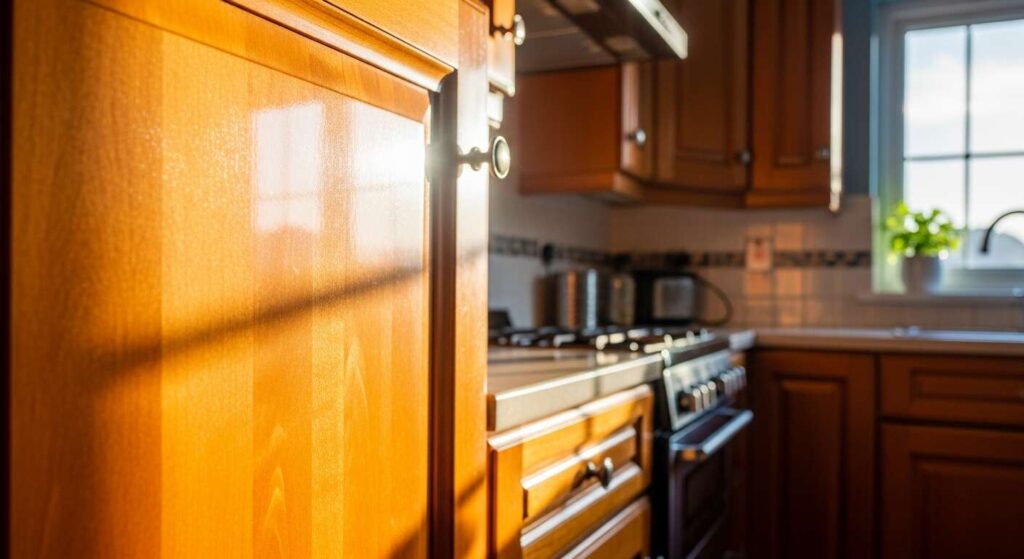
Wood cabinets are a staple in many kitchens, offering both functionality and aesthetic appeal. However, their proximity to cooking areas makes them particularly vulnerable to grease accumulation and a gradual loss of lustre. Over time, sticky residues from cooking oils, food splatters, and everyday handling can dull the wood’s natural beauty and create an unhygienic environment. Fortunately, restoring your cabinets to their former glory doesn’t require expensive professional services or harsh chemicals. With the right approach and a few simple tools, you can effectively remove grease and bring back that enviable shine.
Necessary tools
Essential cleaning supplies
Before embarking on your cabinet cleaning project, gathering the appropriate tools will ensure a smooth and efficient process. The basic kit includes:
- Soft microfibre cloths or lint-free cotton towels
- Non-abrasive sponges
- Spray bottles for solution application
- Buckets for mixing cleaning solutions
- Soft-bristled brushes for intricate detailing
- Clean, dry towels for buffing
Protective equipment
While many cleaning methods utilise natural ingredients, protecting yourself remains important. Consider wearing rubber gloves to shield your hands from prolonged exposure to cleaning solutions. An apron can protect your clothing from splashes, particularly when working with vinegar-based mixtures or commercial products.
Storage and organisation
Keeping your cleaning supplies organised in a dedicated caddy or bucket makes the process more efficient. Store spray bottles clearly labelled with their contents, and ensure all cloths are clean before use to avoid transferring dirt or grime onto your freshly cleaned surfaces.
Once you’ve assembled your toolkit, you’ll be well-prepared to tackle the routine maintenance that keeps cabinets looking their best between deep cleaning sessions.
Regular cleaning of wooden cabinets
Weekly maintenance routine
Establishing a consistent cleaning schedule prevents grease from becoming deeply embedded in the wood grain. A simple weekly wipe-down can work wonders in maintaining your cabinets’ appearance. Mix a solution of warm water with a few drops of mild dish soap, dampen a soft cloth, and gently wipe all cabinet surfaces. Always wring out excess water to avoid saturating the wood, which can cause warping or damage to the finish.
Spot cleaning for immediate spills
Addressing spills and splatters immediately prevents them from hardening into stubborn stains. Keep a designated cloth near your cooking area for quick clean-ups. For fresh grease spots, a slightly dampened cloth with a touch of dish soap can lift the residue before it sets.
Drying technique
After cleaning, always follow up with a dry cloth to remove any remaining moisture. This step is crucial for preventing water spots and maintaining the wood’s integrity. Buff in the direction of the wood grain for the best results.
| Frequency | Task | Time Required |
|---|---|---|
| Daily | Spot cleaning of visible marks | 2-3 minutes |
| Weekly | Full cabinet wipe-down | 15-20 minutes |
| Monthly | Detailed cleaning including handles | 30-40 minutes |
While regular maintenance handles surface-level dirt, accumulated grease and stubborn stains require more intensive treatment methods to fully restore your cabinets.
Deep cleaning methods
Vinegar and water solution
For a powerful natural degreaser, combine equal parts white vinegar and warm water in a spray bottle. Lightly mist the solution onto greasy areas, allowing it to sit for approximately two minutes to penetrate the grime. Wipe clean with a soft cloth, working in circular motions. The acetic acid in vinegar breaks down grease effectively without leaving harmful residues or damaging most wood finishes.
Dish soap method
When confronting particularly stubborn grease deposits, a concentrated dish soap solution proves invaluable. Add several drops of quality dish soap to a bucket of warm water, creating a sudsy mixture. Dip a non-abrasive sponge into the solution, squeeze out excess liquid, and gently scrub the affected areas. This method works exceptionally well on high-traffic areas near the hob where grease accumulation is heaviest.
Baking soda paste for tough stains
For exceptionally stubborn spots, create a paste using baking soda and water. Apply this gentle abrasive to problem areas, let it sit for five minutes, then wipe away with a damp cloth. The mild abrasive action lifts ingrained dirt without scratching the wood surface.
Targeted cleaning for hardware
Cabinet handles and hinges often harbour significant grease buildup. Remove hardware when possible and soak in warm, soapy water for thorough cleaning. For fixed hardware, use a soft-bristled brush dipped in your cleaning solution to reach crevices and intricate designs.
After removing years of accumulated grime, the next step involves revitalising the wood’s natural lustre and ensuring long-term protection.
Restoring shine and protecting the finish
Oil-based treatments
Once your cabinets are thoroughly clean and dry, applying a conditioning treatment restores moisture and enhances shine. For natural wood finishes, a small amount of mineral oil or specially formulated wood conditioner applied with a soft cloth can work wonders. Rub the oil in the direction of the grain, allowing it to absorb for several minutes before buffing away any excess.
Polish application technique
Quality wood polish creates a protective barrier against future grease and fingerprints whilst adding depth to the wood’s colour. Apply sparingly using a clean microfibre cloth, working in small sections. Buff immediately with a separate dry cloth to achieve a brilliant, streak-free shine.
Protective measures
Consider these strategies to maintain your newly restored cabinets:
- Apply a thin coat of furniture wax quarterly for added protection
- Use cabinet liners to protect interior surfaces
- Install splash guards near cooking areas
- Ensure proper ventilation to reduce airborne grease particles
Finish-specific considerations
Different cabinet finishes require tailored approaches. Painted cabinets benefit from gentle cleaners and minimal oil treatments, whilst varnished surfaces can tolerate slightly more aggressive polishing. Always test any new product in an inconspicuous area before full application.
With numerous cleaning products available, understanding the advantages and limitations of homemade versus commercial options helps you make informed decisions.
Homemade products vs commercial cleaners
Benefits of natural solutions
Homemade cleaning products offer several compelling advantages. They’re economical, environmentally friendly, and free from harsh chemicals that can compromise indoor air quality. Ingredients like vinegar, baking soda, and dish soap are readily available and pose minimal risk to children and pets. Additionally, you control exactly what goes into your cleaning solutions, avoiding potentially irritating fragrances and additives.
Commercial cleaner advantages
Purpose-formulated commercial cleaners provide convenience and often deliver faster results. Many products are specifically designed for wood cabinets, containing ingredients that clean, condition, and protect in a single application. For those with limited time or dealing with severe grease buildup, commercial options can be highly effective.
Comparative analysis
| Aspect | Homemade Products | Commercial Cleaners |
|---|---|---|
| Cost | Very low | Moderate to high |
| Environmental impact | Minimal | Varies by product |
| Effectiveness | Good for regular maintenance | Excellent for tough jobs |
| Convenience | Requires mixing | Ready to use |
Making the right choice
The ideal approach often involves combining both methods. Use natural solutions for regular maintenance and reserve commercial cleaners for occasional deep cleaning or particularly challenging situations. Always read labels carefully and select products specifically formulated for wood surfaces to avoid damage.
Even with the best intentions and quality products, certain cleaning mistakes can undermine your efforts or even damage your cabinets permanently.
Common mistakes to avoid
Excessive moisture application
One of the most damaging errors involves using too much water during cleaning. Saturating wood cabinets can cause swelling, warping, and finish deterioration. Always use damp rather than wet cloths, and dry surfaces immediately after cleaning. Never allow water to pool in corners or along seams where it can penetrate the wood.
Abrasive materials and techniques
Scrubbing with abrasive pads, steel wool, or harsh brushes can scratch and dull cabinet finishes. Similarly, using gritty cleansers or excessive pressure creates permanent damage. Stick to soft cloths and gentle, circular motions. Patience yields better results than aggressive scrubbing.
Neglecting to test products
Applying untested cleaning solutions directly to visible cabinet surfaces risks discolouration or finish damage. Always test new products on an inconspicuous area, such as the inside of a door or a hidden corner, waiting 24 hours to observe any adverse reactions before proceeding with full application.
Ignoring manufacturer recommendations
Cabinet manufacturers often provide specific care instructions based on the finish and wood type. Disregarding these guidelines can void warranties and cause preventable damage. Consult your cabinet documentation or contact the manufacturer if you’re uncertain about appropriate cleaning methods.
Additional pitfalls to avoid
- Using ammonia-based cleaners that can strip finishes
- Cleaning in direct sunlight, which causes streaking
- Neglecting to clean cabinet interiors
- Applying polish over dirty surfaces
- Using furniture polish on painted cabinets
Maintaining beautiful wood cabinets requires consistent effort and the right techniques. By implementing regular cleaning routines with gentle, effective products and avoiding common pitfalls, you can successfully remove grease buildup and restore your cabinets’ natural shine. Whether you choose natural solutions or commercial cleaners, the key lies in understanding your cabinet’s specific needs and treating them with appropriate care. With these strategies in hand, your kitchen cabinets will remain a stunning focal point for years to come.