



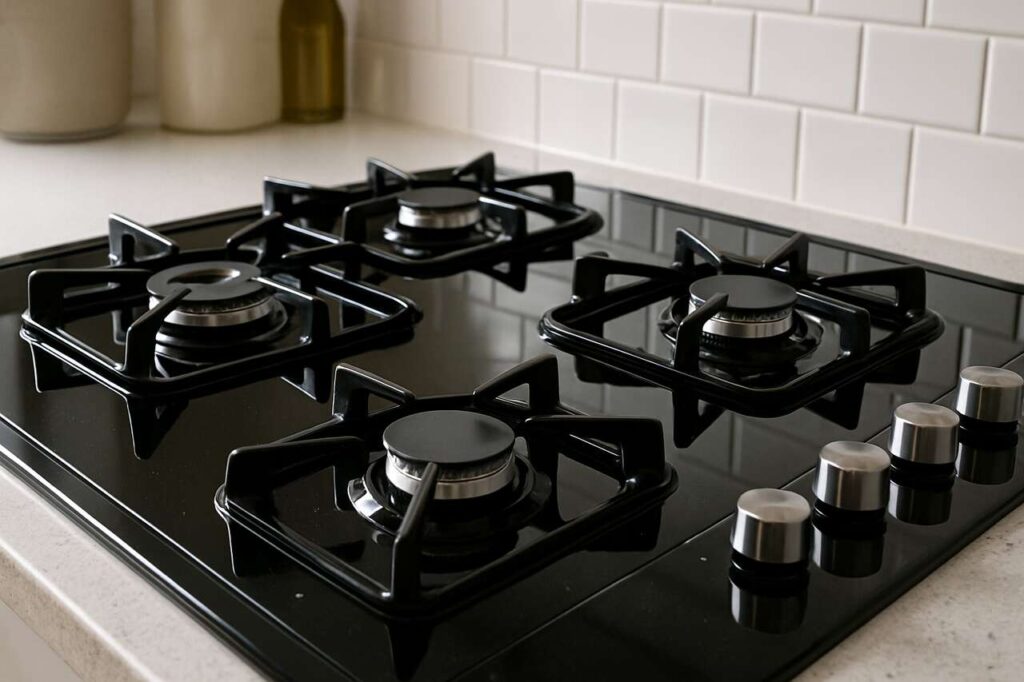
Every cook knows the frustration of facing a stovetop covered in stubborn grease. Whether you prepare quick weeknight dinners or elaborate weekend feasts, grease accumulation is an inevitable consequence of cooking. That persistent layer not only looks unsightly but can also become a fire hazard if left unattended. The good news is that with the right approach and common household ingredients, you can restore your stovetop to its former glory without resorting to harsh chemical cleaners or expensive professional services.
Identifying the type of grease on your stovetop
Understanding grease composition
Not all grease is created equal, and recognising what you’re dealing with makes cleaning considerably easier. Cooking grease typically consists of oils, fats, and food particles that have been heated and then cooled repeatedly, creating a sticky, polymerised layer. Fresh grease from today’s cooking session wipes away easily, whilst older, baked-on residue requires more attention.
Common grease types and their characteristics
Different cooking methods produce different grease patterns:
- Light surface grease: appears as a thin, slightly sticky film from everyday cooking
- Carbonised grease: dark brown or black deposits that have been repeatedly heated
- Splatter marks: isolated spots from frying or sautéing
- Heavy build-up: thick, tacky layers accumulated over weeks or months
Stovetop material considerations
The material of your stovetop influences both how grease adheres and which cleaning methods are safe to use. Gas stovetops with enamel grates require different care than ceramic glass surfaces. Stainless steel can withstand more vigorous scrubbing, whilst sealed electric burners need gentler treatment to avoid damaging heating elements.
Once you’ve identified the type and extent of grease on your stovetop, you’ll be better equipped to select the most appropriate cleaning strategy.
The benefits of dish soap and baking soda
Why these ingredients work so well together
Baking soda is a mild alkaline compound that breaks down grease through a process called saponification, essentially converting fats into soap. When combined with dish soap, which is specifically formulated to cut through oils, you create a powerful yet gentle cleaning duo. This combination costs mere pennies compared to commercial degreasers and poses minimal risk to your health or the environment.
The science behind effective degreasing
Dish soap contains surfactants that reduce surface tension, allowing water to penetrate and lift grease away from surfaces. Baking soda provides gentle abrasion without scratching and neutralises acidic components in food residues. Together, they tackle grease from multiple angles:
- Chemical breakdown of fat molecules
- Physical lifting through surfactant action
- Mild abrasive scrubbing
- Odour neutralisation
Advantages over commercial cleaners
| Aspect | Baking soda & dish soap | Commercial degreasers |
|---|---|---|
| Cost | Very low | Moderate to high |
| Safety | Non-toxic, food-safe | May contain harsh chemicals |
| Effectiveness | Excellent for most grease | Variable |
| Environmental impact | Minimal | Often significant |
Understanding why these simple ingredients work so effectively sets the foundation for implementing a proper cleaning routine.
Essential steps for effective cleaning
Preparing your workspace
Safety must always come first when cleaning your stovetop. Ensure all burners are completely cool before beginning, ideally waiting at least one hour after cooking. Gather your supplies: baking soda, dish soap, white vinegar, microfibre cloths, a spray bottle, and a soft-bristled brush or non-abrasive sponge.
The complete cleaning process
Remove all detachable components such as grates, burner caps, and control knobs. Place these in a sink filled with hot water and a generous squirt of dish soap to soak whilst you tackle the main surface.
Create a paste using three parts baking soda to one part water, adjusting consistency until spreadable but not runny. Apply this paste liberally to greasy areas, avoiding gas ports or electrical connections. Allow the paste to sit for 15 to 20 minutes, giving it time to penetrate stubborn residue.
Meanwhile, prepare a spray solution by combining equal parts white vinegar and warm water with several drops of dish soap in a spray bottle. After the baking soda has worked its magic, spray the vinegar solution over the paste. The resulting fizzing reaction helps lift loosened grease from the surface.
Scrubbing and finishing techniques
Using a damp microfibre cloth or soft sponge, work in circular motions to remove the paste and dissolved grease. For particularly stubborn spots, use a soft-bristled brush with gentle pressure. Rinse your cloth frequently in clean water to avoid redistributing grease.
- Wipe down the entire surface with a clean, damp cloth
- Dry thoroughly with a fresh microfibre towel
- Clean soaked components with a sponge and rinse well
- Dry all parts completely before reassembling
- Polish stainless steel surfaces with a small amount of olive oil for shine
Following these systematic steps ensures thorough grease removal whilst protecting your stovetop’s finish.
Why this method is the most effective
Comparing cleaning approaches
Many people attempt to clean their stovetops with single-product solutions or abrasive scrubbers, often with disappointing results. The baking soda and dish soap method succeeds where others fail because it addresses grease removal through multiple mechanisms simultaneously. Chemical cleaners may dissolve grease but leave residues, whilst abrasive pads risk scratching delicate surfaces.
Long-term surface protection
Harsh chemicals can degrade protective coatings on stovetops over time, leading to discolouration and increased porosity that makes future cleaning harder. The gentle nature of baking soda preserves these finishes whilst still delivering powerful cleaning action. Regular use actually conditions surfaces, making subsequent cleaning sessions progressively easier.
Cost-effectiveness and accessibility
Most households already have baking soda and dish soap in their cupboards, eliminating the need for special trips to purchase expensive cleaners. A single box of baking soda provides dozens of cleaning sessions, and the method works equally well on various stovetop types without requiring different products for different materials.
Having established why this approach outperforms alternatives, maintaining a grease-free stovetop becomes the next logical consideration.
Tips to prevent future grease build-up
Daily maintenance habits
The single most effective prevention strategy is wiping your stovetop after each use. Once the surface has cooled sufficiently to touch safely, a quick wipe with a damp cloth removes fresh grease before it has a chance to harden. This takes less than a minute but saves hours of deep cleaning later.
Protective measures during cooking
Simple adjustments to your cooking routine significantly reduce grease splatter:
- Use splatter screens when frying foods
- Keep lids partially covering pans when sautéing
- Adjust heat levels to prevent excessive bubbling and spattering
- Position pans centrally over burners to contain splashes
- Clean spills immediately whilst still warm and soft
Weekly maintenance schedule
Even with daily wiping, a more thorough weekly clean prevents gradual accumulation. Dedicate ten minutes each week to applying a light baking soda paste to the entire surface, letting it sit briefly, then wiping clean. This routine maintenance keeps grease from ever reaching the stubborn, baked-on stage.
Many people still have questions about specific cleaning challenges, which deserve detailed answers.
Answers to frequently asked questions about stovetop cleaning
Can I use this method on all stovetop types ?
Yes, the baking soda and dish soap method is safe for gas, electric, ceramic, and induction stovetops. However, exercise extra caution with ceramic glass surfaces by using only soft cloths and avoiding excessive scrubbing pressure. For induction cooktops, never allow water to seep into control panels.
How do I remove extremely old, burnt-on grease ?
For severe build-up, extend the paste sitting time to 30 minutes or even overnight for particularly stubborn areas. You may need to repeat the process twice, and consider using a plastic scraper at a shallow angle to gently lift carbonised deposits without scratching the surface.
Is vinegar necessary or can I skip it ?
Whilst vinegar enhances cleaning through its acidic properties and creates a helpful fizzing reaction, it isn’t absolutely essential. The baking soda and dish soap alone will still effectively clean most grease. However, vinegar adds disinfecting properties and helps remove water spots and mineral deposits.
How often should I deep clean my stovetop ?
Frequency depends on cooking habits. Daily cooks should deep clean weekly, whilst occasional cooks might manage with fortnightly sessions. If you notice grease accumulation despite regular wiping, increase your deep cleaning frequency.
A clean stovetop enhances both the appearance and functionality of your kitchen. By understanding grease types, utilising the powerful combination of baking soda and dish soap, following systematic cleaning steps, and maintaining preventive habits, you can keep your cooking surface spotless with minimal effort. These simple, affordable methods prove that effective cleaning doesn’t require expensive products or exhausting labour, just consistent application of proven techniques.