



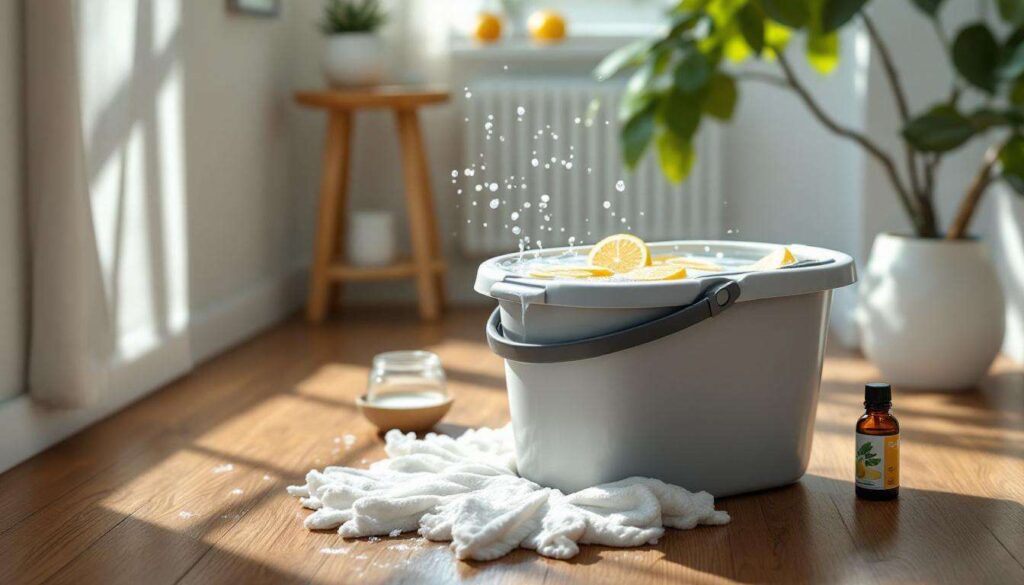
Maintaining pristine floors requires more than just water and elbow grease. Strategic additions to mop water can dramatically enhance cleaning efficacy whilst imparting pleasant aromas throughout the home. From natural ingredients found in kitchen cupboards to carefully selected commercial formulations, these eight additions transform routine floor maintenance into an opportunity for superior cleanliness and refreshing fragrance.
The benefits of baking soda
Natural deodorising properties
Baking soda stands as one of the most versatile cleaning agents available for floor care. This alkaline compound neutralises acidic odours rather than merely masking them, making it particularly effective for homes with pets or persistent cooking smells. When dissolved in warm water, sodium bicarbonate creates a gentle yet powerful cleaning solution suitable for various floor types including tile, vinyl and sealed wood.
Application methods and ratios
For optimal results, cleaning professionals recommend specific proportions when incorporating baking soda into mop water:
- Add half a cup of baking soda to a standard bucket of warm water
- Stir thoroughly until completely dissolved to prevent residue
- Combine with essential oils for enhanced aromatic benefits
- Use immediately for maximum effectiveness
| Floor type | Baking soda amount | Water volume |
|---|---|---|
| Ceramic tile | ½ cup | 5 litres |
| Vinyl flooring | ⅓ cup | 5 litres |
| Sealed hardwood | ¼ cup | 5 litres |
This economical solution not only removes grime but also leaves surfaces with a subtle freshness that lasts for hours. The gentle abrasive quality assists in lifting stubborn marks without damaging delicate floor finishes, establishing baking soda as an essential component in any cleaning arsenal. Beyond basic cleaning, this humble ingredient complements other natural additives, creating synergistic effects when paired with acidic components.
Use of essential oils
Antibacterial and aromatic advantages
Essential oils deliver dual benefits to floor cleaning routines through their antimicrobial properties and pleasant fragrances. Tea tree oil exhibits strong antibacterial characteristics, whilst lavender provides calming aromatherapeutic effects. Lemon and orange oils offer uplifting citrus notes alongside natural degreasing capabilities, making them ideal for kitchen floors where food preparation occurs.
Selection and dosage guidelines
Choosing appropriate essential oils depends on desired outcomes and household preferences:
- Lavender: promotes relaxation and combats musty odours
- Tea tree: delivers powerful antimicrobial action
- Eucalyptus: provides refreshing scent with antiviral properties
- Peppermint: creates invigorating atmosphere whilst deterring pests
- Lemon: cuts through grease with bright, clean fragrance
Experts recommend adding merely five to ten drops of essential oil per bucket of mop water. Excessive quantities can leave floors sticky or create overpowering scents. For households with pets or young children, research specific oils to ensure safety, as some varieties may cause sensitivities. Combining complementary oils creates custom blends tailored to individual preferences, transforming mundane cleaning into a sensory experience. These concentrated plant extracts work harmoniously with other natural cleaning agents, particularly those with acidic properties.
The cleaning power of lemon juice
Natural acidity for grease removal
Lemon juice contains citric acid, a natural degreasing compound that breaks down oily residues effectively. This fresh ingredient tackles kitchen floor grime where cooking oils and food particles accumulate. The acidic nature of lemon juice also helps dissolve mineral deposits and soap scum, making it particularly valuable in areas with hard water.
Preparation and application techniques
Fresh lemon juice proves more effective than bottled alternatives due to higher acid concentration and natural oils present in the fruit. To incorporate lemon juice into floor cleaning:
- Squeeze juice from two to three lemons per bucket of water
- Strain to remove pulp and seeds that might clog mop fibres
- Combine with warm water for enhanced grease-cutting action
- Test on inconspicuous areas of natural stone floors before widespread use
The refreshing citrus aroma lingers pleasantly without chemical overtones, creating an atmosphere of cleanliness throughout the home. Lemon juice also imparts a subtle shine to tile and vinyl surfaces, enhancing their appearance beyond mere cleanliness. However, caution is warranted on marble or limestone floors, as prolonged exposure to citric acid may etch these delicate surfaces. This natural ingredient pairs exceptionally well with another household staple renowned for its cleaning versatility.
Effectiveness of white vinegar
Versatile cleaning and deodorising agent
White vinegar represents one of the most economical and effective floor cleaning additions available. Its acetic acid content dissolves dirt, neutralises odours and eliminates bacteria without harsh chemicals. This clear liquid tackles various cleaning challenges from sticky residues to dull film buildup on floor surfaces.
Proper dilution ratios
Achieving optimal cleaning results requires appropriate vinegar-to-water proportions:
| Cleaning task | Vinegar amount | Water amount |
|---|---|---|
| Regular maintenance | 1 cup | 16 cups |
| Heavy soil removal | 2 cups | 14 cups |
| Light cleaning | ½ cup | 16 cups |
The distinctive vinegar scent dissipates quickly as floors dry, leaving behind a neutral, clean smell. For those sensitive to the aroma, adding essential oils such as orange or lavender masks the sharpness whilst maintaining cleaning efficacy. White vinegar proves safe for most sealed floor types but should be avoided on unsealed wood, marble and certain natural stones where acid may cause damage. This multipurpose ingredient demonstrates remarkable compatibility with commercial cleaning formulations designed for specific flooring needs.
Advantages of Marseille soap
Traditional cleaning excellence
Marseille soap, a time-honoured cleaning product, offers gentle yet thorough cleansing for various floor types. This vegetable-based soap contains no synthetic additives, making it suitable for households seeking natural cleaning alternatives. Its mild formulation protects delicate floor finishes whilst effectively removing everyday dirt and grime.
Application for floor care
Using Marseille soap requires proper dissolution to prevent residue:
- Grate approximately two tablespoons of soap into warm water
- Stir vigorously until completely dissolved
- Use immediately whilst solution remains warm
- Rinse floors with clean water if excessive suds appear
This biodegradable soap leaves no harmful residues, making it ideal for homes with crawling infants or pets who spend time on floor surfaces. The subtle, clean scent provides freshness without overwhelming fragrances. Marseille soap particularly excels on terracotta, stone and wood floors where harsh chemicals might cause deterioration. Its compatibility with other natural additives allows for customised cleaning solutions tailored to specific requirements. For those requiring stronger formulations or specialised treatments, manufactured cleaning products offer targeted solutions.
Optimising cleaning with commercial products
Specialised formulations for specific needs
Commercial floor cleaning products provide engineered solutions for particular flooring materials and cleaning challenges. Manufacturers develop formulations specifically designed for hardwood, laminate, tile or vinyl, incorporating surfactants and additives optimised for each surface type. These products often include built-in fragrance systems that provide lasting freshness beyond what natural ingredients achieve alone.
Selection criteria and usage
When choosing commercial floor cleaners, consider several factors:
- Floor material compatibility to prevent damage
- Concentration levels requiring dilution versus ready-to-use formulas
- Fragrance preferences from unscented to heavily perfumed options
- Environmental certifications for eco-conscious households
- Specific cleaning challenges such as pet odours or heavy traffic areas
Many commercial products incorporate advanced cleaning technologies such as enzyme-based formulas that break down organic matter or polymers that provide protective coatings. Following manufacturer instructions ensures optimal results whilst preventing product waste or floor damage. Some concentrated formulas offer exceptional value, with small amounts producing multiple buckets of cleaning solution. Scented dish soap represents another commercial option, combining grease-cutting power with pleasant aromas when added sparingly to mop water.
Transforming floor cleaning from tedious obligation into satisfying routine requires only simple additions to ordinary mop water. Whether selecting natural ingredients like baking soda and lemon juice or opting for specialised commercial formulations, these eight additions deliver enhanced cleanliness and inviting fragrances. Experimentation with various combinations allows discovery of personalised solutions suited to individual flooring types and household preferences, ensuring every mopping session leaves homes genuinely fresh and thoroughly clean.