



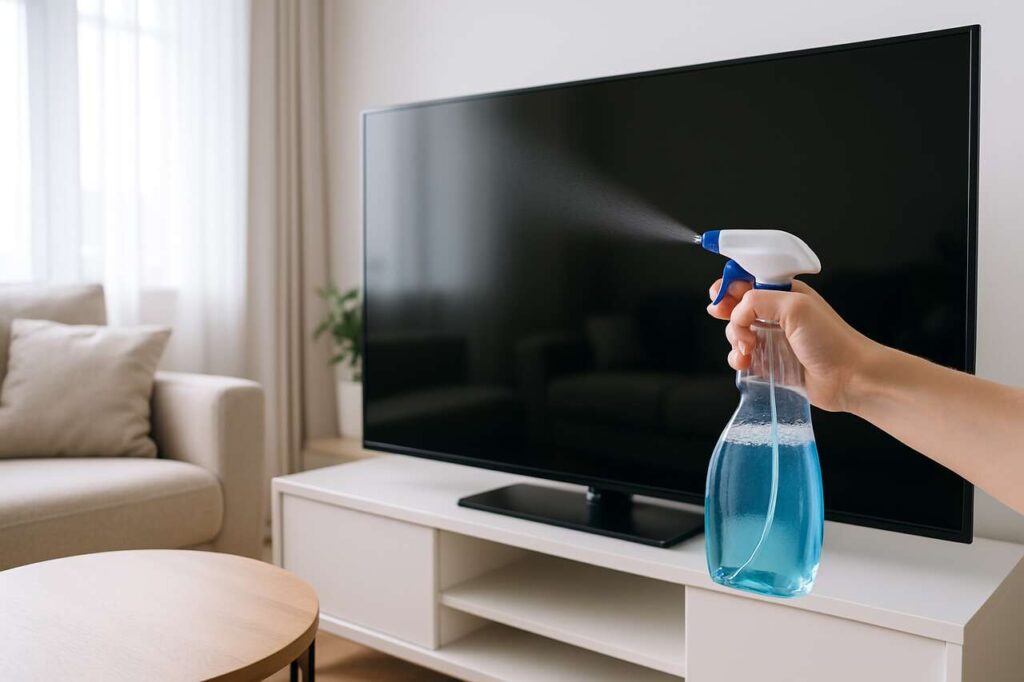
Television screens have become a central feature in most homes, serving as portals to entertainment, news, and information. As these devices see daily use, they naturally accumulate dust, fingerprints, and smudges that can detract from viewing quality. Many people instinctively reach for the same glass cleaner they use on windows and mirrors, assuming it will work equally well on their television. However, this seemingly logical approach can lead to costly damage. Modern television screens, particularly LCD and OLED displays, require specific care that differs significantly from traditional glass surfaces. Understanding the proper cleaning methods is essential to preserve both the appearance and functionality of your investment.
Why not to use glass cleaner on television screens
The composition of modern television screens
Contemporary television screens bear little resemblance to the glass surfaces found in windows or mirrors. Most modern televisions feature LCD, LED, OLED, or QLED technology, each incorporating multiple layers of sensitive materials. These screens include:
- Anti-reflective coatings that reduce glare
- Polarising filters that enhance image quality
- Protective layers designed to prevent scratches
- Specialised films that improve colour accuracy
Unlike traditional glass, these delicate surfaces are extremely vulnerable to chemical damage. The coatings applied during manufacturing serve crucial functions but can be permanently compromised by harsh cleaning agents.
Manufacturer warnings and recommendations
Television manufacturers universally advise against using standard glass cleaners on their products. Major brands explicitly state in their user manuals that glass cleaners, soap, cleaning powders, and chemicals such as alcohol, benzene, or ammonia should never be applied to television screens. These substances can cause irreversible damage that voids warranties and necessitates expensive repairs or replacement.
The consequences of ignoring these warnings can be severe, ranging from minor aesthetic issues to complete screen failure. Understanding why these products pose such risks helps explain the importance of following proper cleaning protocols.
The dangers of ammonia on screens
How ammonia affects protective coatings
Ammonia, a primary ingredient in many glass cleaners, is particularly destructive to television screens. This alkaline compound works effectively on traditional glass by breaking down grease and grime, but it acts as a corrosive agent on the specialised coatings found on modern displays. When ammonia contacts anti-reflective layers, it begins to dissolve the molecular bonds that hold these coatings together.
| Screen Component | Effect of Ammonia | Visible Damage |
|---|---|---|
| Anti-reflective coating | Chemical breakdown | Cloudy patches, rainbow effects |
| Polarising filter | Layer separation | Dark spots, uneven brightness |
| Protective film | Surface degradation | Permanent streaks, discolouration |
Long-term consequences of chemical damage
The damage caused by ammonia-based cleaners often appears gradually. Initial applications might seem harmless, but repeated exposure leads to cumulative deterioration. Users may notice:
- Persistent streaking that cannot be removed
- Dull or hazy areas across the screen
- Discoloured patches that affect image quality
- Reduced contrast and clarity
- Uneven backlighting in LED displays
Once these symptoms appear, the damage is typically permanent and cannot be reversed through further cleaning or professional intervention. The only solution often involves replacing the entire screen assembly, which can cost nearly as much as purchasing a new television.
Given these significant risks, identifying safe cleaning alternatives becomes paramount for anyone wanting to maintain their television’s pristine condition.
Safe alternatives for cleaning your television
Distilled water as the primary cleaning agent
The safest and most effective cleaning solution for television screens is remarkably simple: distilled water. Unlike tap water, which contains minerals that can leave deposits on screens, distilled water evaporates cleanly without residue. This pure liquid effectively removes most dust, fingerprints, and light smudges without posing any risk to protective coatings.
For more stubborn marks, a solution of equal parts distilled water and white vinegar can be used sparingly. However, this mixture should be applied to the cleaning cloth rather than directly onto the screen, and used only when necessary.
Microfibre cloths and their importance
The cleaning tool is just as important as the cleaning solution. Microfibre cloths are specifically designed for delicate surfaces and offer several advantages:
- Ultra-fine fibres that trap dust without scratching
- High absorbency that prevents excess moisture
- Lint-free composition that leaves no residue
- Reusability through machine washing
Paper towels, tissues, and regular cloths should be avoided entirely, as their rougher textures can create microscopic scratches that accumulate over time. Investing in quality microfibre cloths designed for electronics ensures safe, effective cleaning for years to come.
Commercial screen cleaning products
Numerous manufacturers produce cleaning solutions specifically formulated for television and monitor screens. These products are alcohol-free, ammonia-free, and pH-balanced to protect sensitive coatings whilst effectively removing contaminants. When selecting a commercial cleaner, verify that it explicitly states suitability for LCD, LED, or OLED screens.
Knowing which products are safe is only part of the equation; understanding the proper technique ensures optimal results without damage.
Steps for effective streak-free cleaning
Preparation and safety measures
Before beginning the cleaning process, proper preparation is essential. Always turn off the television and unplug it from the electrical outlet. This serves two purposes: it eliminates electrical hazards during cleaning, and the dark screen makes dirt and smudges significantly more visible. Allow the screen to cool completely if it has been in use, as cleaning a warm screen can cause moisture to evaporate too quickly, potentially leaving streaks.
The cleaning technique
Follow these steps for optimal results:
- Dust removal: gently wipe the screen with a dry microfibre cloth using light, circular motions to remove loose dust particles
- Moisture application: lightly dampen a second microfibre cloth with distilled water or screen cleaner—the cloth should be barely moist, never wet
- Gentle wiping: clean the screen using horizontal or vertical strokes rather than circular motions, applying minimal pressure
- Drying: immediately follow with a dry microfibre cloth to prevent water spots
- Frame cleaning: use the same damp cloth to clean the television’s bezel and stand
Never spray liquid directly onto the screen, as excess moisture can seep into edges and damage internal components. The cloth should carry just enough moisture to dissolve dirt without leaving visible wetness.
Even with proper cleaning technique, certain products remain dangerous and should be identified to avoid accidental use.
Household products to absolutely avoid
Chemical cleaners and solvents
Beyond glass cleaners, numerous common household products pose serious risks to television screens. Never use the following substances:
- Window cleaners containing ammonia or alcohol
- All-purpose cleaners and disinfectant sprays
- Acetone, nail polish remover, or paint thinners
- Bleach or chlorine-based products
- Furniture polish or wax
- Abrasive cleaners or scouring powders
These products contain ingredients that can strip protective coatings, discolour screens, or cause permanent clouding. Even products marketed as “gentle” or “natural” may contain oils or acids that damage sensitive surfaces.
Inappropriate cleaning tools
The implements used for cleaning are equally important. Avoid these materials entirely:
| Material | Why to Avoid | Potential Damage |
|---|---|---|
| Paper towels | Rough texture, contains wood fibres | Microscopic scratches, lint residue |
| Tissues | Disintegrates when damp | Leaves particles, potential scratching |
| Sponges | Retain contaminants, too abrasive | Scratches, uneven cleaning |
| Cotton cloths | Leave lint, insufficient absorption | Streaking, residue buildup |
Understanding what to avoid helps prevent damage, but establishing a regular maintenance routine ensures screens remain pristine with minimal effort.
Tips for maintaining your screen daily
Preventative measures
The most effective cleaning strategy involves preventing dirt accumulation in the first place. Implement these habits to reduce the frequency of deep cleaning:
- Position the television away from high-traffic areas where dust circulates
- Keep windows closed during windy conditions that introduce airborne particles
- Discourage touching the screen, especially by children
- Use air purifiers to reduce household dust
- Maintain proper humidity levels to minimise static electricity that attracts dust
Regular maintenance schedule
Establishing a consistent cleaning routine prevents buildup that requires more aggressive cleaning methods. Weekly dusting with a dry microfibre cloth removes particles before they accumulate. Monthly deeper cleaning with slightly dampened cloths addresses fingerprints and smudges. This regular attention keeps screens looking new whilst minimising the risk of damage from over-cleaning or harsh methods.
Storage and cloth care
Proper care of cleaning cloths ensures they remain effective and safe. Store microfibre cloths in clean, dust-free locations between uses. Wash them regularly according to manufacturer instructions, typically in warm water without fabric softener, which can leave residues that transfer to screens. Air-drying preserves the fibres’ integrity better than machine drying.
Keeping a dedicated set of cloths exclusively for screen cleaning prevents cross-contamination from other household cleaning tasks that might introduce harmful substances.
Modern television screens represent significant investments that require thoughtful care to maintain their quality and longevity. The temptation to use conventional glass cleaners is understandable but ultimately damaging to these sophisticated devices. By recognising the unique composition of contemporary displays, understanding the specific dangers posed by ammonia and other chemicals, and adopting safe cleaning practices using distilled water and microfibre cloths, owners can preserve their screens’ pristine condition. Regular, gentle maintenance proves far more effective than infrequent aggressive cleaning, ensuring optimal viewing quality for years whilst protecting the substantial financial investment these devices represent.