


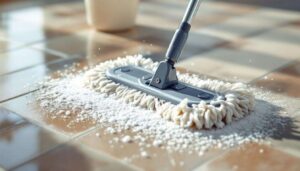

Stainless steel appliances and surfaces have become essential features in modern kitchens and bathrooms, valued for their sleek appearance and resistance to corrosion. However, maintaining their pristine condition requires regular attention, particularly when dealing with grease, fingerprints, and stubborn stains. Commercial cleaning products often contain harsh chemicals that may pose risks to both health and the environment. Creating your own cleaning solutions using simple household ingredients offers an effective, economical, and safer alternative for keeping stainless steel surfaces spotless.
The necessity of homemade stainless steel cleaners
Cost-effectiveness and accessibility
Manufacturing your own cleaning solutions provides significant financial savings compared to purchasing commercial products. The ingredients required are typically already present in most households, eliminating the need for frequent trips to the shops. A single bottle of white vinegar or a box of baking soda costs considerably less than specialised stainless steel cleaners, yet delivers comparable or superior results.
Health and environmental considerations
Many commercial cleaning products contain volatile organic compounds and synthetic fragrances that can irritate respiratory systems and skin. Homemade alternatives utilise natural ingredients that pose minimal health risks, making them particularly suitable for households with children, pets, or individuals with sensitivities. Additionally, these solutions reduce plastic packaging waste and chemical runoff into water systems.
Control over ingredients
Creating your own cleaners allows complete transparency regarding what touches your surfaces and enters your home environment. You can adjust concentrations based on the level of soiling and avoid unnecessary additives found in manufactured products. This customisation ensures optimal cleaning power whilst maintaining surface integrity.
Understanding the advantages of natural ingredients further reinforces why homemade solutions have gained popularity amongst conscientious homeowners.
The benefits of natural ingredients
Gentle yet effective cleaning properties
Natural ingredients work through chemical processes that break down grease and grime without requiring abrasive scrubbing. White vinegar contains acetic acid, which dissolves mineral deposits and cuts through fatty residues. Baking soda acts as a mild abrasive whilst also neutralising odours. Lemon juice provides citric acid that enhances cleaning power whilst leaving a fresh scent.
Non-toxic formulations
Unlike synthetic cleaners that may leave chemical residues on food preparation surfaces, natural ingredients are food-safe and biodegradable. This characteristic makes them particularly appropriate for kitchen applications where hygiene standards are paramount. The absence of harsh chemicals also prevents discolouration or etching of stainless steel finishes over time.
Multi-purpose applications
The ingredients used in homemade stainless steel cleaners serve numerous other household purposes:
- Descaling kettles and coffee makers
- Freshening drains and bins
- Removing soap scum from bathroom fixtures
- Deodorising refrigerators and carpets
- Cleaning glass and mirrors
Before applying any cleaning solution, selecting the appropriate formula based on your specific surface type ensures optimal results without risking damage.
Choosing the right cleaner based on the surface
Assessing the level of soiling
Light maintenance cleaning requires different approaches than tackling accumulated grease and burnt-on residues. For daily upkeep and fingerprint removal, a simple vinegar solution suffices. Moderate soiling benefits from baking soda’s gentle abrasive action, whilst heavily soiled areas may require the combined power of lemon and baking soda.
Identifying grain direction
Stainless steel features a directional grain similar to wood. Cleaning along this grain prevents streaking and maintains the surface’s uniform appearance. Always examine your appliance or fixture before cleaning to determine the grain pattern, which typically runs horizontally on appliances and vertically on sinks.
Surface finish considerations
| Finish Type | Recommended Cleaner | Application Method |
|---|---|---|
| Brushed/Satin | Vinegar solution | Spray and wipe with grain |
| Mirror/Polished | Baking soda paste | Gentle circular motions |
| Textured | Lemon-soda combination | Apply, wait, then scrub softly |
Armed with this knowledge, you can now prepare the first expert-recommended cleaning solution using vinegar.
Recipe 1: cleaning with white vinegar
Ingredients and preparation
This straightforward formula requires only two components: distilled white vinegar and water. Combine equal parts of each in a clean spray bottle, creating a solution that effectively breaks down grease whilst remaining gentle on stainless steel surfaces. For enhanced cleaning power on particularly stubborn residues, slightly increase the vinegar proportion to a 60:40 ratio.
Application technique
Spray the vinegar solution generously onto the stainless steel surface, ensuring complete coverage of soiled areas. Allow the solution to sit for two to three minutes, giving the acetic acid time to penetrate and dissolve grease. Using a microfibre cloth, wipe in the direction of the grain using firm but gentle pressure. For optimal results, follow with a dry cloth to prevent water spots and achieve a streak-free shine.
Safety precautions
Whilst vinegar is generally safe, wearing protective gloves prevents skin irritation during extended cleaning sessions. Ensure adequate ventilation to disperse the vinegar odour, which dissipates quickly once surfaces dry. Never mix vinegar with bleach or hydrogen peroxide, as these combinations produce harmful fumes.
For situations requiring more intensive cleaning power, particularly on textured surfaces or baked-on grime, baking soda offers an effective alternative approach.
Recipe 2: degreasing with baking soda
Creating the paste
Mix three tablespoons of baking soda with enough water to form a thick, spreadable paste. The consistency should resemble toothpaste, allowing it to adhere to vertical surfaces without dripping. For enhanced degreasing properties, substitute water with a small amount of washing-up liquid, creating a more powerful formula for kitchen appliances.
Application process
Apply the paste directly to greasy or stained areas using a soft cloth or sponge. Gently rub in circular motions, allowing the mild abrasive properties of baking soda to lift stubborn residues without scratching the surface. For particularly challenging stains, let the paste sit for five to ten minutes before scrubbing. Rinse thoroughly with warm water and dry immediately with a clean microfibre cloth to prevent mineral deposits.
Advantages for specific applications
Baking soda paste excels at removing:
- Burnt food residues from cooker tops
- Water stains around sink areas
- Adhesive residue from labels
- Discolouration from heat exposure
- Accumulated grime in crevices
Combining baking soda with lemon juice creates an even more potent cleaning solution that tackles the most challenging stainless steel maintenance tasks.
Recipe 3: lemon and baking soda combination for optimal results
Synergistic cleaning power
The combination of lemon’s citric acid and baking soda’s alkaline properties creates a chemical reaction that enhances cleaning effectiveness. Mix two tablespoons of baking soda with the juice of one fresh lemon, creating a fizzing paste that penetrates deep into grease and grime. This reaction also provides gentle bleaching action, restoring brightness to dulled stainless steel surfaces.
Detailed application method
Apply the lemon-soda mixture to affected areas using a soft sponge, working it into the surface with gentle circular motions. The natural acidity breaks down grease whilst the baking soda provides mild abrasion. Allow the mixture to work for five minutes on heavily soiled areas, then rinse thoroughly with warm water. Buff dry with a microfibre cloth, following the grain direction to achieve maximum shine.
Additional benefits
Beyond superior cleaning capabilities, this combination offers pleasant aromatherapy benefits through lemon’s fresh scent. The natural antibacterial properties of lemon juice also provide sanitation, making this formula particularly suitable for food preparation surfaces. Regular use prevents grease build-up and maintains the protective chromium oxide layer that gives stainless steel its corrosion resistance.
These three expert-approved methods provide comprehensive solutions for maintaining stainless steel surfaces throughout your home. Regular application of these natural cleaners preserves the aesthetic appeal and longevity of your appliances whilst avoiding the health and environmental concerns associated with commercial products. By selecting the appropriate formula based on soiling level and surface type, you can achieve professional-quality results using simple household ingredients. The cost savings, safety advantages, and cleaning effectiveness of these homemade solutions make them superior alternatives to manufactured cleaners for conscientious homeowners seeking sustainable maintenance practices.