



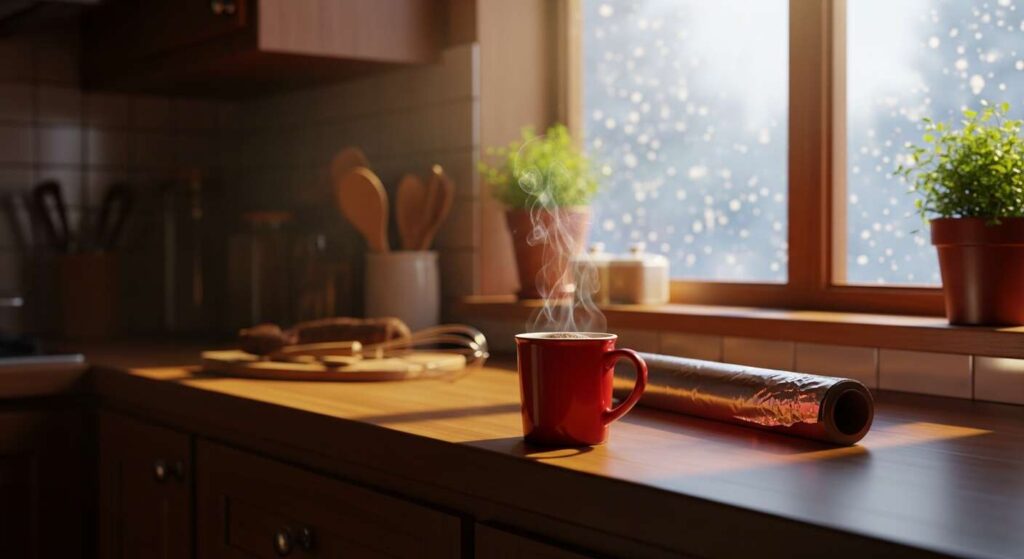
Winter brings with it a host of challenges, from soaring heating bills to frozen car parts and damp boots. Whilst many households reach for expensive solutions, there’s a remarkably versatile material already sitting in most kitchen drawers: aluminium foil. This humble household staple offers an array of practical applications that can help tackle seasonal problems without breaking the bank. From improving home insulation to protecting outdoor equipment, these clever uses demonstrate how a simple roll of foil can become an indispensable winter ally.
Window insulation: saving on heating
Creating a thermal barrier with reflective foil
One of the most effective ways to reduce heat loss during winter is by using aluminium foil as window insulation. When applied correctly, foil creates a reflective barrier that bounces radiant heat back into the room rather than allowing it to escape through the glass. This method works particularly well on single-glazed windows or older properties where draught-proofing may be inadequate.
To implement this hack, measure your window panes and cut sheets of aluminium foil to size. The shiny side should face inward towards the room to maximise heat reflection. Attach the foil using double-sided tape around the edges, ensuring a snug fit against the glass. For added insulation, leave a small air gap between the foil and the window by using cardboard spacers.
Quantifiable energy savings
| Window type | Heat loss reduction | Estimated monthly saving |
|---|---|---|
| Single-glazed | Up to 30% | £15-25 |
| Older double-glazed | Up to 15% | £8-12 |
This simple modification can make a noticeable difference to both comfort levels and energy bills throughout the colder months. Beyond windows, this reflective principle can be applied to other areas of the home where heat efficiency matters.
Enhancing radiator efficiency
Reflecting heat back into living spaces
Radiators positioned against external walls often waste significant amounts of heat as warmth escapes through the wall itself. By placing aluminium foil panels behind radiators, homeowners can redirect this heat back into the room. The foil acts as a mirror for thermal radiation, preventing warmth from being absorbed by cold exterior walls.
Creating a radiator reflector requires only basic materials:
- Heavy-duty aluminium foil or foil-backed insulation board
- Cardboard backing for rigidity
- Adhesive tape or hook-and-loop fasteners
- Scissors or craft knife for cutting to size
Installation and positioning tips
Cut the foil or insulation board to match the dimensions of your radiator, ensuring it covers the entire area behind the heating element. The reflective surface must face outward towards the room. Secure the panel to the wall using removable adhesive strips, maintaining a small gap between the radiator and the reflector to allow proper air circulation. This gap prevents overheating whilst still capturing and redirecting radiant heat.
Tests have shown that this modification can improve radiator efficiency by approximately 10-15%, translating to warmer rooms and reduced thermostat settings. The technique proves especially valuable in older homes with solid walls where heat loss through external surfaces is most pronounced. With radiators working more effectively, attention can turn to protecting other vulnerable areas from winter’s harsh conditions.
Protecting frozen door handles
Preventing ice formation on vehicle and outdoor fixtures
Frozen door handles represent one of winter’s most frustrating inconveniences, whether on cars, sheds, or garage doors. Wrapping handles in aluminium foil overnight provides a simple yet effective preventative measure. The foil creates a barrier that reduces moisture contact whilst reflecting any residual heat from the mechanism, making ice formation far less likely.
For car door handles specifically, wrap the entire handle assembly with a double layer of foil before frost is forecast. Secure the edges with elastic bands or tape to prevent the foil from blowing away during windy conditions. The minimal thermal conductivity of the air gap between foil layers provides additional insulation against plummeting temperatures.
Additional applications for outdoor metalwork
- Gate latches and padlocks
- Bicycle locks and chains
- Outdoor tap handles
- Wheelie bin handles
- Garden tool shed fixtures
This protective wrapping takes mere seconds to apply yet saves considerable time and frustration on frosty mornings. The technique works equally well on any exposed metal fixtures prone to freezing, extending its usefulness throughout the property. Just as outdoor metalwork benefits from protection, indoor items also require special attention during damp winter months.
Preventing moisture in boots
Accelerating drying time with reflective inserts
Wet boots and shoes pose a persistent problem during winter, with dampness leading to unpleasant odours and potential material damage. Aluminium foil balls placed inside wet footwear can significantly speed up the drying process. Crumple sheets of foil into loose balls and insert them into damp boots, where they absorb moisture whilst allowing air circulation around the wadded structure.
The foil’s reflective properties also work when boots are placed near heat sources. Position stuffed boots approximately one metre from a radiator, and the foil helps distribute warmth more evenly throughout the interior. This prevents the leather or fabric from drying too quickly in localised areas, which can cause cracking or warping.
Creating boot shapers to maintain form
Beyond moisture management, aluminium foil can be moulded into custom boot shapers that prevent creasing and maintain the proper shape during storage. Form thick sheets of foil around a template such as a rolled magazine or plastic bottle, creating a support structure that fits snugly inside the boot shaft. These homemade shapers cost virtually nothing compared to commercial alternatives whilst performing the same function.
For particularly wet conditions, combine the foil technique with newspaper for maximum absorption. Layer crumpled newspaper inside the boot first, then add foil balls on top. Replace both materials every few hours until the footwear is completely dry. With footwear properly maintained, focus can shift to improving the overall ambience of indoor spaces during the darker winter months.
Strengthening indoor brightness
Maximising natural light with reflective surfaces
Winter’s shortened daylight hours and frequently overcast skies can make homes feel dim and gloomy. Strategically positioned aluminium foil panels can amplify available natural light, brightening rooms without increasing electricity consumption. Place foil-covered boards near windows at angles that catch incoming sunlight and reflect it deeper into the room.
For indoor plants struggling with reduced winter light, construct a simple reflective box using cardboard lined with aluminium foil. Position plants inside this arrangement near a window, and the foil surfaces will bounce light from multiple angles, providing more comprehensive illumination than direct window placement alone. This technique proves particularly valuable for light-hungry species during the dormant season.
Enhancing artificial lighting efficiency
The same reflective principles apply to artificial light sources. Create lampshade liners from aluminium foil to direct more light downward or outward, depending on the fixture type. For desk lamps and reading lights, a foil backing concentrates illumination onto work surfaces, reducing the wattage needed for adequate visibility.
| Application | Light increase | Energy saving potential |
|---|---|---|
| Window reflector panels | 25-40% | Reduced daytime lighting needs |
| Plant growing boxes | 50-70% | Lower supplemental lighting costs |
| Lamp reflector liners | 15-25% | Use lower wattage bulbs |
These brightness-enhancing applications demonstrate how aluminium foil can improve winter living conditions through better light management. Once foil has served its primary purpose, creative reuse extends its value even further.
Clever reuse of used sheets
Extending the life of kitchen foil
Even after aluminium foil has been used for food preparation or storage, it often retains usefulness for non-food applications. Lightly used sheets can be smoothed out and repurposed for many of the winter hacks already discussed, from window insulation to radiator reflectors. This approach maximises value whilst reducing household waste.
Practical secondary uses for previously used foil include:
- Scrubbing pads for cleaning stubborn grill residue or baked-on food
- Funnel creation for transferring liquids or powders
- Protecting surfaces during painting or craft projects
- Sharpening scissors by cutting through folded layers
- Makeshift drip trays under plant pots or cleaning products
Recycling considerations and environmental impact
Whilst reusing foil multiple times offers economic and environmental benefits, eventually it will need proper disposal. Clean aluminium foil can be recycled in most local authority schemes, though it’s worth checking specific guidelines. Heavily soiled foil contaminated with food waste may not be accepted and should be disposed of with general waste.
To maximise recyclability, rinse used foil when possible and combine smaller pieces into a ball approximately the size of a tennis ball. This prevents lightweight fragments from being lost during the sorting process at recycling facilities. By thoughtfully reusing and eventually recycling aluminium foil, households can minimise their environmental footprint whilst benefiting from its versatile winter applications.
These twelve aluminium foil hacks demonstrate how an inexpensive household item can address numerous winter challenges. From reducing heating costs through improved insulation to protecting vehicles from frost and enhancing indoor lighting, foil proves remarkably adaptable. The techniques require minimal investment yet deliver tangible benefits in comfort, convenience, and cost savings. By incorporating even a few of these approaches, households can navigate winter’s difficulties more effectively whilst making the most of resources already at hand. The versatility of aluminium foil transforms it from a simple kitchen accessory into a genuine winter essential.